The downside of machine learning in health care
Assistant Professor Marzyeh Ghassemi explores how hidden biases in medical data could compromise artificial intelligence approaches.
Assistant Professor Marzyeh Ghassemi explores how hidden biases in medical data could compromise artificial intelligence approaches.
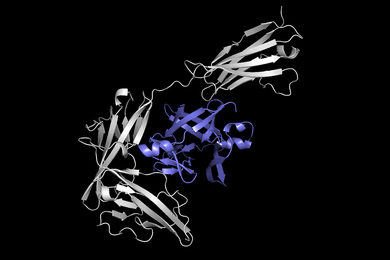
The machine-learning model could help scientists speed the development of new medicines.

MIT scientist Rosalind Picard collaborates with clinicians to develop tools for mental health care delivery.
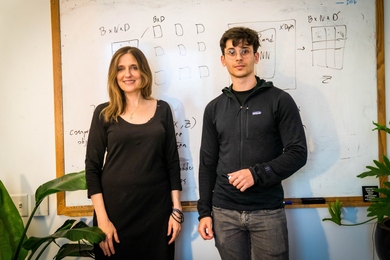
Scientists demonstrate that AI-risk models, paired with AI-designed screening policies, can offer significant and equitable improvements to cancer screening.

Researchers have created a method to help workers collaborate with artificial intelligence systems.
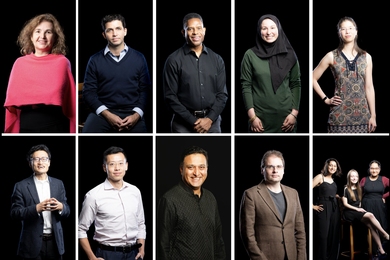
MIT scientists discuss the future of AI with applications across many sectors, as a tool that can be both beneficial and harmful.
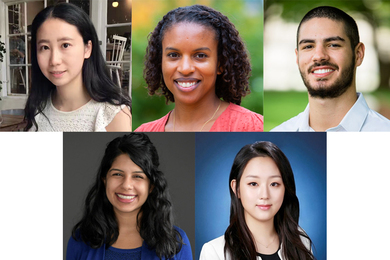
The 2021-22 Accenture Fellows are bolstering research and igniting ideas to help transform global business.
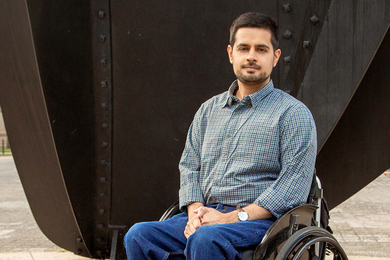
HASTS PhD student Rijul Kochhar tracks changing medical and microbial realities, and examines what they portend for society.
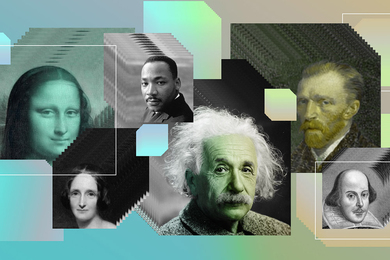
Researchers encourage positive use cases of AI-generated characters for education and well-being.
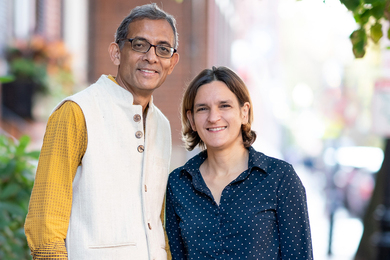
In 14.009, a first-year class taught by Nobel laureates, MIT students discover how economics helps solve major societal problems.

SENSE.nano symposium highlights the importance of sensing technologies in medical studies.

The system could help physicians select the least risky treatments in urgent situations, such as treating sepsis.
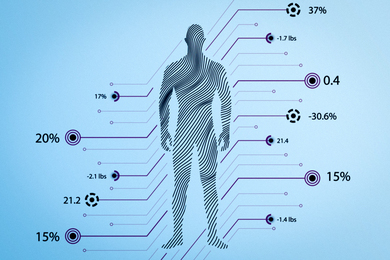
MIT spinoff Fitnescity makes it easier for users to schedule health tests, work with physicians, and interpret results.
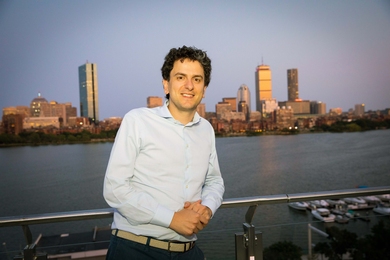
Nikos Trichakis applies the tools of operations research to a wide range of problems, from medicine to corporate finance.
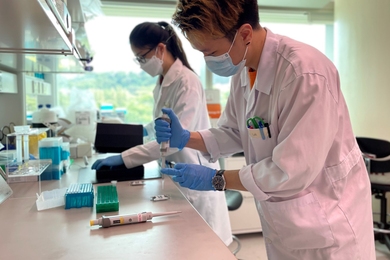
Paper-based blood test developed by SMART researchers can rapidly determine the presence of SARS-CoV-2 neutralizing antibodies.