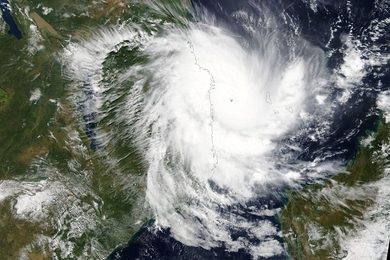
Study: For low-income countries, climate action pays off by 2050
Economic benefits of mitigation arrive much sooner than previously thought.
Economic benefits of mitigation arrive much sooner than previously thought.
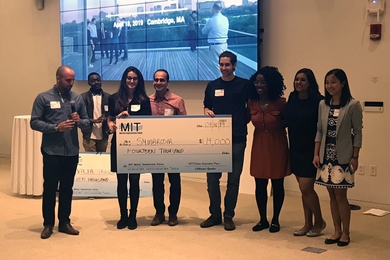
Student-led startups Symbrosia and SiPure each awarded a $14,000 grand prize.

Climate-driven changes in phytoplankton communities will intensify the blue and green regions of the world’s oceans.

Faculty in the Department of Mechanical Engineering are developing technologies that store, capture, convert, and minimize greenhouse gas emissions.
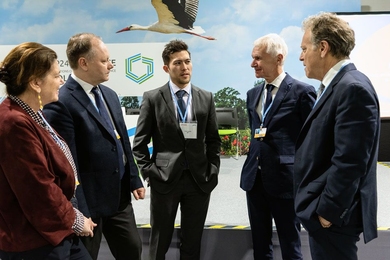
At UN Climate Change Conference, MIT researchers share knowledge and tools to help nations meet Paris Agreement targets.

Two new MIT reports advance practical emissions-reduction strategies for Southeast Asia and Latin America at both the regional and country level.
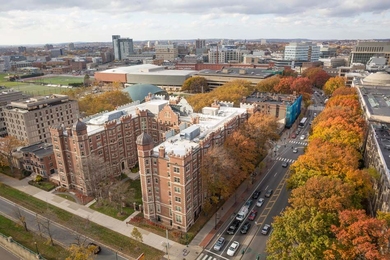
New generating plant, building retrofits, and progress in metering energy use represent ongoing gains.
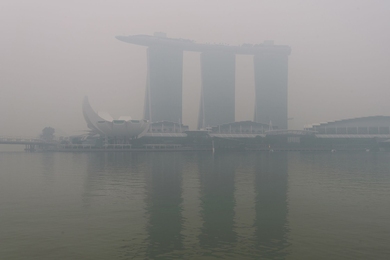
Radiocarbon measurements provide evidence that the origin of the haze over Sumatra's neighbors is peat, not deforestation and waste burning as many believed.

MIT Joint Program on the Science and Policy of Global Change workshop explores risks and opportunities for the agriculture sector.

The AGAGE network celebrates 40 years of measuring ozone-depleting and climate-warming gases.
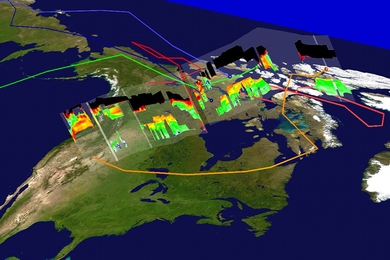
A faster, cheaper modeling method could improve our understanding of long-term atmospheric chemistry and provide a powerful tool for risk assessment.

MIT report highlights challenges and opportunities for conserving natural resources and stabilizing the climate.

Taking a page from green plants, new polymer “grows” through a chemical reaction with carbon dioxide.