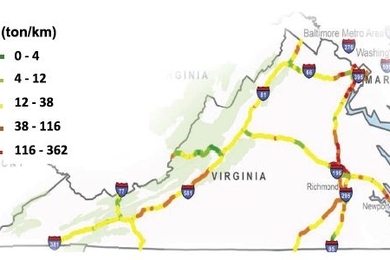
Microbial engineering technique could reduce contamination in biofermentation plants
Approach could lower cost and eliminate need for antibiotics during biofuel production.
Approach could lower cost and eliminate need for antibiotics during biofuel production.

Linking emissions trading systems in developed and developing countries could yield environmental, economic benefits.
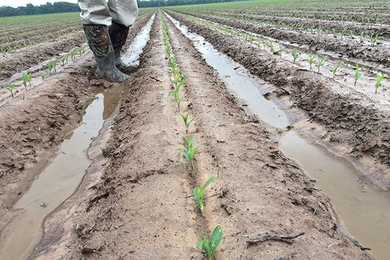
New approach tracks key factors affecting crop yields, enabling early adaptation.
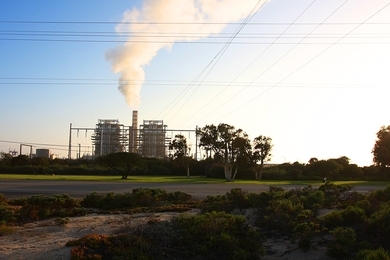
Aerosol emissions would slow warming but suppress rainfall.

MIT study projects end-of-century climate under different scenarios.

MIT Energy Initiative report provides recommendations for reductions in light-duty vehicle energy use and greenhouse gas emissions.
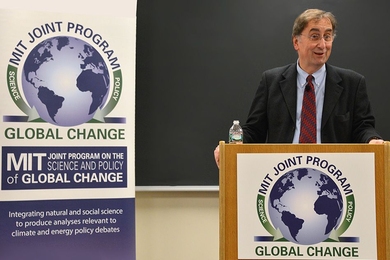
Top U.N. climate advisor highlights successes in Paris, challenges ahead.
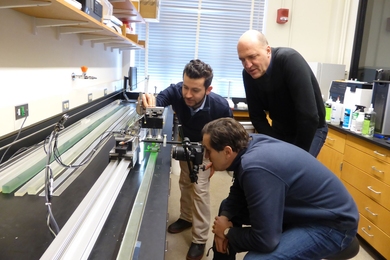
Research aims to encourage decision makers to think of infrastructure as part of the solution in a carbon constrained environment.
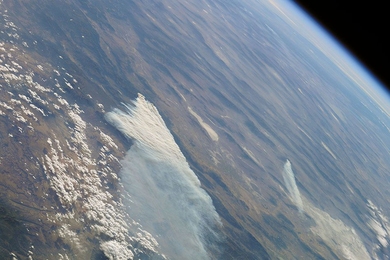
Study finds human-made aerosols exert strong influence on the geography of precipitation.
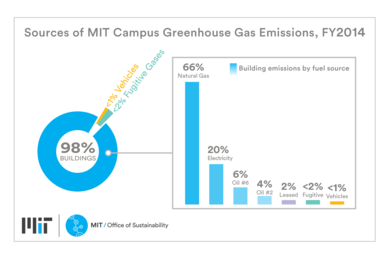

Study estimates the annual carbon sequestration rate in protected areas such as rainforests will decline by about 40 percent between now and 2100.
"2015 Energy and Climate Outlook" sees international COP21 climate conference as progress, with more work ahead.

Panel of MIT experts explores the promise and perils of a global agreement.

Startup’s sensors measure soot and ash buildup in filters to help engines burn more efficiently.