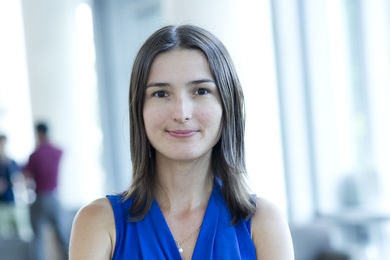
The aftermath of violence
Investigating the political and economic consequences of large-scale deadly conflict, Volha Charnysh discovers that community-level interactions make a big impact.
Investigating the political and economic consequences of large-scale deadly conflict, Volha Charnysh discovers that community-level interactions make a big impact.
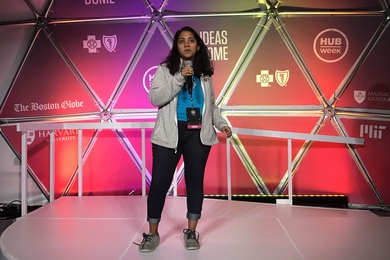
Citizens and data scientists produce actionable recommendations for high-priority Boston-area issues at Institute for Data, Systems, and Society student-run event.
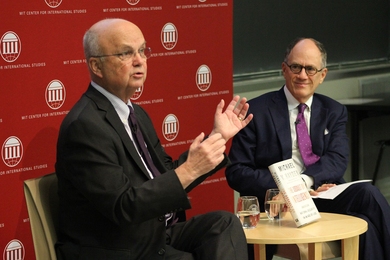
In MIT visit, former CIA and NSA director Michael Hayden describes current difficulties faced by society and U.S. intelligence services.
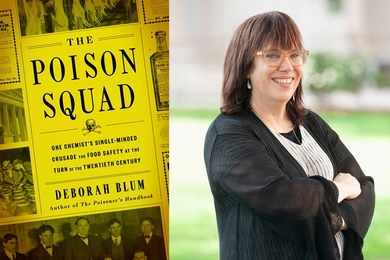
Deborah Blum’s new book explores the unlikely origins of food and drink regulation in the U.S.
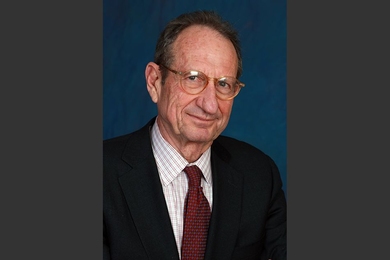
Gift honors emeritus Institute Professor’s respect for MIT and its community.
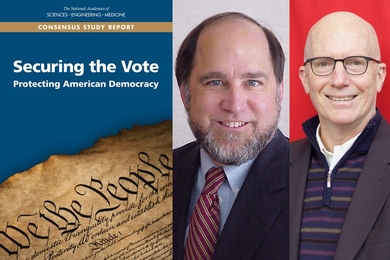
MIT experts are among co-authors calling for ballot paper trails and other resilient practices to avoid election hacking.
![MIT political scientist In Song Kim has overseen the launch of LobbyView.org, a website that connects the activities of lobbyists, firms, and politicians, so that people “can understand how legislative politics [actually] works in the U.S.,” as Kim puts it.](/sites/default/files/styles/term_page__news_article/public/images/201809/MIT-3Q-Lobbying-01.jpg?itok=hpZLX6vU)
Launch of In Song Kim’s LobbyView.org makes it simple to follow the path of money in politics.
New partners will work with J-PAL and its academic researcher network to develop randomized evaluations of programs and policies.
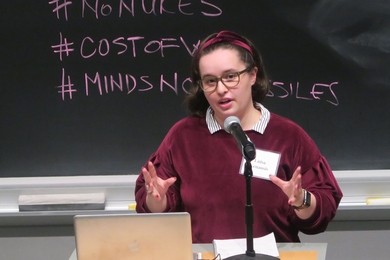
Alumna builds on her foundation in nuclear policy through a Herbert Scoville Jr. Peace Fellowship.
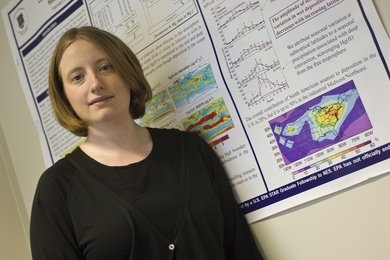
Selin will spearhead the master's program for students whose research addresses societal challenges at the intersection of technology and policy.
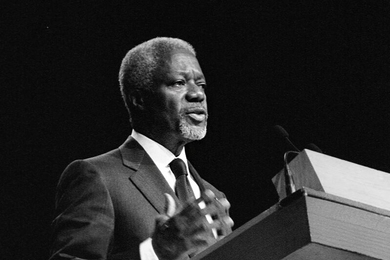
In 2002 MIT Sloan speech, the former UN head talked trust, responsibility, and big business.
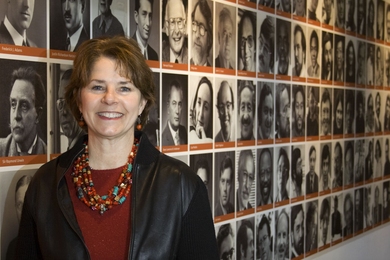
Corporations and nonprofits are applying the popular MIT online tool to shape policy and set wages.

An updated Elections Performance Index from the MIT Election Data and Science Lab evaluates the 2016 election.

Doctoral student Ryan Hill studies factors that influence researchers’ professional paths, while lending his voice to support student families.
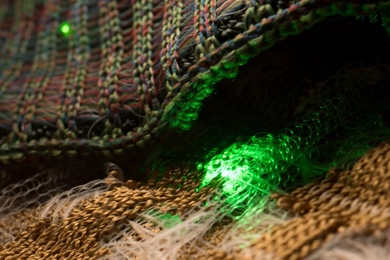
Researchers incorporate optoelectronic diodes into fibers and weave them into washable fabrics.