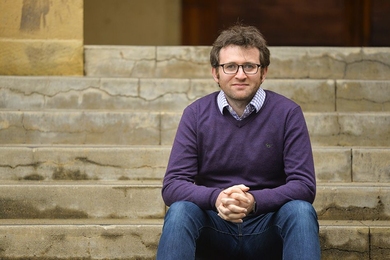
A deep dive into the effects of trade
MIT economist David Atkin looks beneath the surface of global commerce.
MIT economist David Atkin looks beneath the surface of global commerce.

Continuous-flow chemistry device used for drug production could find use in long-duration space missions.

Partnership between the Division of Student Life, undergrads, and grad students that enables guest swipe donations draws 673 donated meals in its first week.

Strain of intestinal bacteria can stop a high-salt diet from inducing inflammatory response linked to hypertension.
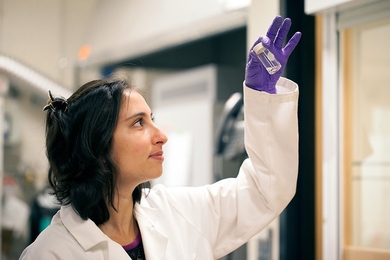
Condensation-based method developed at MIT could create stable nanoscale emulsions.
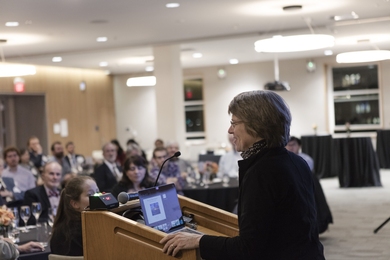
New Research Reception gives alumni and the community an inside look at research and initiatives in Department of Civil and Environmental Engineering.
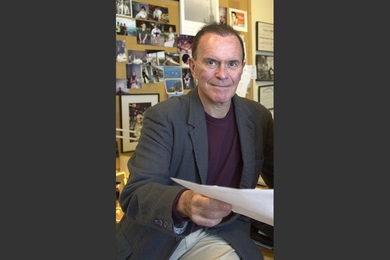
Studies by Richard Wurtman have led to development of nutrient mix shown to slow cognitive impairment in early stages of the disease.
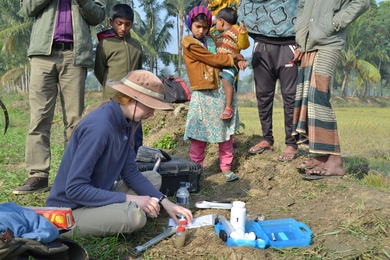
MIT field study shows that arsenic in groundwater reduces rice yields in Bangladesh.
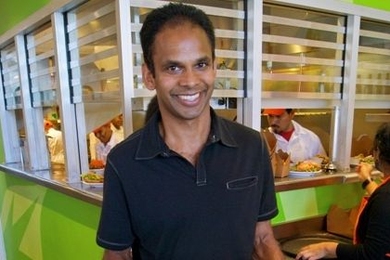
T.K. Pillan ’90 created Veggie Grill, a completely plant-based, fast-casual eatery that is now the largest vegan and vegetarian restaurant company in the U.S.

The Department of Civil and Environmental Engineering welcomes plant ecologist Dave Des Marais to the MIT faculty.
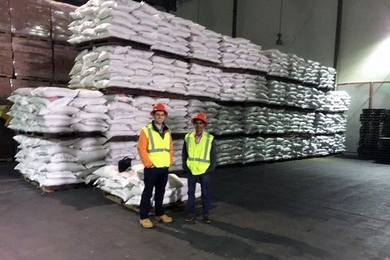
Research from MIT's CITE program leverages a procurement process to identify opportunities for improving food aid supply chains.
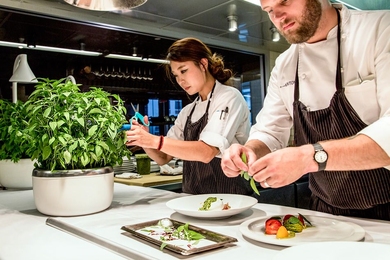
Smart, soil-free microgarden lets users optimize growing conditions while cutting water and resource use.
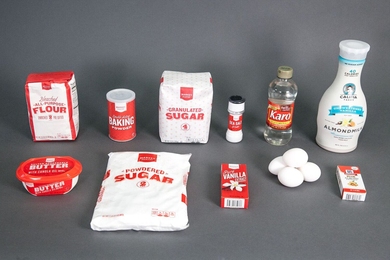
Given a still image of a dish filled with food, CSAIL team's deep-learning algorithm recommends ingredients and recipes.

By 2050, the Southwest will produce significantly less cotton and forage, researchers report.
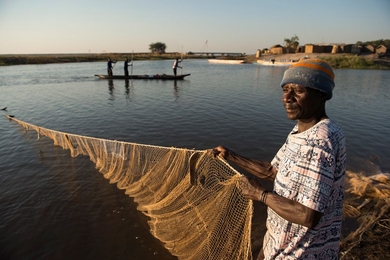
Involving local farmers in tackling a problem can provide long-lasting benefits.