
Speeding up directed evolution of molecules in the lab
Using a new robotic platform, researchers can simultaneously track hundreds of microbial populations as they evolve new proteins or other molecules.
Using a new robotic platform, researchers can simultaneously track hundreds of microbial populations as they evolve new proteins or other molecules.
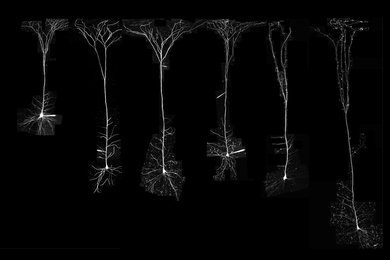
Human neurons have fewer ion channels, which might have allowed the human brain to divert energy to other neural processes.

In the Hoyt C. Hottel Lecture, Arnold tells the story of her pathbreaking research to engineer better enzymes for critical applications.
Fossils indicate a communal nesting ground and adults who foraged and took care of the young as a herd, scientists say.
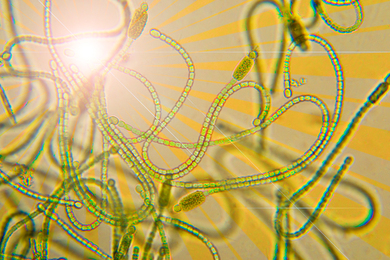
A new study shows oxygenic photosynthesis likely evolved between 3.4 and 2.9 billion years ago.

Undergraduate in electrical engineering and computer science contributes to startling new astronomy research.
Geological evidence suggests the known dinosaur groups diverged early on, supporting the traditional dinosaur family tree.

Meet Professor David Rand, a one-time punk rock guitarist who now digs into psychology, cooperation, and politics.
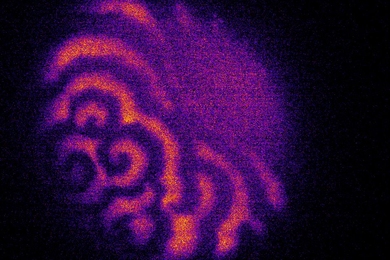
Study shows ripples across a newly fertilized egg are similar to other systems, from ocean and atmospheric circulations to quantum fluids.

Plate tectonics and mantle plumes set the lifespan of volcanic islands like Hawaii and the Galapagos.
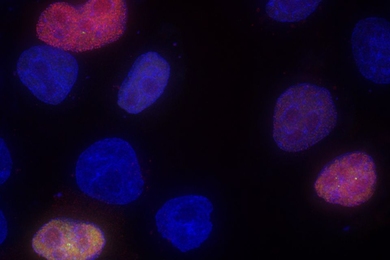
Biologists uncover an evolutionary trick to control gene expression that reverses the flow of genetic information from RNA splicing back to transcription.

Scientists reveal the genes and proteins controlling the chemical structures underpinning paleoclimate proxies.
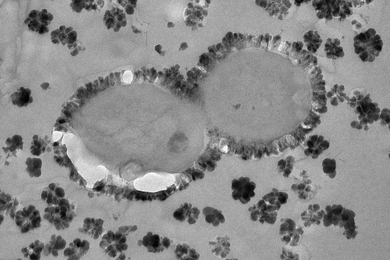
EAPS scientists find an alternative explanation for mineral evidence thought to signal the presence of oxygen prior to the Great Oxidation Event.
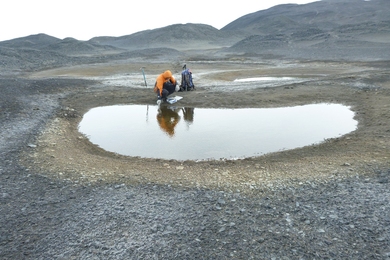
The Summons Lab compares lipids from Antarctic microbial communities to century-old samples.
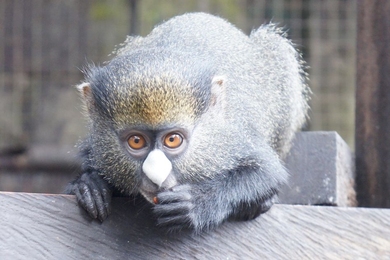
Study shows Old World monkeys combine items in speech — but only two and never more, unlike humans.