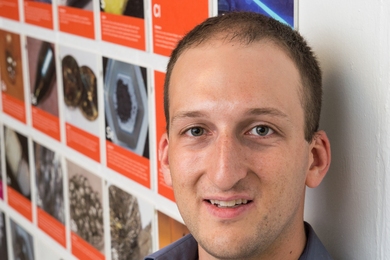
Funneling the sun’s energy
MIT engineers propose a new way of harnessing photons for electricity, with the potential for capturing a wider spectrum of solar energy.
MIT engineers propose a new way of harnessing photons for electricity, with the potential for capturing a wider spectrum of solar energy.
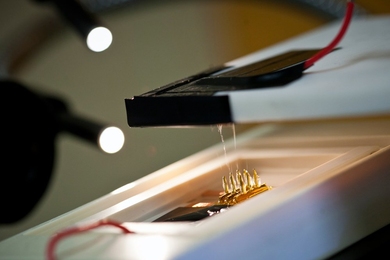
Nanofibers have a dizzying range of possible applications, but they’ve been prohibitively expensive to make. MIT researchers hope to change that.

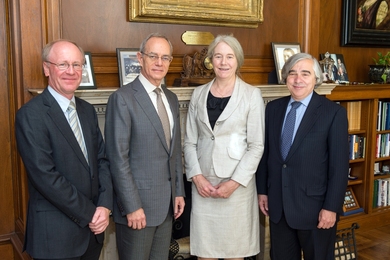
Company to provide $5 million a year to support continued energy-related research activities at the Massachusetts Institute of Technology
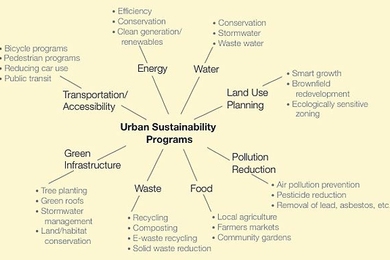
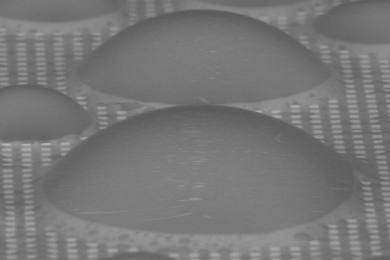
MIT researchers find that lubricated, nanotextured surfaces improved performance of condensers in power and desalination plants.
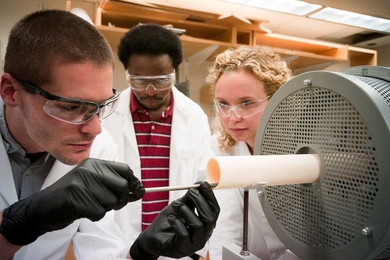
More MechE students choose to design their own education.
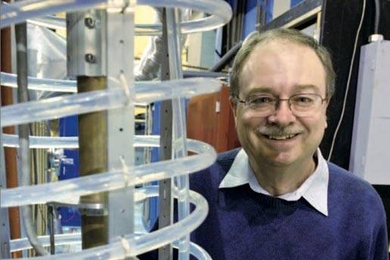

Tibetan Buddhist leader urges a more enlightened view of self-interest in remarks at MIT conference.

Architect Christoph Reinhart studies how buildings — and whole communities — can use daylight to become more energy-efficient.
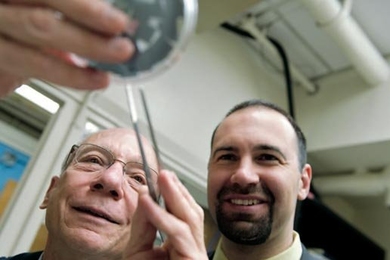

Representatives of Obama, Romney camps lay out differences in crucial policy domains of energy and the environment.
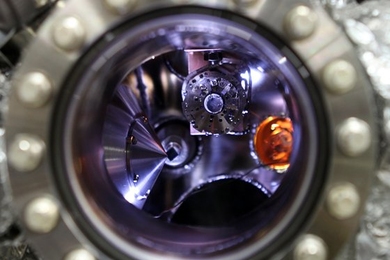
Fundamental reactions behind advanced battery technology, revealed in detail by advanced imaging method, could lead to improved materials.

Public launch for project taking place Oct. 3