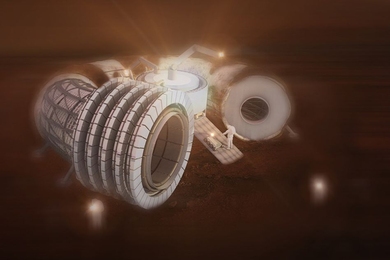
Interplanetary architecture
Faculty and students grapple with 3-D printing a habitable structure on Mars.
Download RSS feed: News Articles / In the Media / Audio
Faculty and students grapple with 3-D printing a habitable structure on Mars.
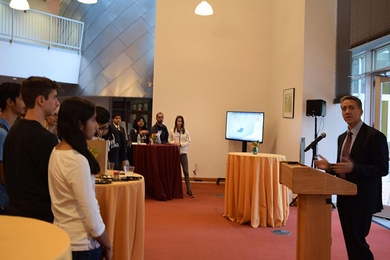
Yearlong “Super” Undergraduate Research Opportunities Program expands beyond electrical engineering and computer science.
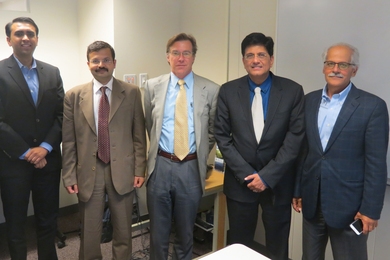
Minister Piyush Goyal meets with MIT Energy Initiative and Tata Center leadership, says of India’s electrification goals: “We will make it happen.”
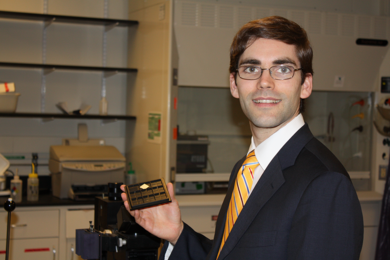
Materials Day, Oct. 14, presents insights into the next generation of extremely thin, tough quantum materials for sensing, energy. and computing devices.
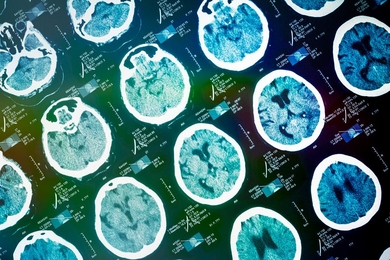
Combining MRI and other data helps machine-learning systems predict effects of neurodegenerative disease.
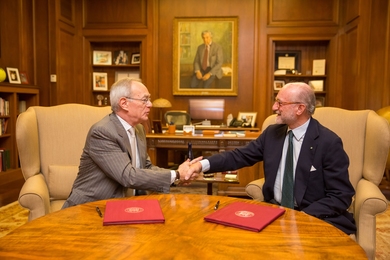
Agreement will support a number of joint research projects, seminars, lectures, and other programming.
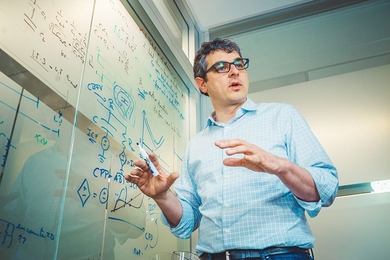
MIT researchers team up with Boston Medical Center and Philips to test a noninvasive way to measure intracranial pressure.
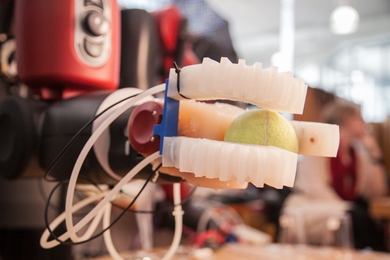
Team from Computer Science and Artificial Intelligence Lab develops silicone rubber gripper and advanced object-identification algorithms.

System learns to play text-based computer game using only linguistic information.

Engineered viruses could combat human disease and improve food safety.
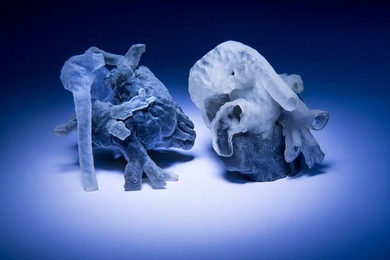
System can convert MRI scans into 3D-printed, physical models in a few hours.
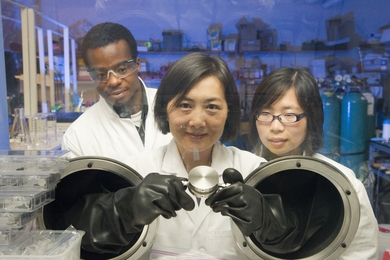
MIT Solar Day brings the MIT community together to preview the coming decades of solar energy innovation.
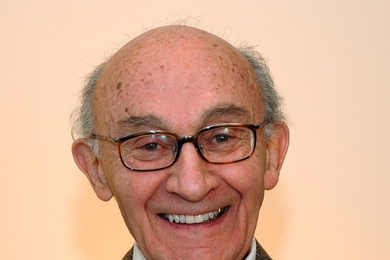
Bers, a longtime member of the MIT community, was expert in plasma physics.
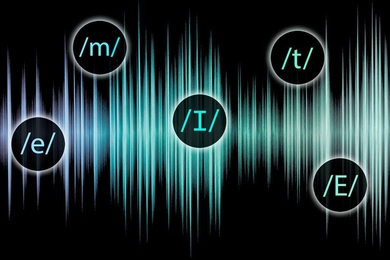
System learns to distinguish words’ phonetic components, without human annotation of training data.

More efficient memory-management scheme could help enable chips with thousands of cores.