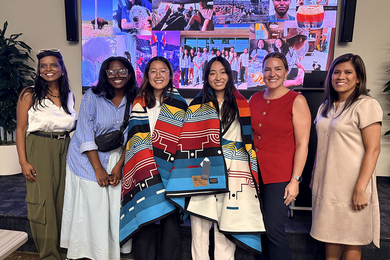
MIT students gain a humanist lens on technical innovation in Tulsa, Oklahoma
The PKG Center for Social Impact expands Code.Tulsa experiential learning program.
The PKG Center for Social Impact expands Code.Tulsa experiential learning program.
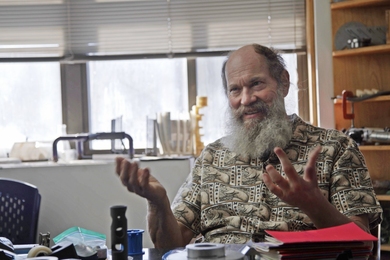
Precision, repeatability, and fun are the focus in mechanical engineering course 2.70 (Fundamentals of Precision Product Design).
The Institute’s undergraduate engineering, computer science, and economics programs are No. 1; its business program is No. 2.
A new focus on fiction and memoir aims to help the MIT community celebrate the power of storytelling and strengthen social connection.
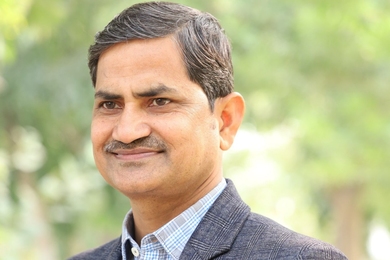
Using knowledge gained from MIT’s free learning materials, an educator in rural India builds apps to reach students who can’t make it to school.
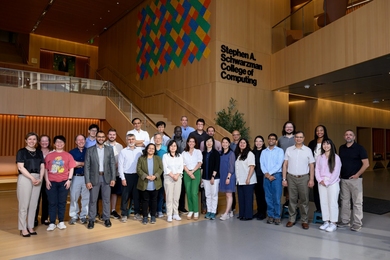
A weeklong summer workshop brought higher education faculty to campus to explore how AI and machine learning materials can be adapted for their classrooms.
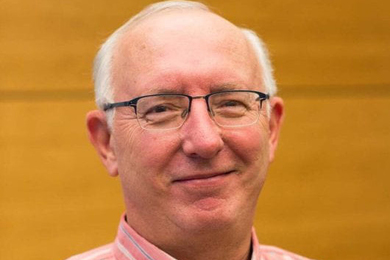
The senior lecturer, already director of the degree program, will now oversee all aspects of the center’s activities and operations.
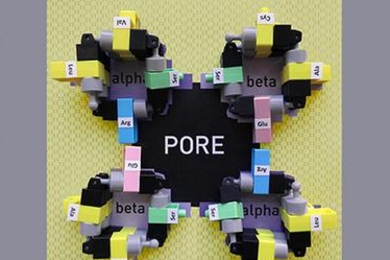
Using a modular kit, the MIT Edgerton Center is bringing a hands-on biology curriculum to Massachusetts’ second-largest school district.
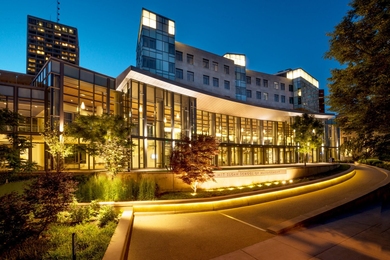
Dean Richard Locke discusses a new program that expands access for working professionals while deepening connections to Greater Boston’s innovation economy.
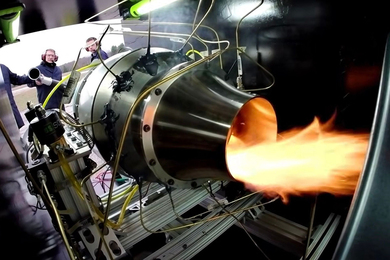
MIT students designed, built, and tested a jet engine with AI copilots, assessing AI’s usefulness in developing high-performance aerospace systems.
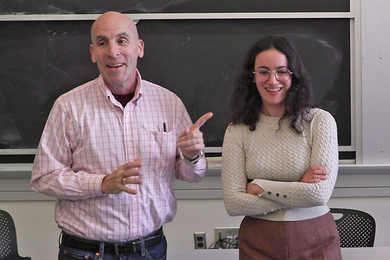
An MIT mechanical engineering course explores entrepreneurship through lessons and stories shared by alumni startup founders.
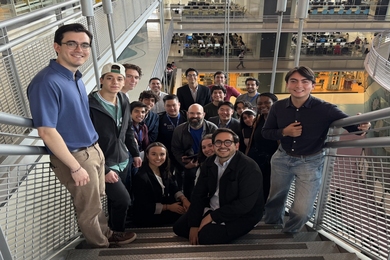
MIT and Tec de Monterrey will expand FrED curriculum to universities across Mexico.
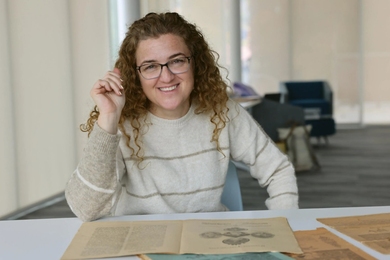
A faculty member since 2011, Ekmekcioglu examines how communities survive, adapt, remember, and make claims on justice under difficult political conditions.
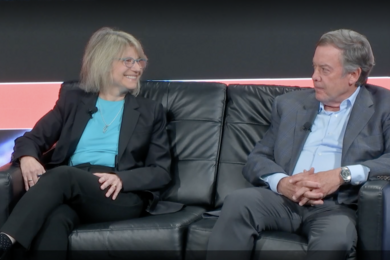
During a "Washington Post Live" panel discussion with ASU President Michael Crow, President Sally Kornbluth explored how universities are preparing the next generation of scientists to lead in America’s rapidly changing technological landscape.
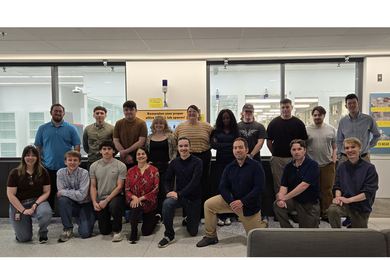
A hands-on boot camp teaches integrated photonics to community and four-year college students in the region.