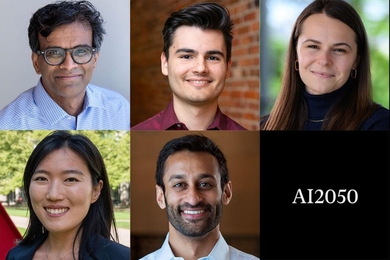
MIT affiliates named 2026 Schmidt Sciences AI2050 Fellows
Five MIT faculty members and two additional alumni are honored with fellowships to advance research on beneficial AI.
Five MIT faculty members and two additional alumni are honored with fellowships to advance research on beneficial AI.
The Applied Research Training in Evaluation, Methods, and Impact Studies program provides dedicated support to help researchers overcome barriers to pursue and obtain funding for randomized evaluations.
Professor Michael Yaffe and six MIT alumni are honored for their outstanding professional achievement and commitment to service.

The hub serves as a free, online repository of essential content for policymakers, practitioners, and researchers seeking to leverage rigorous research to inform their approaches to homelessness.
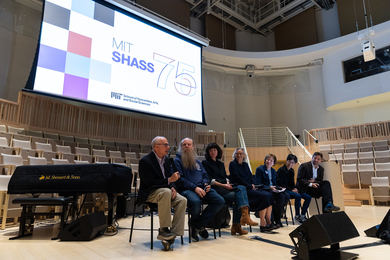
During the School of Humanities, Arts, and Social Sciences’ 75th Anniversary Symposium, President Sally Kornbluth said “MIT has never needed your particular insight and guidance more than we do now.”
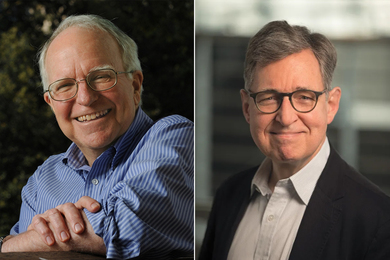
The MIT alumni are honored for work that illuminates how government policy can spur growth in response to economic downturns.

J-PAL North America’s Learning Lab supported a second cohort of U.S. government and nonprofit organizations in building and using rigorous evidence to advance effective decarbonization and adaptation strategies.
The Institute’s undergraduate engineering, computer science, and economics programs are No. 1; its business program is No. 2.
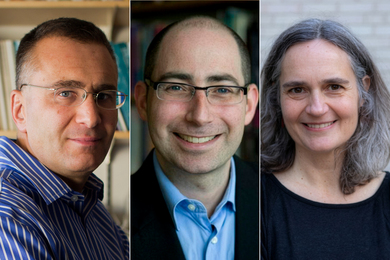
Established after World War II, the School of the Humanities, Arts, and Social Sciences is an integral part of the MIT experience. Three faculty reflect on the school’s ongoing impact.
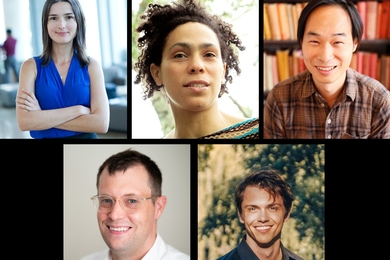
Faculty members granted tenure in Comparative Media Studies/Writing, Economics, Political Science, and Theater.
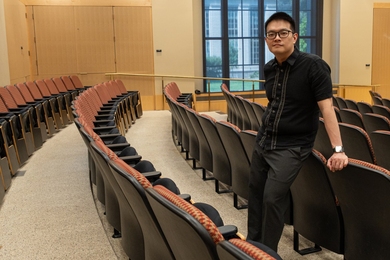
Graduate student Lyonel Tanganco investigates how to improve public policy interventions and address challenges in nutrition, climate, and development.
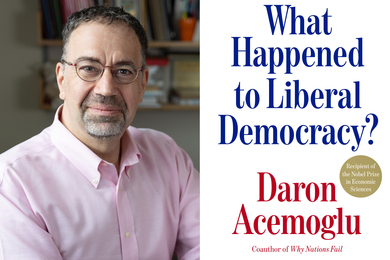
Deindustrialization didn’t only hurt some workers, Daron Acemoglu says in a new book; it shrank the coalition supporting democracy, which needs expanding.
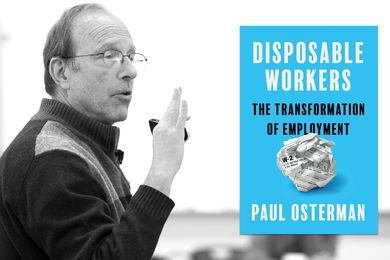
In a new book, Paul Osterman details his research finding more than one-third of the country’s workers are “disposable,” with little security or chance of job advancement.

Their new study aims to give budding industry a framework for understanding how fusion can be profitable.
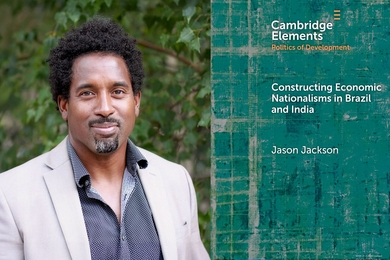
DUSP Associate Professor Jason Jackson’s latest book compares how two countries chose radically different paths to economic independence.