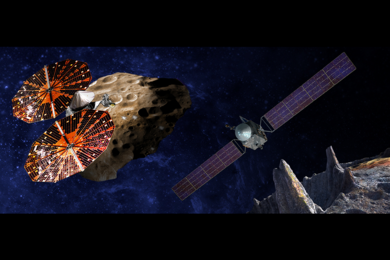
Twin wins for planetary exploration
MIT scientists and alumni well represented on newly announced NASA asteroid missions Psyche and Lucy.
MIT scientists and alumni well represented on newly announced NASA asteroid missions Psyche and Lucy.

New technique predicts frequency of heavy precipitation with global warming.
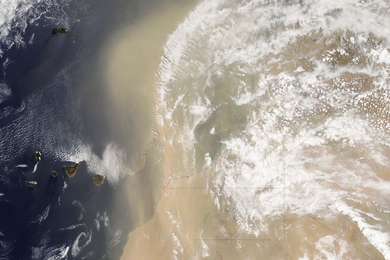
Scientists find huge reduction in African dust plume led to stronger Saharan monsoons 11,000 years ago.
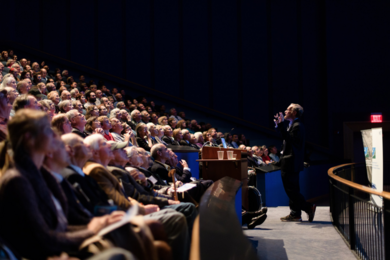
Richard Alley delivers 2016 Carlson Lecture on the physics of glaciers and how ice sheets capture a history of the world’s climate.

Scientists reconstruct first hours after a giant impact created one of the largest craters on the moon.
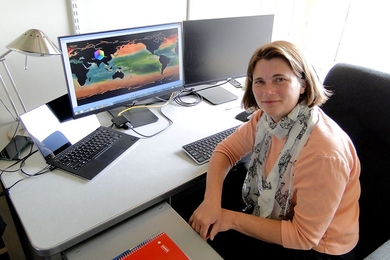
Stephanie Dutkiewicz’ phytoplankton models project the future of the ocean as food source and carbon sink.
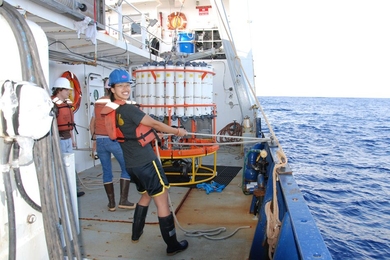
More anthropogenic carbon in the northeast Pacific means weaker shells for many marine species.

Study shows long-lasting health, economic impacts of lead emissions from U.S. general aviation flights.
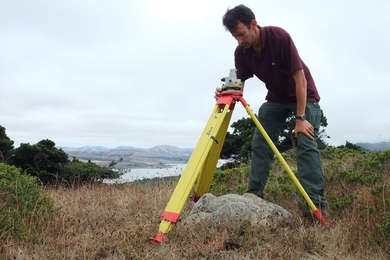
Continuing seismic activity could pose additional hazards to infrastructure.
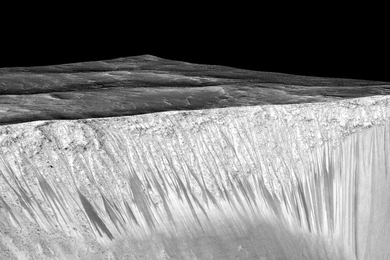
A novel interpretation of Raman spectra will help the 2020 Mars rover select rocks to study for signs of life.
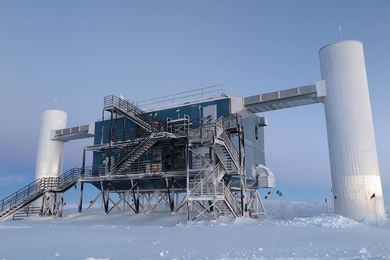
If discovered, sterile neutrinos may explain dark matter.
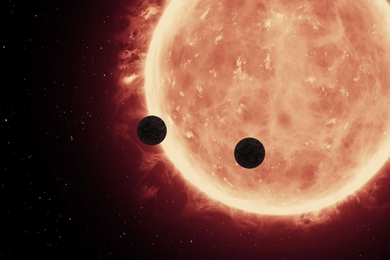
Two potentially habitable planets in nearby system are confirmed to be rocky.
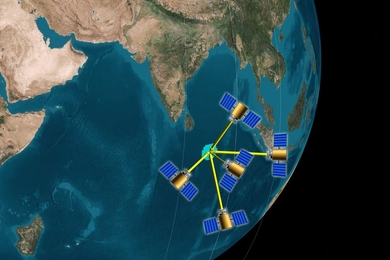
Batches of shoebox-sized satellites could improve estimates of Earth’s reflected energy.
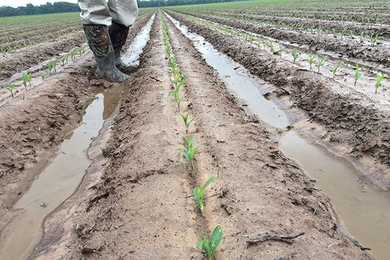
New approach tracks key factors affecting crop yields, enabling early adaptation.
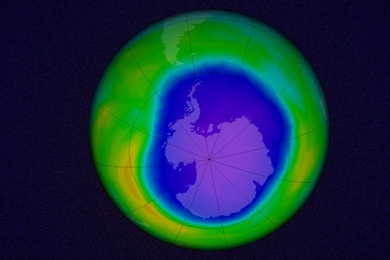
September ozone hole has shrunk by 4 million square kilometers since 2000.