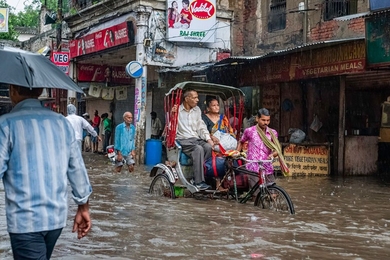
Study: Indian monsoons have strengthened over past 15 years
A 50-year dry spell has reversed, with more rain to come.
A 50-year dry spell has reversed, with more rain to come.
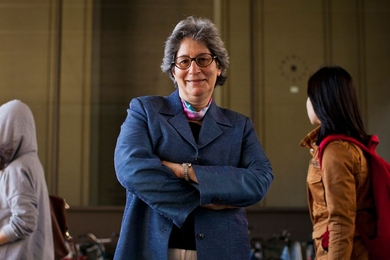
Professor of atmospheric chemistry honored for her contributions to atmospheric science.
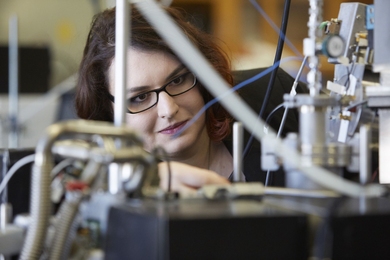
A technique developed in the Cziczo Lab may be the most accurate way of identifying biological aerosols from mineral dust in the atmosphere and analyzing their contribution to cloud formation and climate change.

Climate change could damage the fragile zones, causing major carbon emissions.
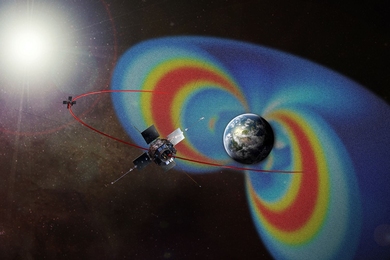
New research from MIT Haystack Observatory reviews the ways in which human activity affects space weather around Earth.
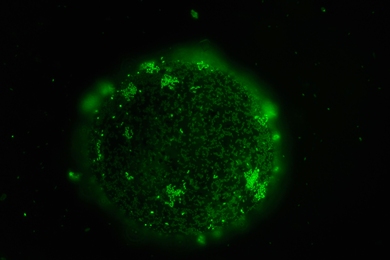
A new MIT-led Simons Foundation collaboration aims to understand basic principles and laws of microbial ecosystems.
![“The observations are telling us there will be increases [in extreme rainfall] at almost all latitudes, but if you want to know what’s going to happen at the scale of a continent or smaller, it’s a much more difficult question,” Paul O’Gorman says.](/sites/default/files/styles/term_page__news_article/public/images/201705/mit-extreme-rain.jpg?itok=3RZFd0k3)
Intensification of extreme rainfall varies from region to region, study shows.
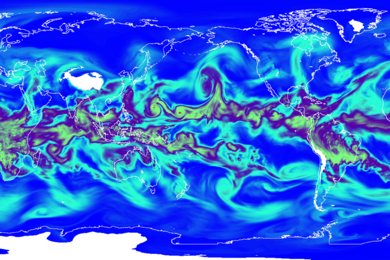
Associate Professor Paul O'Gorman describes three questions climate scientists recently suggested should frame the future of climate research.
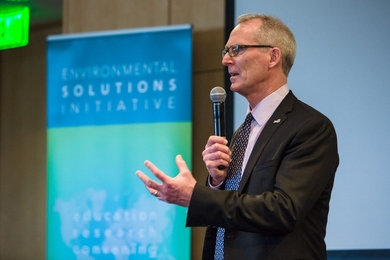
At MIT, former Congressman Bob Inglis speaks about climate and free enterprise.
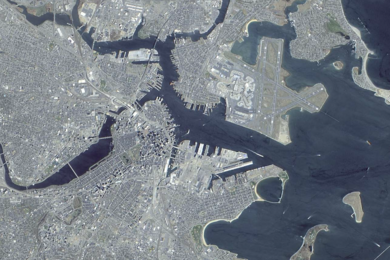
Advanced Land Imager instrument developed at MIT Lincoln Laboratory helped NASA mission exceed expectations.
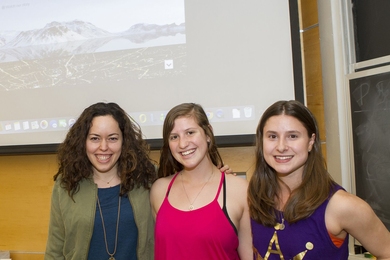
Fourth annual CEE Video Competition highlights global research and opportunities.
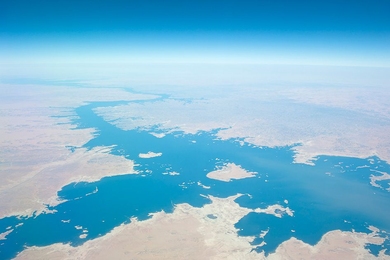
Climate change could lead to overall increase in river flow, but more droughts and floods, study shows.

Senior Elizabeth Rider uses atmospheric chemistry research to create international connections.
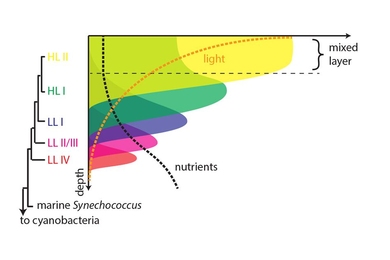
Ubiquitous marine organism has co-evolved with other microbes, promoting more complex ecosystems.
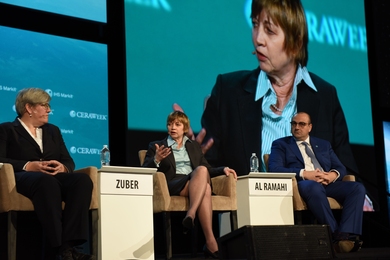
MIT energy and climate thought leaders play integral part in discussions at CERAWeek 2017.