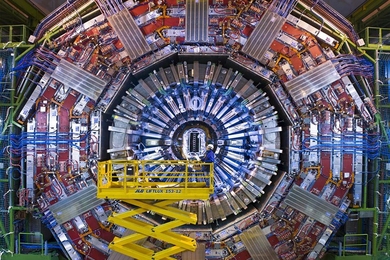
First open-access data from large collider confirm subatomic particle patterns
CERN Open Data Portal results reveal predictable patterns from colliding high-energy protons.
CERN Open Data Portal results reveal predictable patterns from colliding high-energy protons.
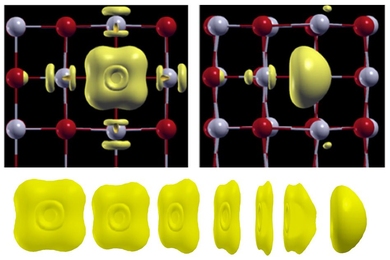
Harnessing these imperfections could have implications for computer memory and energy conversion.
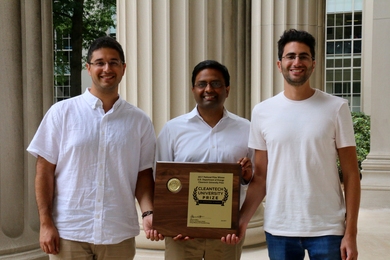
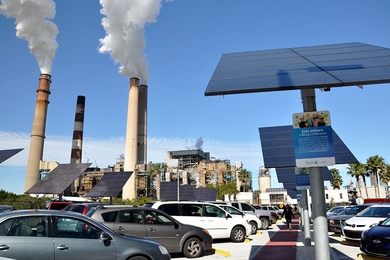
Startup is meeting global environmental needs by changing the way power plants use water.

New design boosts the power output of the best-performing chip-scale terahertz laser by 80 percent.

Study reveals the mechanisms of a protein that helps moss and green algae defend against too much light.

By 2050, the Southwest will produce significantly less cotton and forage, researchers report.
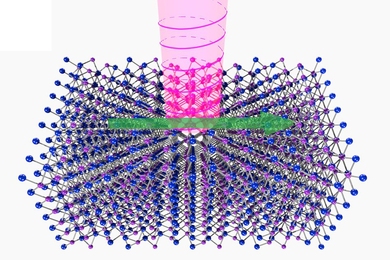
Exotic metal displays behavior that could lead to new infrared detectors.
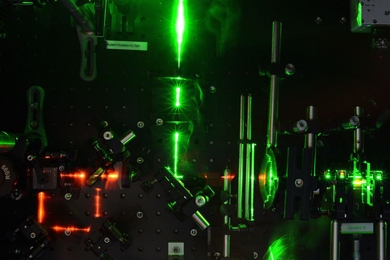
Technique will enable continuous measurement of damage to materials in high-radiation environments.
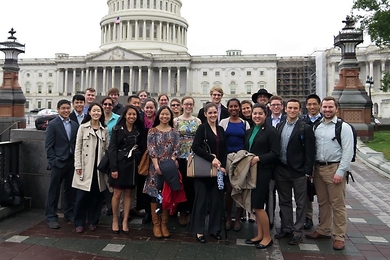
Members of MIT's Science Policy Initiative meet with members of Congress on Science-Engineering-Technology Congressional Visits Day.
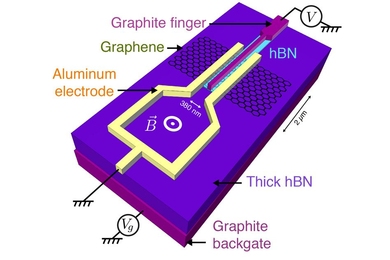
Platform may be used to explore avenues for quantum computing.
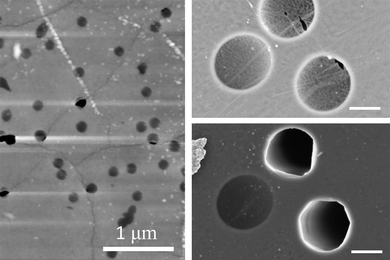
Used in filtration membranes, ultrathin material could help make desalination more productive.
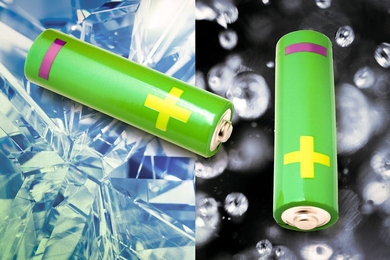
Brittle electrodes handle expansion by going glassy, study shows.

Fresh from nearly four years as U.S. Energy Secretary, Moniz returns to his roots at MIT.
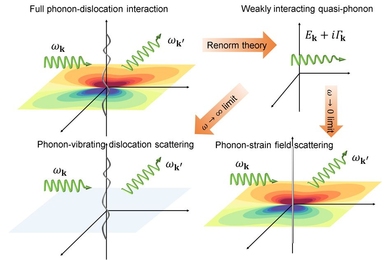
Study sheds light on interactions that change the way heat and electricity move through microchips.