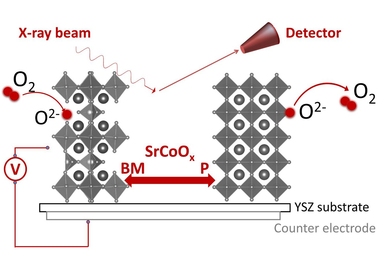
Switchable material could enable new memory chips
Small voltage can flip thin film between two crystal states — one metallic, one semiconducting.
Small voltage can flip thin film between two crystal states — one metallic, one semiconducting.
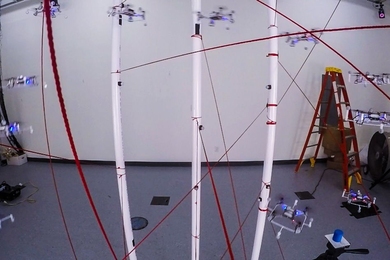
Motion-planning algorithms allow drones to do donuts, figure-eights in object-filled environments.

Model that predicts time from gate departure to takeoff could cut airport congestion, fuel waste.

App that rates drivers’ behavior yields promising safety results on the road.
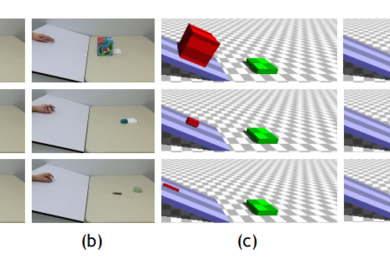
“3-D physics engine” from the Computer Science and Artificial Intelligence Laboratory simulates the human brain to infer physical properties.
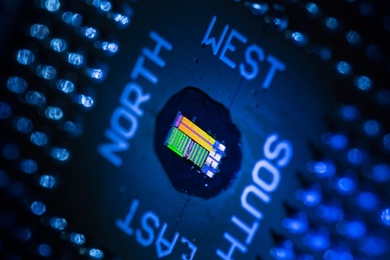
High-performance prototype means chipmakers could now start building optoelectronic chips.
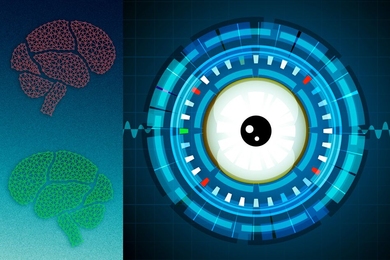
Algorithms could learn to recognize objects from a few examples, not millions; may better model human cognition.
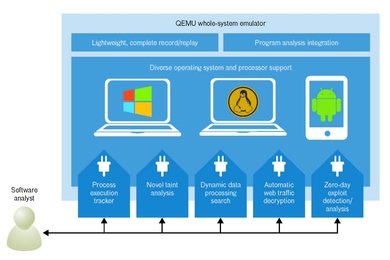
Three software products named among 100 most technologically significant innovations of 2015.
Software analyzes online chatter to predict health care consumers’ behavior.
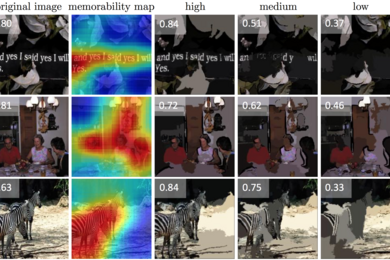
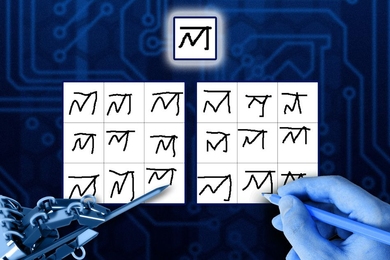
Future versions of an algorithm from the Computer Science and Artificial Intelligence Lab could help with teaching, marketing, and memory improvement.
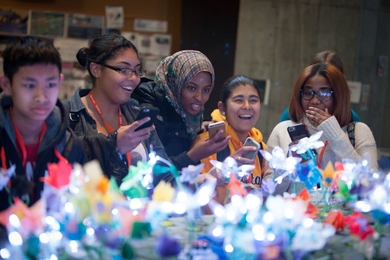
Robots, 3-D printers, and a surprise guest aim to get students excited about computer science.
Google experiments suggest that the D-Wave computer exploits quantum phenomena.
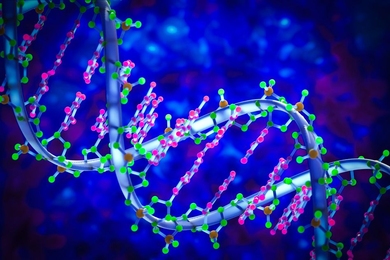
MIT professor’s startup makes synthesizing genes many times more cost effective.

Looking back on the year that was: Highlights from the Computer Science and Artificial Intelligence Lab in 2015.