
First major database of non-native English
Resource could yield linguistic insights, practical applications for non-native English speakers.
Download RSS feed: News Articles / In the Media / Audio
Resource could yield linguistic insights, practical applications for non-native English speakers.

Prototype display enables viewers to watch a 3-D movie from any seat in a theater.
Now three years old, the Julia programming language is helping to solve problems in areas such as economic modeling, spaceflight, and bioinformatics.

Professor emeritus helped launch field of information theory and developed early time-sharing computers.
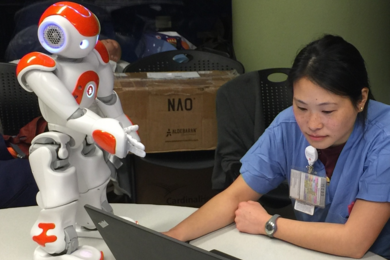
System from Computer Science and Artificial Intelligence Lab suggests where to move patients and who should do C-sections.
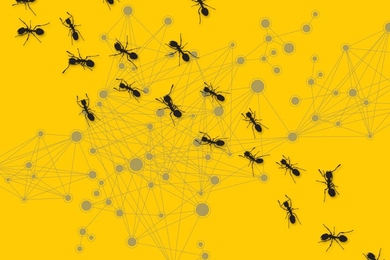
Analysis of ant colony behavior could yield better algorithms for network communication.

Network can protect users’ anonymity if all but one of its servers are compromised.
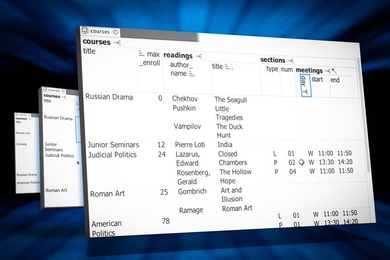
With a new tool, any competent spreadsheet user can construct custom database interfaces.
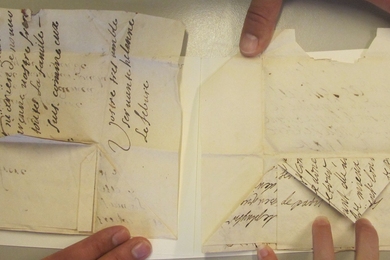
New grants help MIT Libraries, DMSE, and CSAIL push the boundaries of examining artifacts.
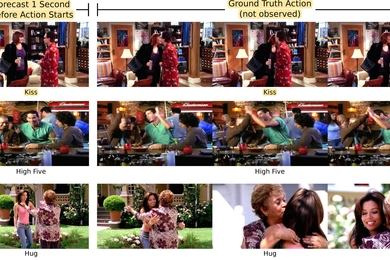
Deep-learning vision system from the Computer Science and Artificial Intelligence Lab anticipates human interactions using videos of TV shows.

New analog compiler could help enable simulation of whole organs and even organisms.

New chip design makes parallel programs run many times faster and requires one-tenth the code.

Crowd-sourced data yields system that determines where mobile-device users are looking.