Exploring the future of learning through virtual and augmented reality
At a recent symposium, MIT Open Learning invited experts to discuss the power of VR and AR tools to drive engagement with education.
Download RSS feed: News Articles / In the Media / Audio
At a recent symposium, MIT Open Learning invited experts to discuss the power of VR and AR tools to drive engagement with education.

Neural network that securely finds potential drugs could encourage large-scale pooling of sensitive data.

System that automatically identifies people moving around indoors could enable self-adjusting homes.
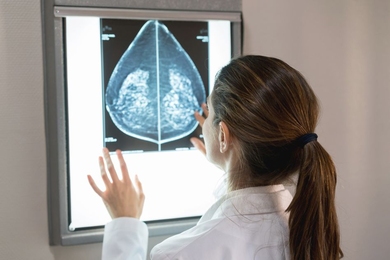
Deep-learning model has been used successfully on patients, may lead to more consistent screening procedures.

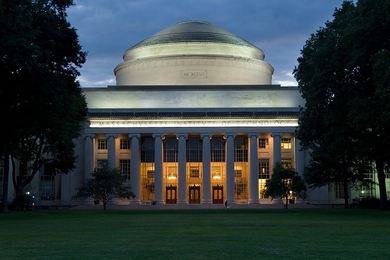
Gift of $350 million establishes the MIT Stephen A. Schwarzman College of Computing, an unprecedented, $1 billion commitment to world-changing breakthroughs and their ethical application.

Machine learning system aims to determine if an information outlet is accurate or biased.

In simulations, robots move through new environments by exploring, observing, and drawing from learned experiences.
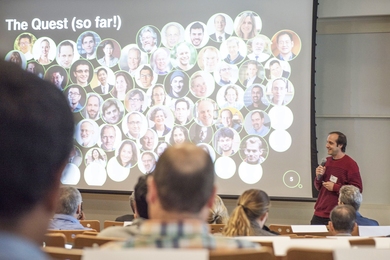
Community event generates ideas for sparking innovative and ambitious plans to advance research in human and machine intelligence.

Inaugural director of The Quest discusses what's been accomplished since last spring's launch and what is on the horizon.
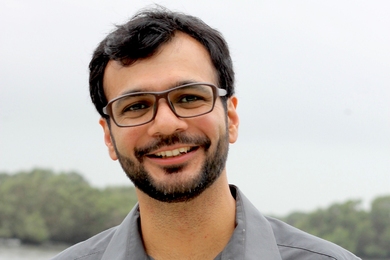
Laboratory for Information and Decision Systems alumnus and CSAIL lecturer Jehangir Amjad uses statistical methods to predict likely outcomes with limited data.

CSAIL system could help athletes, dancers, and others better analyze how they move.

Agarwal is recognized for making education more accessible to people around the world, via edX open-source online platform.