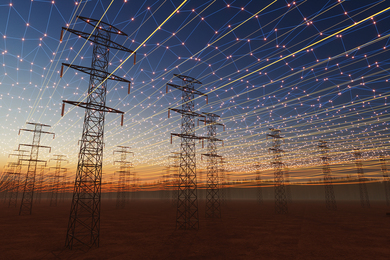
For energy systems that power a reliable grid, the future is all about location
MIT researchers find that where new energy projects are built could be key to avoiding blackouts in a future with hotter weather and other challenges.
MIT researchers find that where new energy projects are built could be key to avoiding blackouts in a future with hotter weather and other challenges.
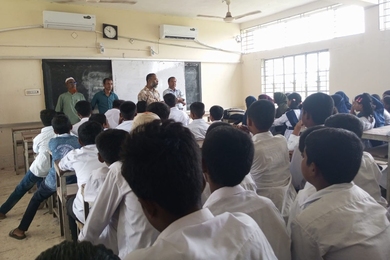
The Jameel Observatory-CREWSnet project opens a solar-powered “adaptation fortress” in Satkhira, a region facing severe and growing climate threats.

Using modern tools, they also determined that carbon tetrachloride, used as a dry-cleaning and degreasing agent as early as the 1930s, was at the root of early ozone loss.
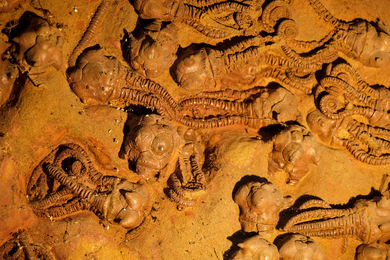
A new model links Earth’s mass extinctions to mismatches between rates of environmental change and biological adaptation.

Fourth-year PhD candidate Perrin Davidson studies the carbon cycle to understand how the planet responds to global disturbances.
The MIT professor’s groundbreaking work on atmospheric chemistry helped lay steps towards recovery of the ozone layer and demonstrated the lasting impacts of carbon emissions on Earth’s climate.
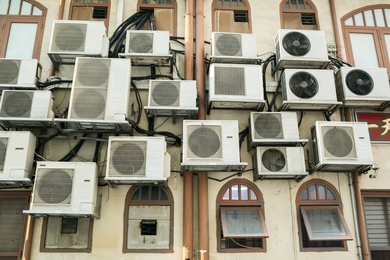
Low-cost personal cooling and emissions-free air conditioning among ideas studied with MIT’s Climate Project seed funding.

MIT Sloan’s Sustainability Initiative provides opportunities to lead in ways that will help build a more sustainable future.

Akorfa Dagadu, an MIT senior in chemical engineering, learns the importance of community-engaged research and innovation through the PKG Center for Social Impact.
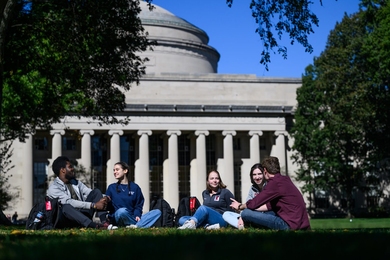
Dimitris Bertsimas and Megan Mitchell discuss the motivation behind Universal Learning, and what sets the new MIT Open Learning educational initiative apart.
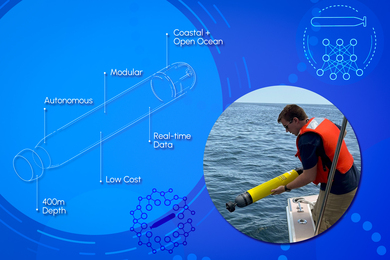
Founded by Ravi Pappu SM ’95, PhD ’01, Apeiron Labs is deploying low-cost ocean sensors to improve storm forecasts, detect endangered species, and more.
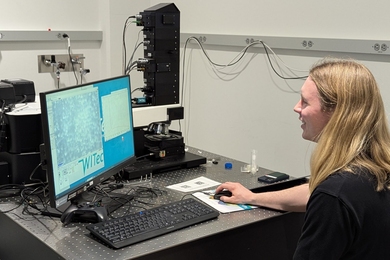
Startup accelerator program grows to over 30 companies, almost half of them with MIT pedigrees.
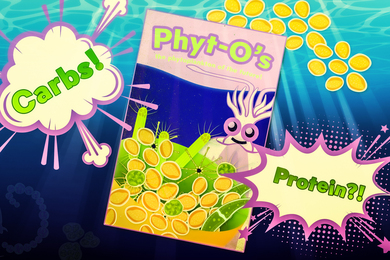
With warmer ocean temperatures, the composition of marine plankton could shift from protein-rich to carb-heavy, a new study suggests.
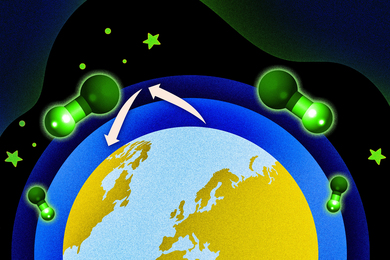
A new model shows how levels of the “atmosphere’s detergent” may rise and fall in response to climate change.
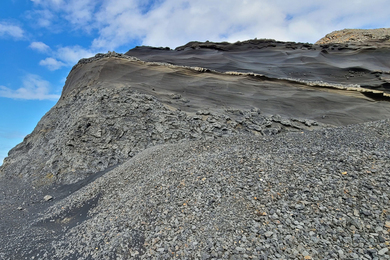
New research by MIT geophysicists could assist efforts to remove carbon from the atmosphere and store it underground.