MIT conference celebrates climate change innovators
With keynote lectures by Anthony Leiserowitz and Jeremy Grantham, conference encourages attendees to "move ideas into action."
With keynote lectures by Anthony Leiserowitz and Jeremy Grantham, conference encourages attendees to "move ideas into action."
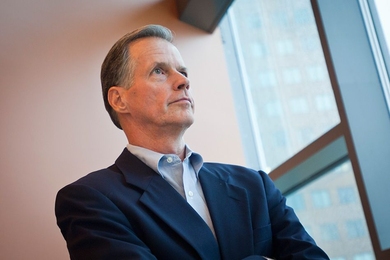
International effort aims to harness the intelligence of people worldwide to address climate change.
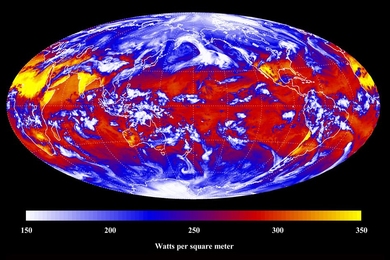
Researchers show that a canonical view of global warming tells only half the story.
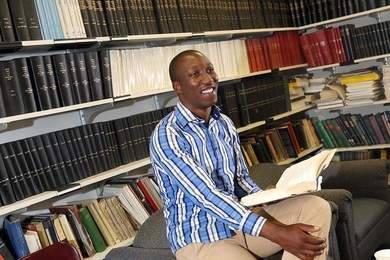
Jimmy Gasore is working on Africa’s first high-frequency climate observatory in his native Rwanda.
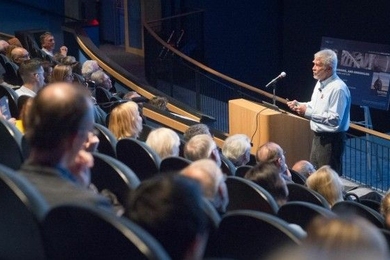
University of Colorado at Boulder professor presented “Big Cats, Panamá, and Armadillos: A Story of Climate and Life” at the New England Aquarium.
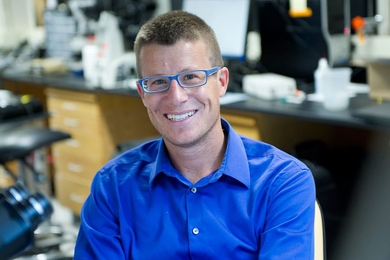
New committee aims to catalyze community discussion on how MIT can help address climate change.
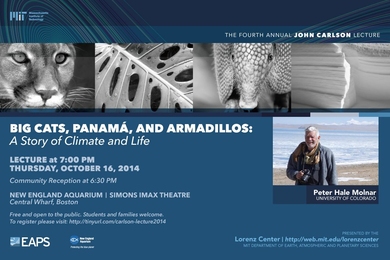
Geologist and 2014 Crafoord Prize-winner will deliver the 4th annual John Carlson Lecture.

Former secretary of state — and former MIT professor — urges progress on multiple fronts.
"2014 Climate and Energy Outlook" finds the world will be warmer, thirstier, and still dependent on fossil fuels unless 2015 climate negotiations are more effective than expected.

Some 70 MIT students, researchers, and alumni marched in the largest climate rally in history.

Analysis of material's molecular structure leads to a new formula that could cut greenhouse-gas emissions.

Coral organisms use minuscule appendages to control their environment, stirring up water eddies to bring nutrients.

Study finds big snowstorms will still occur in the Northern Hemisphere following global warming.