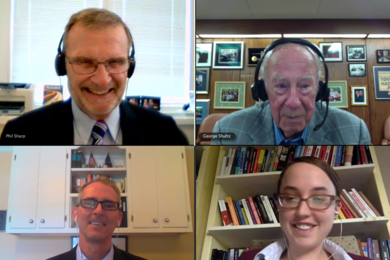
May 19 webinar to discuss U.S. carbon price, opportunities for innovation
Online discussion featuring George Shultz, Phil Sharp, and Bob Inglis, will focus on prominent issues relating to carbon pricing in the United States.
Online discussion featuring George Shultz, Phil Sharp, and Bob Inglis, will focus on prominent issues relating to carbon pricing in the United States.
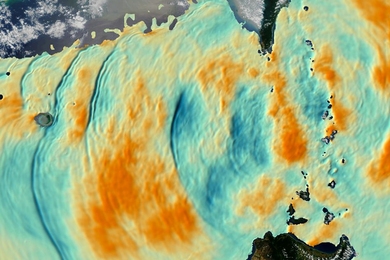
Region of world’s strongest “internal waves” is analyzed in detail; work could help refine climate models.
MIT faculty members discuss the history and science behind Earth’s warming climate, and whether anything can be done to mitigate a rising global temperature.

Climate expert Jochem Marotzke tackles the discrepancy between climate models and real-world observations in the 15th annual Henry W. Kendall Memorial Lecture.
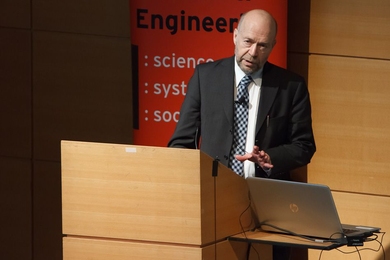
Former NASA scientist says we need to develop all carbon-free energy sources to avoid disaster.
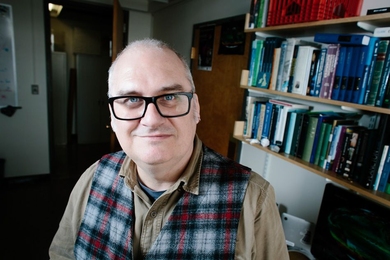
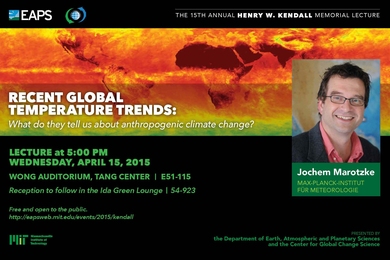
Director of the Max Planck Institute for Meteorology will deliver the 15th annual Henry W. Kendall Lecture.
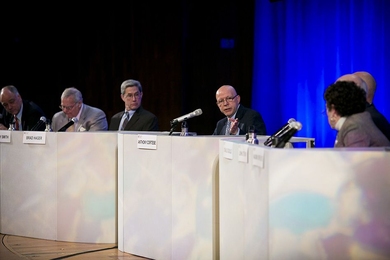
Participants discuss a proposed elimination of oil, gas, and coal companies from endowment portfolio.
Grants of up to $200,000 will fund environmental partnerships over the next two years.
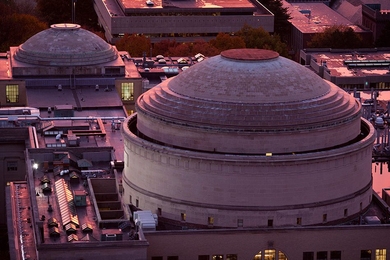
Debate to explore nuanced arguments for and against divestment from fossil fuels.
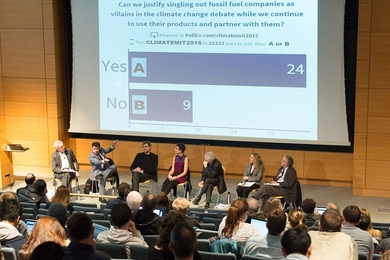
MIT discussion highlights causes for optimism and the importance of emphasizing positive steps.

Analysis shows that smarter programming of stoplights could improve efficiency of urban traffic.
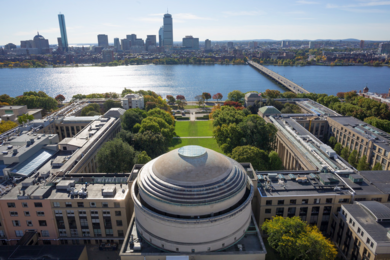
Event to address communication challenges — and opportunities for MIT to help overcome them.
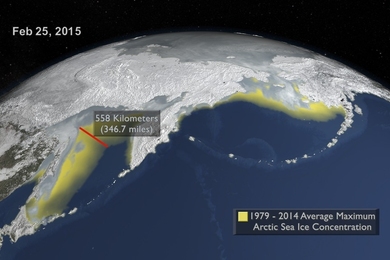
Ice-tethered devices are helping researchers collect more data on the Arctic Ocean.
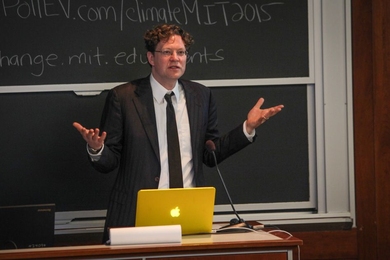
MIT Climate Change Conversation gets underway with brainstorming session on how to catalyze change.