
Climate change makes summer weather stormier yet more stagnant
Study finds rising temperatures feed more energy to thunderstorms, less to general circulation.
Study finds rising temperatures feed more energy to thunderstorms, less to general circulation.
Two new J-WAFS Solutions commercialization grants will support novel technologies that aim to improve the economics and resiliency of farming.
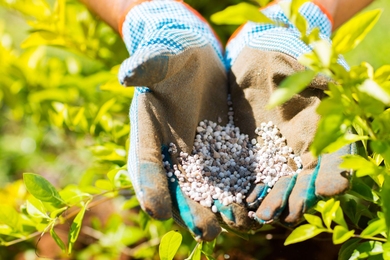
J-WAFS-funded MIT research team shows a new method of fertilizer production can better suit the needs of farms in Africa and around the globe.
Brent Minchew has flown presidents and foreign dignitaries on Marine One. Today he studies how ice sheets evolve and respond to changing climate.
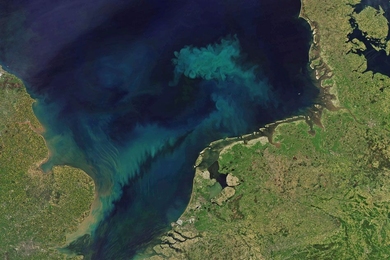
Climate-driven changes in phytoplankton communities will intensify the blue and green regions of the world’s oceans.
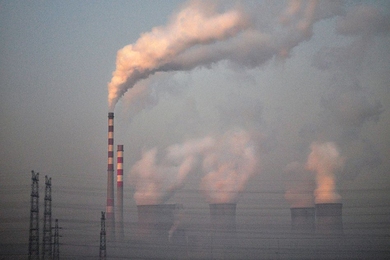
Firms learn from experience in the measurement, reporting, and verification of carbon emissions under China’s emissions trading systems.
Machine learning could help improve the accuracy of long-term forecasts, MIT climatologist argues.
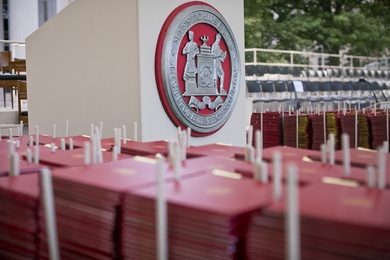
New EAPS thesis field is the most recent to join the computational science and engineering doctoral program within the Center for Computational Engineering.
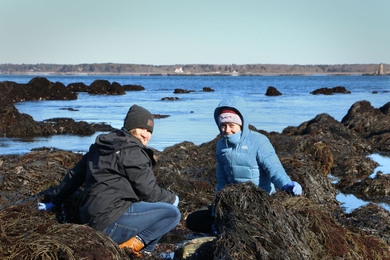
Independent Activities Period class explores the role coastal ecosystems play in protecting the environment and how climate change has affected them.
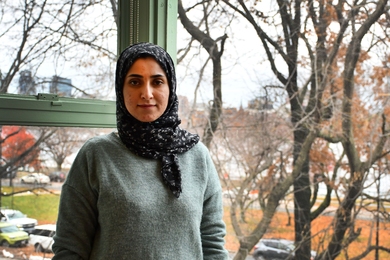
Visiting Assistant Professor Maryam Rashed Alshehhi models a region with freshwater shortages, oil spills, and frequent dust storms.
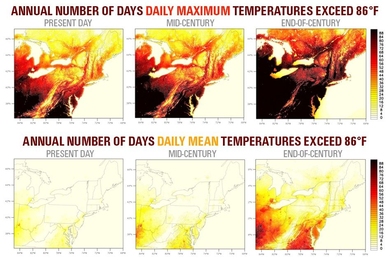
A new MIT-led study projects a dramatic increase in annual high-heat days in the U.S. Northeast by the century’s end.
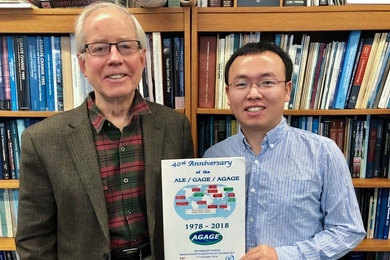
Study finds chloroform emissions, on the rise in East Asia, could delay ozone recovery by up to eight years.
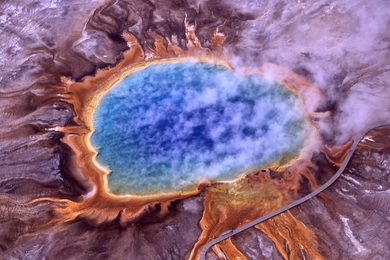
New research finds a unique component of cell membranes in an archaea species conveys protection against acidic surroundings.
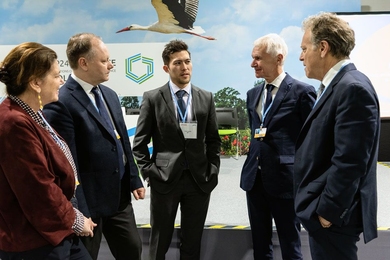
At UN Climate Change Conference, MIT researchers share knowledge and tools to help nations meet Paris Agreement targets.
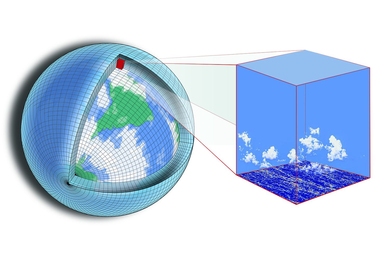
Scientists and engineers will collaborate in a new Climate Modeling Alliance to advance climate modeling and prediction.