
Technology and policy pathways to Paris emissions goals
Two new MIT reports advance practical emissions-reduction strategies for Southeast Asia and Latin America at both the regional and country level.
Two new MIT reports advance practical emissions-reduction strategies for Southeast Asia and Latin America at both the regional and country level.
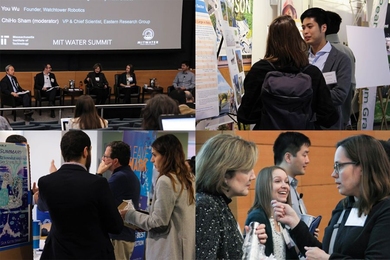
Experts gather at MIT to share insights, techniques, and strategies for building resilient urban water systems.
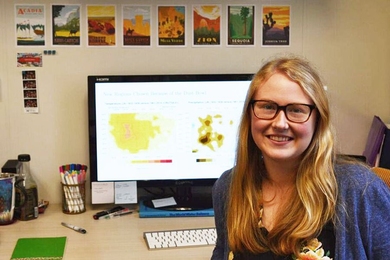
The civil and environmental engineering PhD student investigates the effects of climate change in the Midwest.
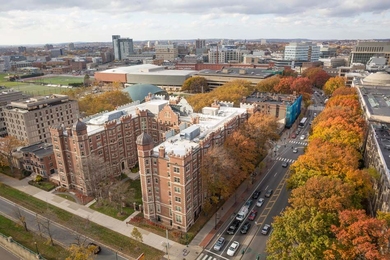
New generating plant, building retrofits, and progress in metering energy use represent ongoing gains.

Carl Wunsch continues to expand his foundational framework for understanding the behavior of worldwide oceans as a whole.
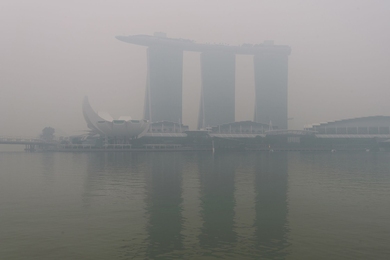
Radiocarbon measurements provide evidence that the origin of the haze over Sumatra's neighbors is peat, not deforestation and waste burning as many believed.
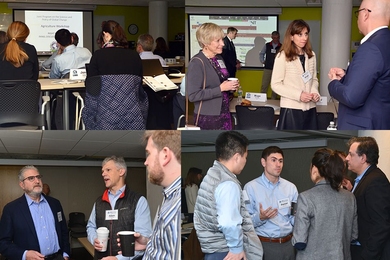
MIT Joint Program on the Science and Policy of Global Change workshop explores risks and opportunities for the agriculture sector.
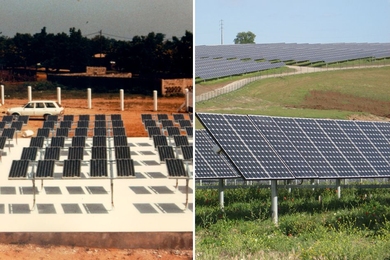
Researchers uncover the factors that have caused photovoltaic module costs to drop by 99 percent.
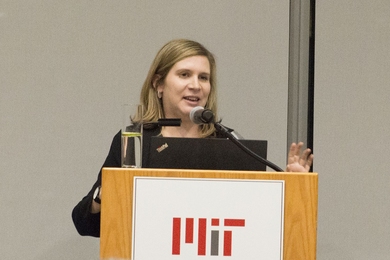
At its annual alumni reception, CEE faculty shared innovative research projects ranging from machine learning to regional impacts of climate change.

Campus sustainability incubator grants provide funding for innovative projects that bring together faculty, staff, and students and use MIT as a test bed for innovation.
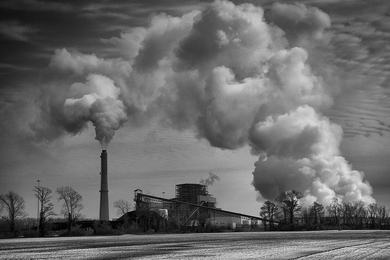
Toxin will accumulate in the environment, particularly in remote regions, as countries delay implementing emissions controls.
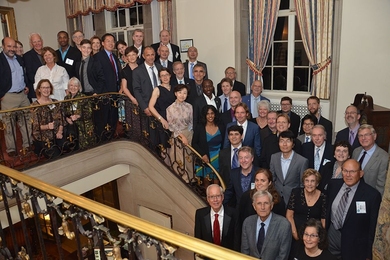
The AGAGE network celebrates 40 years of measuring ozone-depleting and climate-warming gases.
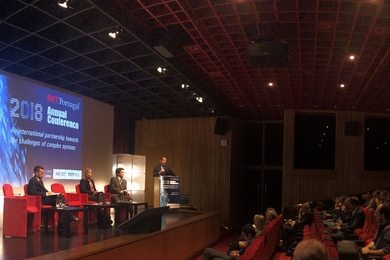
MPP2030 is focused on education, research, innovation, and entrepreneurship.
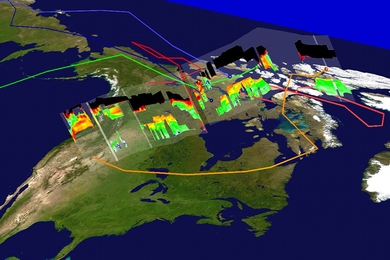
A faster, cheaper modeling method could improve our understanding of long-term atmospheric chemistry and provide a powerful tool for risk assessment.
