Tropical Pacific is major player in global ocean heat transport
Region dominates the transfer of heat from the equator to the poles in both hemispheres, challenging the "great conveyor belt" model.
Region dominates the transfer of heat from the equator to the poles in both hemispheres, challenging the "great conveyor belt" model.

A prolific inventor and jet-engine designer, Wilson was passionate about recumbent bicycles and was an early advocate for a carbon fee.

Results may help researchers interpret ancient monsoon variations, predict future activity in the face of climate change.

Phytoplankton decline coincides with warming temperatures over the last 150 years.
TILclimate (Today I Learned: Climate) podcast demystifies the science, technology, and policy surrounding climate change in 10-minute bites.
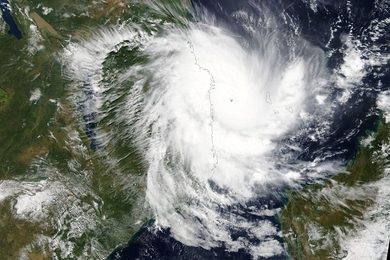
Economic benefits of mitigation arrive much sooner than previously thought.

Inaugural event for MIT’s climate action groups showcases ways the Institute is reaching outside its walls to make new contributions on climate change.

Student-led startups Symbrosia and SiPure each awarded a $14,000 grand prize.

A new method identifies opportunities to learn and adapt to changing temperature and precipitation trends.

Raffaele Ferrari honored with School of Science Ally of Nature Fund Award.
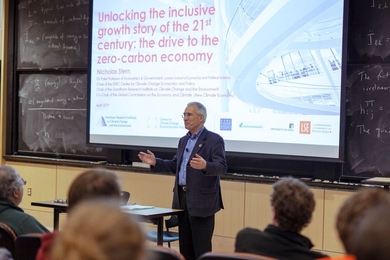
In MIT talk, Lord Nicholas Stern calls the next 20 years “absolutely defining” for society.

Student-run event spans energy policy, carbon pricing, storage technologies, and the rise of renewables.
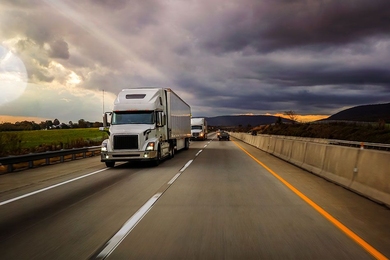
Long-haul trucks with electric motors combined with gas-alcohol engines could slash pollution levels and greenhouse gases.
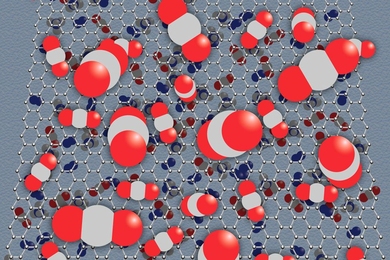
Novel membrane material removes more impurities, without the need for toxic solvents.