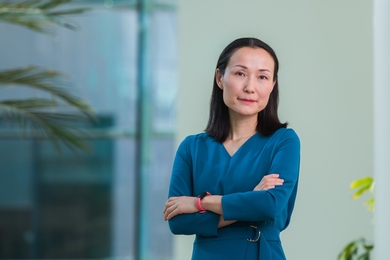
3 Questions: Putting nuclear waste into perspective
Professor Haruko Wainwright believes the risks posed by radioactive wastes cannot be properly assessed without also considering the hazards of chemical wastes.
Professor Haruko Wainwright believes the risks posed by radioactive wastes cannot be properly assessed without also considering the hazards of chemical wastes.
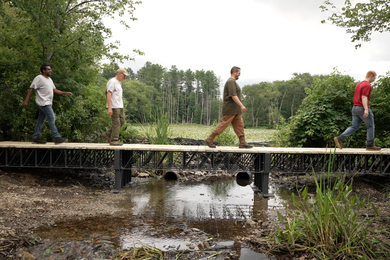
Atlas Building Composites is commercializing MIT research to turn plastic waste into parts for buildings and other infrastructure.
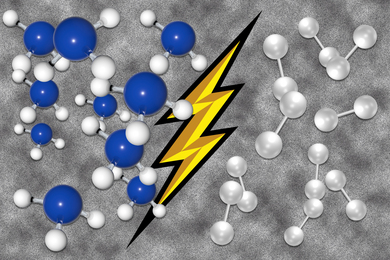
An MIT team has demonstrated a more efficient way to extract pure hydrogen gas from hydrogen carrier molecules.
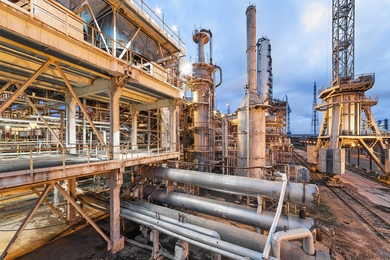
New MIT research could lead to better materials for a fossil-fuel-free process for making the chemical that's essential to fertilizer and other products.

Dmat is commercializing findings from the lab of Associate Professor Admir Masic to make concrete longer-lasting and more sustainable.
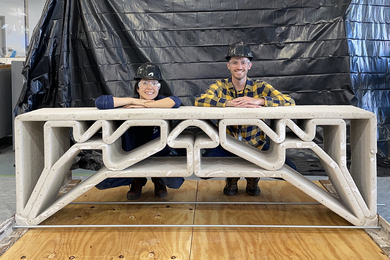
MIT researchers developed a framework that folds a printer’s real-world limits into the optimization, while revealing that better hardware could sharply reduce material use.

MIT researchers developed an approach for generating more buildable structures, bridging the gap between optimized design and real-world construction.
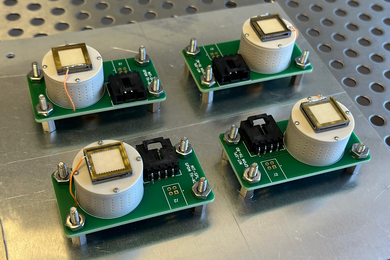
For satellites as small as a briefcase, getting around in space just got a whole lot easier.
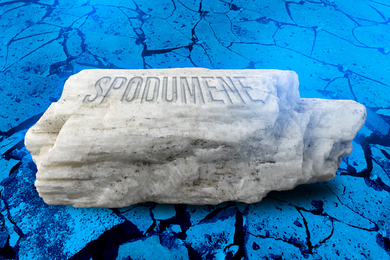
The low-temperature process could unlock cleaner lithium from America’s abundant hard rock while minimizing waste.
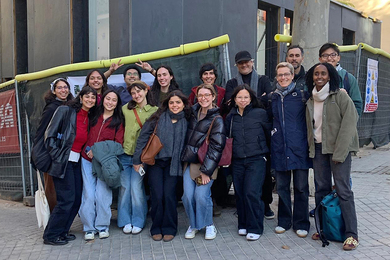
Students in a MISTI Global Classroom confronted the challenges of climate change, one farm and co-op visit at a time.
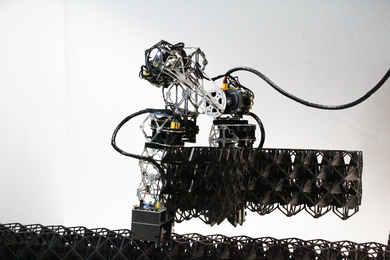
New research suggests constructing a simple building from interlocking subunits should be mechanically feasible and have a much smaller carbon footprint.
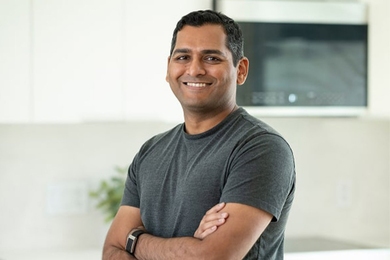
Reframe Systems, co-founded by Vikas Enti SM '20, creates microfactories for modular home construction, reducing carbon emissions and costs.
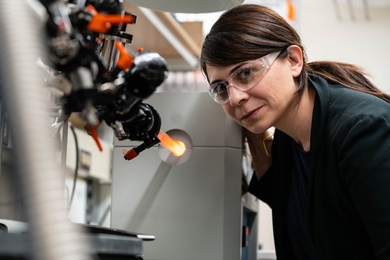
Faculty member in civil and environmental engineering will advance research and entrepreneurial initiatives across the School of Engineering.
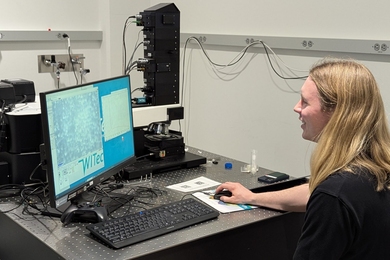
Startup accelerator program grows to over 30 companies, almost half of them with MIT pedigrees.

Co-founded by Dan Sobek ’88, SM ’92, PhD ’97, 1s1 Energy has developed electrochemical cell materials for hydrogen electrolyzers that it says reduces energy use by 30 percent.