Concrete has served as the foundation of empires for thousands of years. Today, it’s one of the most common materials in the world. But one look at the ancient Roman concrete structures still standing suggests that ancient builders knew something about durability that we don’t.
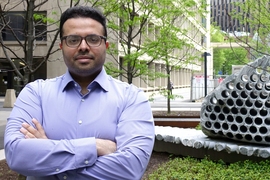
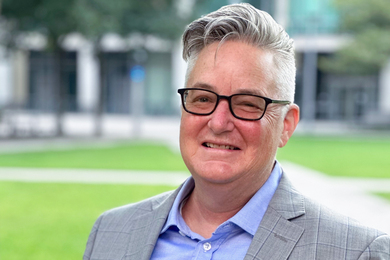
MIT Associate Professor Admir Masic has spent his career studying ancient Roman concrete. His work has uncovered details about what gave Roman concrete its legendary durability, including the manufacturing process that endowed it with self-healing properties.
In 2021, Masic decided to apply those findings to improve the durability of modern concrete by co-founding Dmat. Today, the company has developed additional technology to create a concrete additive that increases the lifespan of concrete structures by 50 percent and reduces CO2 emissions to 40 percent of traditional concrete.
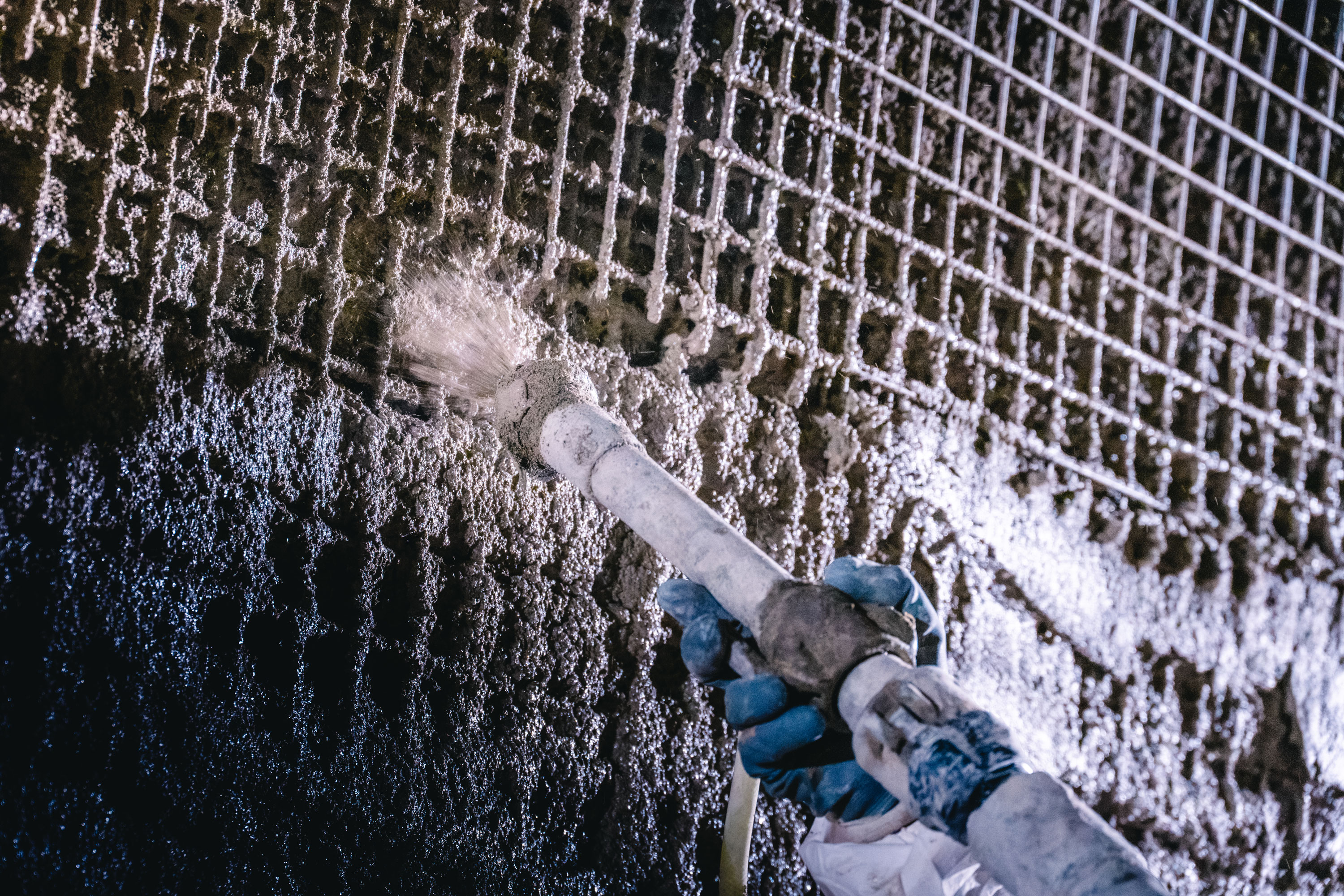
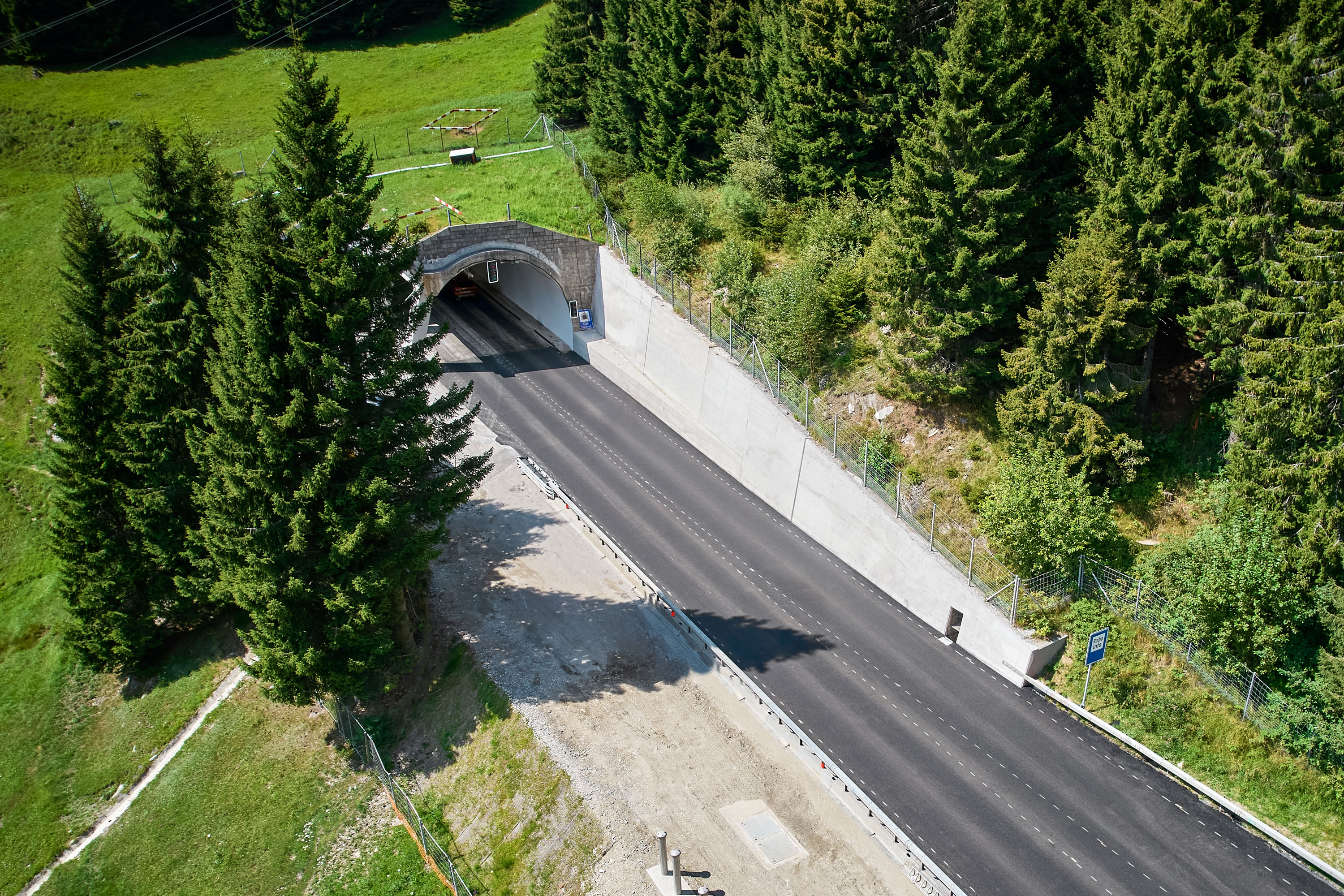
The company’s concrete has been used to make complex infrastructure across Europe including underground water tanks, road barriers, and pavement in Italy and Switzerland. The company plans to expand to the U.S. soon.
“We can now offer an extremely competitively priced, self-healing product that is easy to implement and available worldwide,” Masic says. “What’s exciting to me is that this material could become the industry standard without requiring companies to change how they operate. It doesn’t introduce any uncertainty, because it’s based on ancient Roman technology that has been tested for thousands of years. By applying lessons from the past, we’re enabling a better future for the modern concrete industry.”
Applying ancient insights
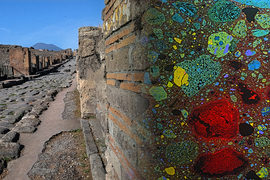
Masic’s research at MIT has involved using new characterization techniques to probe the chemical makeup of ancient concrete. It has also brought him to well-preserved ancient construction sites in Pompeii, where historical practices could be deconstructed.
In a 2023 study funded, in part, by the Concrete Sustainability Hub, Masic and collaborators showed that when ancient Roman concrete cracks, reservoirs of calcium inside it desolve and recrystallize to fill in the new openings. Using that insight, the team developed new concrete formulations based on the Ancient Roman technique that deliberately retain calcium-rich lime clasts throughout the mix. The researchers spent a year testing samples to show the technique improved the mechanical performance and durability of different forms of concrete.
Those findings served as the foundation of Dmat. Masic partnered with Italian entrepreneur Paolo Sabatini to commercialize the technology shortly after the paper was published.
Dmat has since developed a large portfolio of proprietary technology on top of what was licensed from MIT. As it developed its solution, Dmat worked with company laboratories to secure safety and performance certifications in the European Union and ensure it fit modern concrete-making practices.
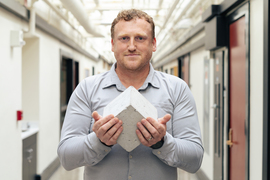
“At Dmat, we like to view concrete as an ecosystem,” says Sabatini, who serves as Dmat’s CEO and co-founder. “How does a material become the biggest industry in the world? There are considerations around not just materials but also transportation, price, and certifications. In order to get adoption, you need to design something that fits within the current industry’s ecosystem.”
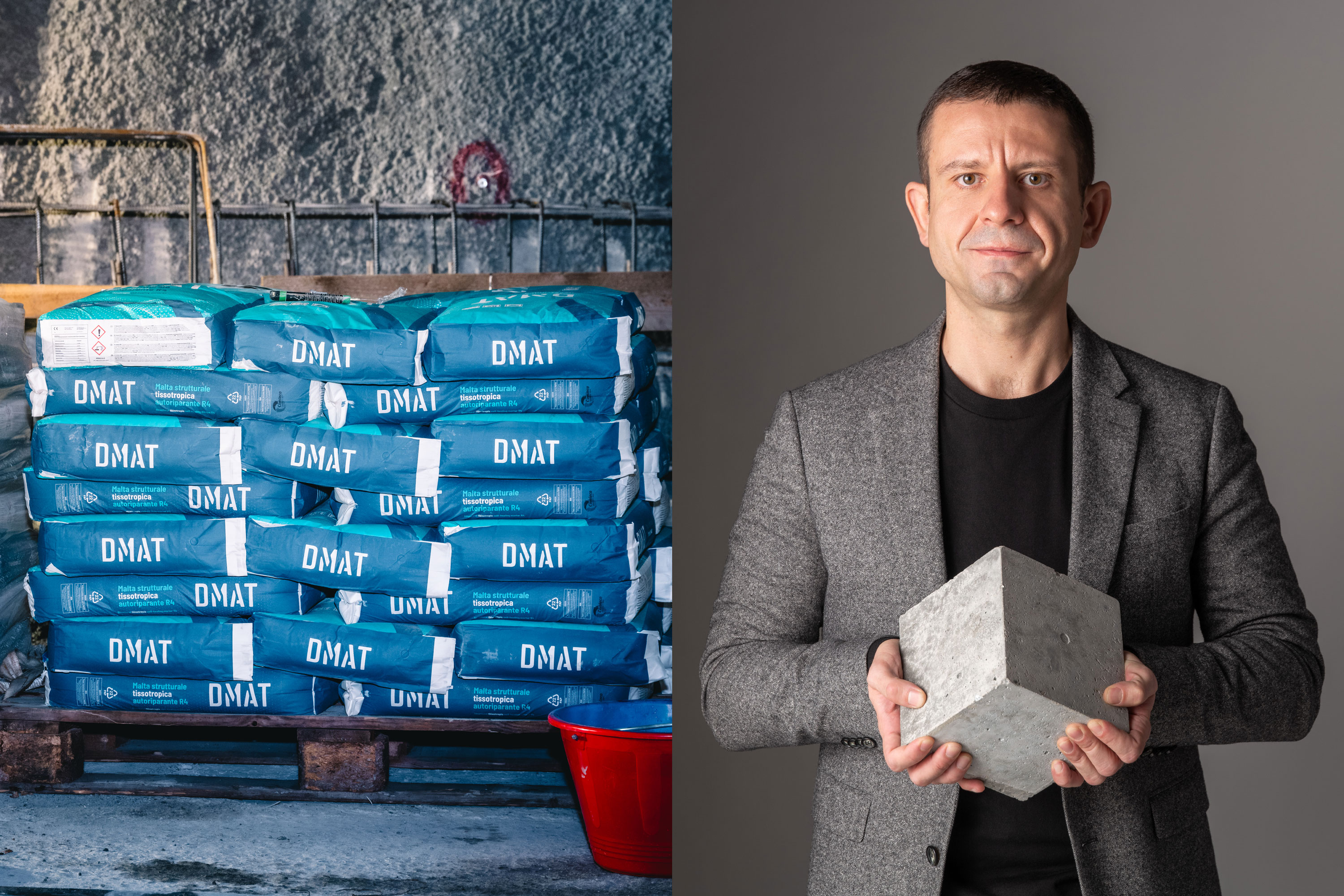
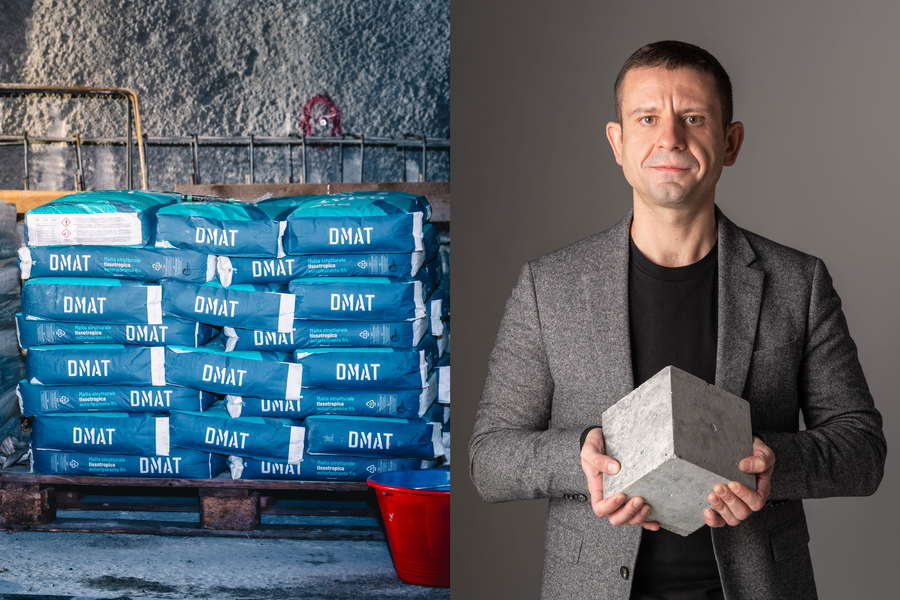
Today Dmat supplies additives that can be mixed with concrete and mortar to extend the lifespan and performance of the materials. Dmat sells its additives to developers as well as concrete manufacturers to incorporate when mixing the concrete. More recently, the company has also introduced a line of ready-mix bagged mortars for structural restoration.
“When we work with clients, we can customize the concrete mix for their project and then supply filler using our recipe,” Sabatini explains. “We provide recipes to concrete manufacturers and engineers that improve the performance of concrete. But we also work across the supply chain with developers, architects, construction companies, and others.”
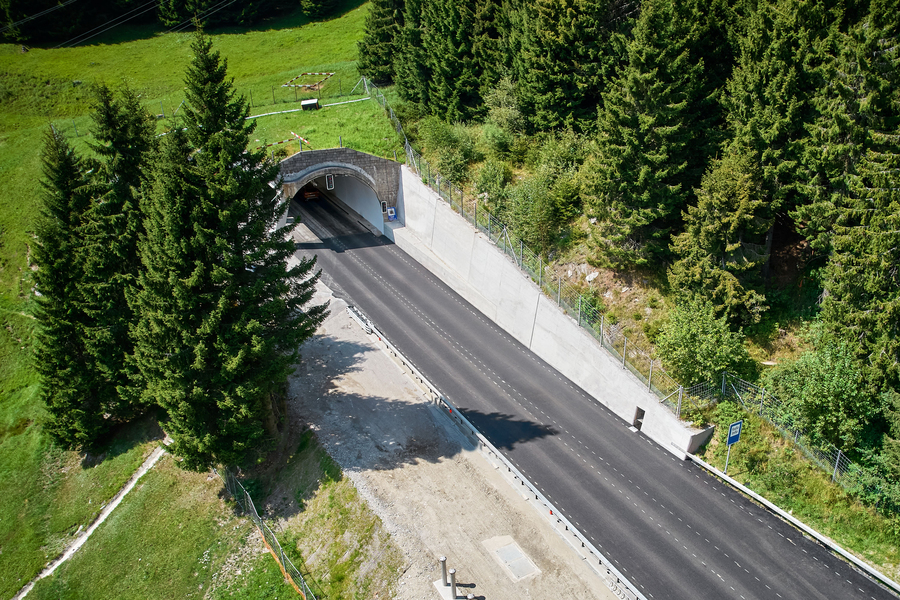
The first few years of the company were spent developing the technology and establishing relationships with the industry while attaining the necessary certifications to deploy in Europe.
“What’s good about Dmat is that the company is truly embedded into the concrete industry,” Masic says. “The company isn’t selling an idea. They have gone slow and carefully chosen projects to ensure they are successful in providing self-healing concrete without significant added cost.”
Built for scale
Other self-healing concretes use bacteria or polymer substances as additives, which can be more expensive, not to mention less familiar to people in the industry. Dmat’s founders have spent years honing their recipes to achieve self-healing properties with materials more familiar to the industry.
As a result, they believe the company is now in a strong position to scale. And scalability is crucial to make an impact in the industry: Concrete today is the most produced material in the world. It’s responsible for approximately 5-8 percent of global CO2 emissions.
“There’s something profound about how ancient builders, without our modern chemistry, engineered self-healing material that still stands today,” Masic says. “My group research and work with Dmat is to make the modern built environment better by applying the best lessons from the past to today’s challenges.”