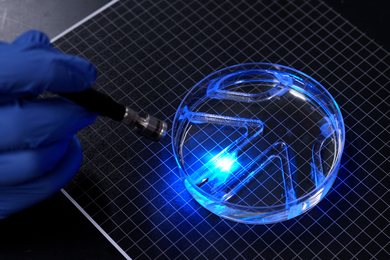
Powered by muscle cells, a paper-thin robot swims through watery maze
MIT engineers’ new aquabot offers a way to design small, efficient “biohybrid” robots.
MIT engineers’ new aquabot offers a way to design small, efficient “biohybrid” robots.
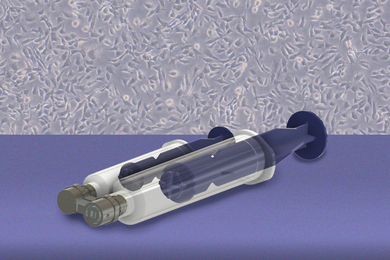
MIT researchers developed a handheld system that gently collects living cells from patient samples to aid cancer testing and development of personalized medicines.

Making a decision requires juggling a set of options without getting them confused or losing track of them. A new MIT study shows how neurons encode information to maximize clarity throughout the process.
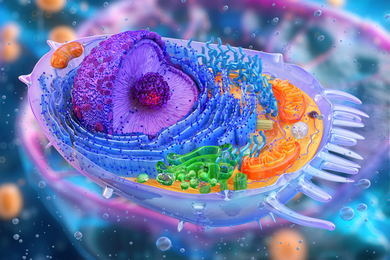
Tracking down senescent cells, which accumulate as we age, could help diagnose age-related disorders and guide researchers working on new treatments.
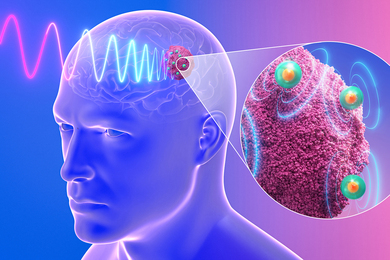
MIT researchers show implanted nanoantennas can be activated wirelessly to kill brain cancer cells without damage to healthy tissue.
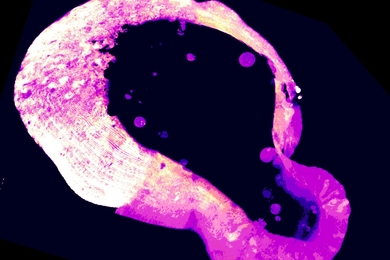
This discovery points toward new combination strategies against cancer, and may explain the iron buildup seen in disorders such as early-onset Parkinson’s disease.
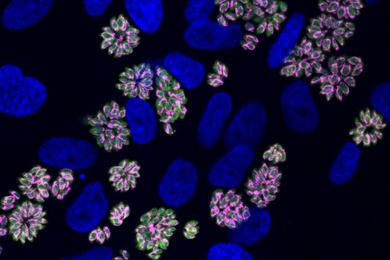
A new study by Whitehead Institute researchers identifies how the widespread parasite Toxoplasma gondii survives in crowded environments in infected cells, which helps it persist in long-lasting brain cysts.
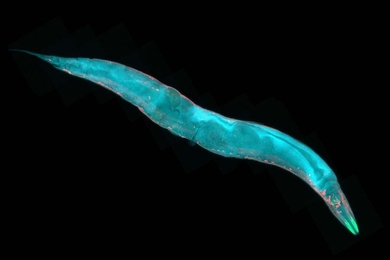
A study of worms finds a protein that helps shape the structure of the genome is critical for establishing the identity of some neurons.

MIT researchers discovered a cellular dance that may offer clues to the development of cancer, asthma, and other diseases.
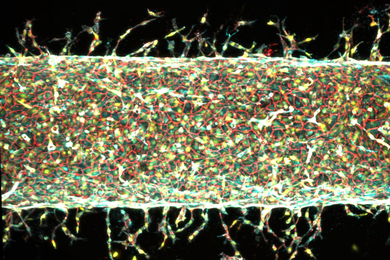
Gently stretching and pulling a “blood vessel on a chip” encourages controlled sprouting of new vessels, for possible use in artificial tissues or organs.
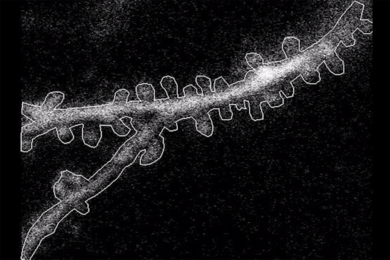
Brain cells take in many signals through thousands of circuit connections. A new study discerns the rules that turn inputs into a functional arrangement for neurons that process vision.
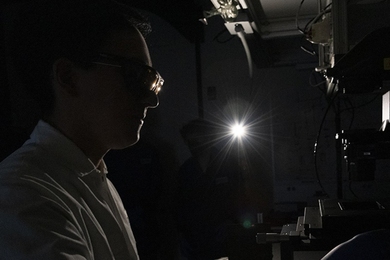
Researchers can now use custom-built microscopy and nanotechnology to tag and follow the activity of individual proteins in real-time.
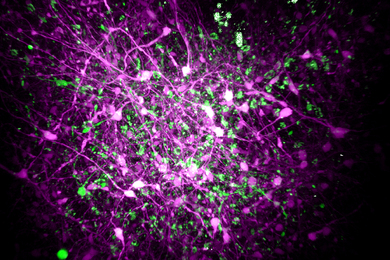
Using advanced human cell cultures, MIT researchers tracked how two different mutations alter neural circuit development, and how each could be addressed with distinct potential therapeutics.
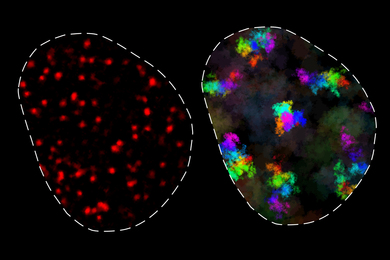
By monitoring these chromosomal structures over many timescales, MIT researchers found that chromatin helps bring genes closer to their regulatory elements.

Long thought to be mainly a structural support, the cell membrane also influences how cells respond to signals and may contribute to the growth of cancer cells.