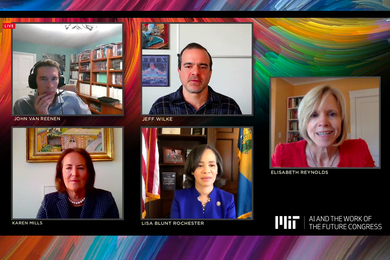
Why we shouldn’t fear the future of work
MIT task force wraps up with a final conference, sounds note of optimism that new ideas, better policies can help sustain good careers.
MIT task force wraps up with a final conference, sounds note of optimism that new ideas, better policies can help sustain good careers.
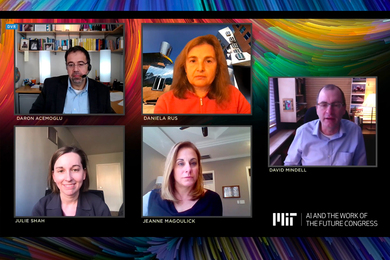
Technologies like robots and artificial intelligence could partner with humans, not oust them from work, research and business leaders say.

Professor of civil and environmental engineering honored for his continuing research in understanding and improving supply chain management.
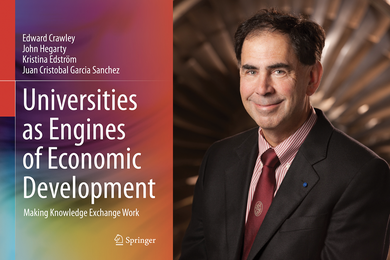
Book co-authored by Edward Crawley, Juan Cristobal Garcia Sanchez SM '20, and others demonstrates how universities can contribute to economic recovery after Covid-19.

MIT Task Force on the Work of the Future identifies ways to align new technologies with durable careers.

Innovation and entrepreneurship organizations campus-wide celebrate MIT's female entrepreneurs in November.

Professor Haoxiang Zhu’s research has gained an audience beyond academia, reaching the finance industry and its regulators.
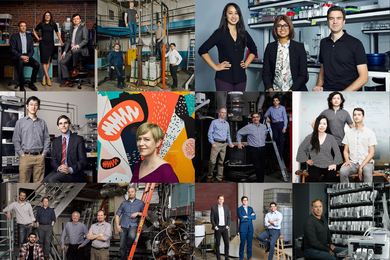
MIT spinout continues its investment in early-stage startups working to solve key challenges in climate change, human health, and advanced systems.
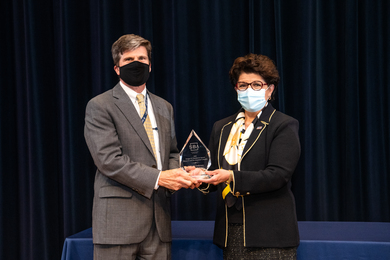
The award was given for the laboratory’s work with small businesses and commitment to help keep the small-business community thriving.

MIT Task Force on the Work of the Future looks at how the tax system has led to excessive reliance on machines.
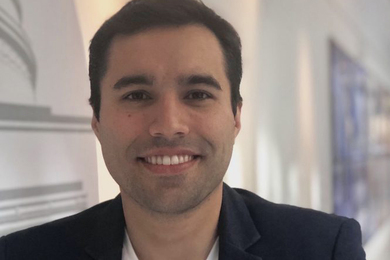
MIT Innovation Initiative Venture Builder Luis Soenksen accelerates the launch of unique AI and health care startups in record time.
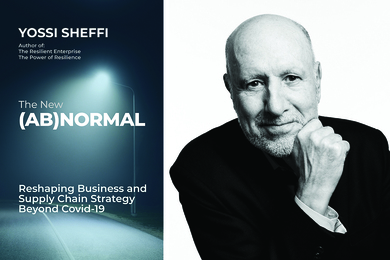
Professor Yossi Sheffi's latest book, “The New (Ab)Normal,” offers a key supply chain perspective on the pandemic.

At MIT Forefront, panelists discuss health care and work during a pandemic — and the role for business where government falls short.

MIT Professor Sinan Aral’s new book, “The Hype Machine,” explores the perils and promise of social media in a time of discord.
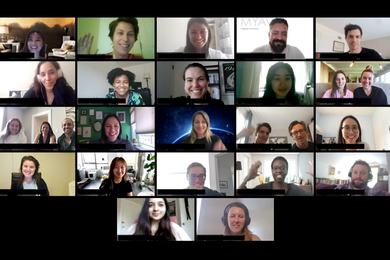
Amid new challenges, this year’s delta v program taught participants the same essential lessons about entrepreneurship.