Inside the unconscious brain
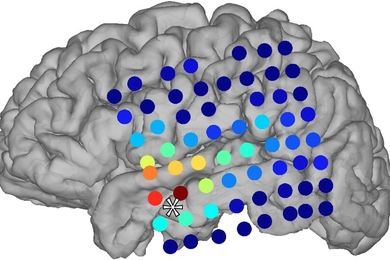
New study reveals brain-wave patterns that mark loss of consciousness during anesthesia.
New study reveals brain-wave patterns that mark loss of consciousness during anesthesia.
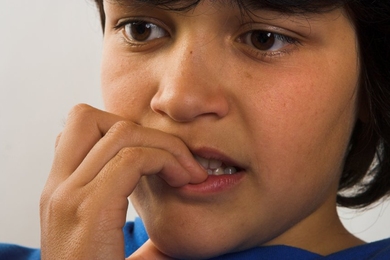
MIT neuroscientists identify a brain region that can switch between new and old habits.
Collaboration unites Picower Institute at MIT with MD Anderson Cancer Center and Baylor College of Medicine.
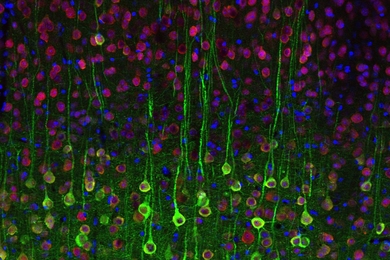
New way to image brain-cell activity could shed light on autism and other psychiatric disorders.
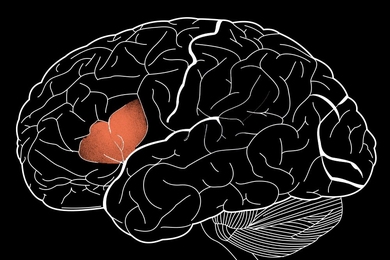
Neuroscientists find Broca’s area is really two subunits, each with its own function.

Researchers believe that information theory — the discipline that gave us digital communication — can explain differences between human languages.
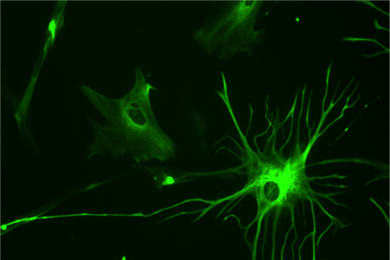
New study finds long-overlooked cells help the brain respond to visual stimuli.
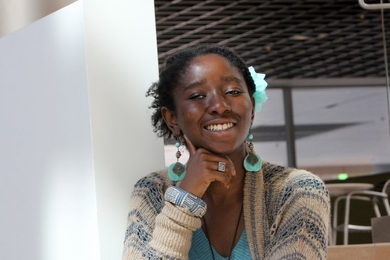
MIT senior Victoria Okuneye traveled to Mexico and Jamaica to pursue her passions for neuroscience and global service.

Brown, Gore, Ploegh and Zhang receive grants for innovative biomedical research.
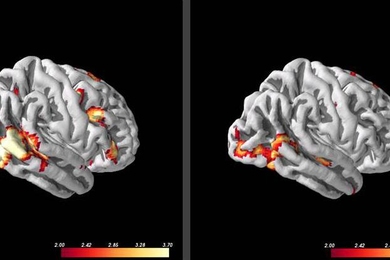
Brain scans could help doctors choose treatments for people with social anxiety disorder.
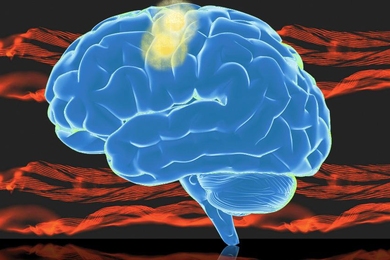
Distinctive patterns could allow doctors to develop better rehab programs for stroke patients.