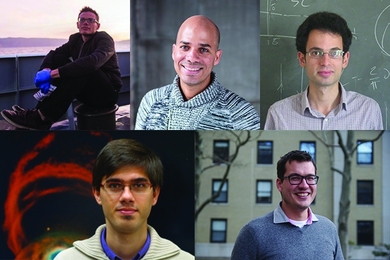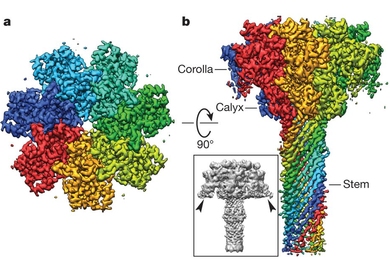
MIT receives $7.5 million to enhance structural biology research
Beckman Foundation grant helps secure cryo-electron microscopy at MIT.nano facility.
Beckman Foundation grant helps secure cryo-electron microscopy at MIT.nano facility.
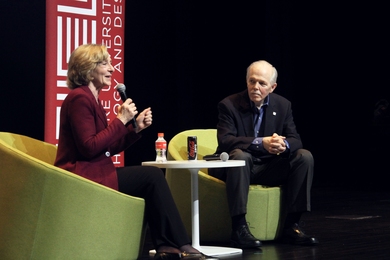
President Emerita Susan Hockfield speaks at the Iconic Voices from MIT lecture organized by the Singapore University of Technology and Design.
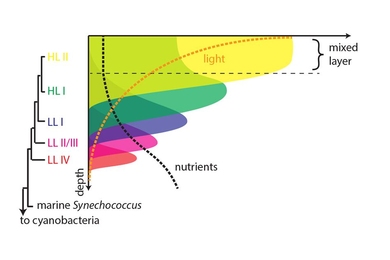
Ubiquitous marine organism has co-evolved with other microbes, promoting more complex ecosystems.

Microfluidic device generates passive hydraulic power, may be used to make small robots move.
New estimate predates earliest fossil evidence by 800 million years.
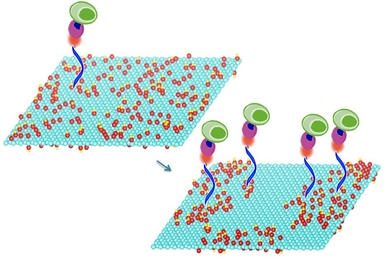
New method could enable pinpoint diagnostics on individual blood cells.
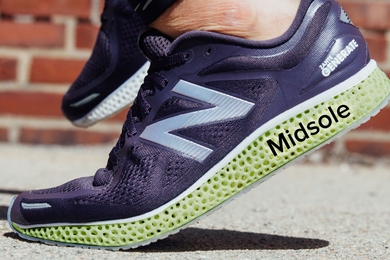
MIT lecturer Jessica Rosenkrantz writes programs mimicking processes in nature to "grow" objects that can be digitally fabricated.
![“[W]hen I came here for CPW [Campus Preview Weekend], I realized that these people were really passionate about what they were doing, and that they were doing really cool things. It’s nerdy, but it’s my kind of nerdy,” senior Hermoon Worku says.](/sites/default/files/styles/term_page__news_article/public/images/201702/MIT-HermoonWorku-A1.jpg?itok=296Nh4HY)
Senior Hermoon Worku is pursuing a career dedicated to surgery, advocacy, and teaching.
Expert on long-lived rodents provides insights into research on longevity and cancer resistance.

Professor Eric Lander, pioneer of human genomics, delivers annual Killian Lecture.
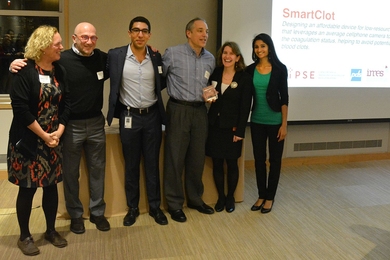
Twelve finalist teams pitched diverse new health care technologies at MIT.
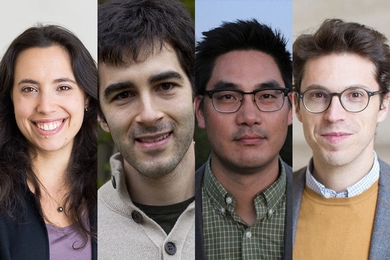
MIT's newest faculty bring a wide array of energy interests and developments to the Institute.
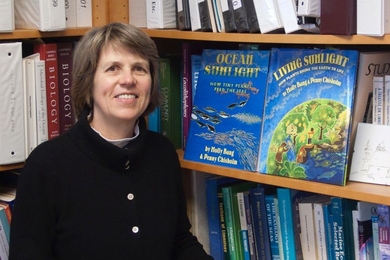
Institute Professor Penny Chisholm teams up with author and illustrator Molly Bang to write environmental children’s book series.
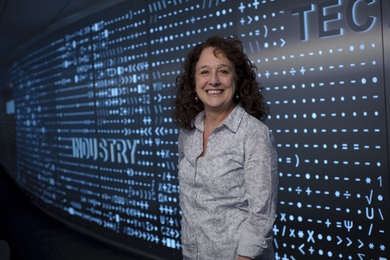
Professor Barbara Imperiali creates better biochemical tools for basic biology and drug development.