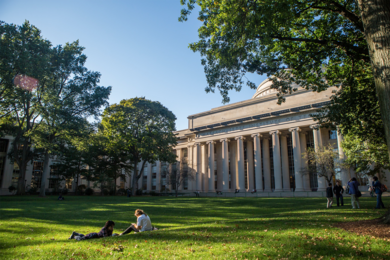
Eight from MIT elected to American Academy of Arts and Sciences for 2018
Prestigious honor society announces 213 new members this year.
Prestigious honor society announces 213 new members this year.
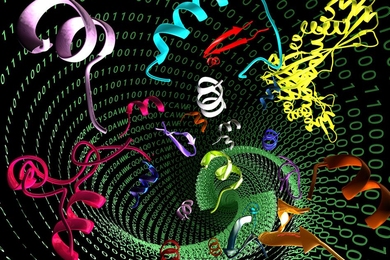
With aid of computer algorithm, researchers develop peptides more powerful than those found in nature.
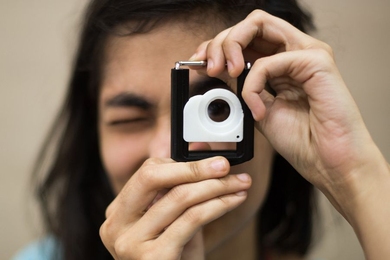
MIT principal investigators will receive funding and support for projects seeking an impact in the developing world.
![“The thing that drew me to [biological engineering] in the first place was being able to help people,” Joseph says, “and [MIT] was the only school where I felt that goal was actually true of the curriculum.”](/sites/default/files/styles/term_page__news_article/public/images/201804/MIT_Student_Joseph-A1.jpg?itok=hhLYN3S3)
MIT senior and varsity softball co-captain brings positivity and determination to life-saving biology research.
Faculty members recognized for excellence via a diverse array of honors, grants, and prizes over the last quarter.
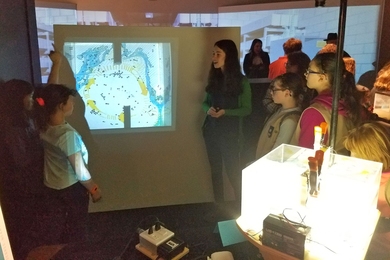
Researchers celebrate women in environmental sciences and engineering at the MIT Museum’s Girls Day.
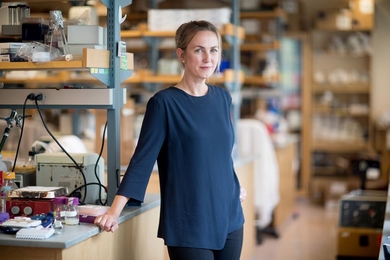
Katharina Ribbeck studies the sticky substance to uncover its impacts on health and disease.
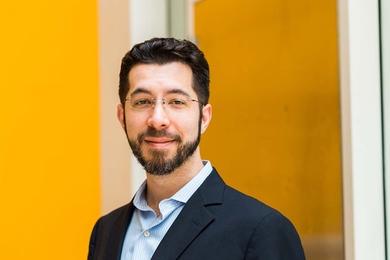
MIT scientist is among three recognized for the discovery of optogenetics.

A fascination with magic leads Institute Professor Robert Langer to solve world problems using the marvels of chemical engineering.

Chemical engineering alumna will pursue an advanced degree in engineering at Cambridge University in the U.K.
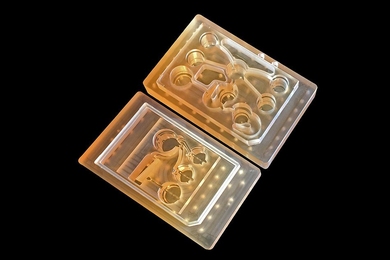
Human tissue samples linked by microfluidic channels replicate interactions of multiple organs.

MIT biological engineers discover why a promising drug failed in clinical trials.
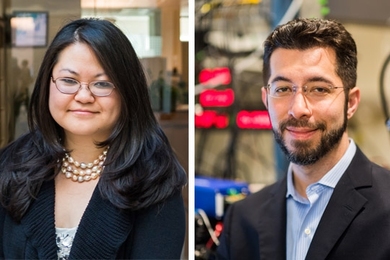
Neuroengineering leader appointed to new professorship at the McGovern Institute for Brain Research.
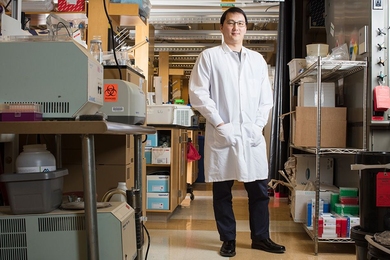
Synthetic biologist hopes to develop treatments for cancer and other diseases.
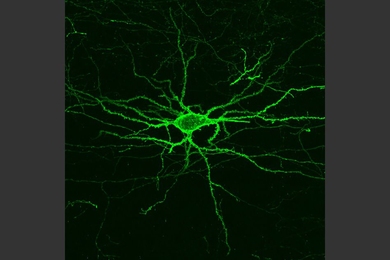
Fluorescent sensor allows imaging of neurons' electrical communications, without electrodes.