Designing better batteries for electric vehicles
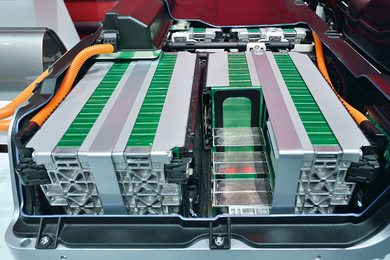
As researchers consider materials for solid-state batteries, they also may want to consider how those materials could impact large-scale manufacturing.
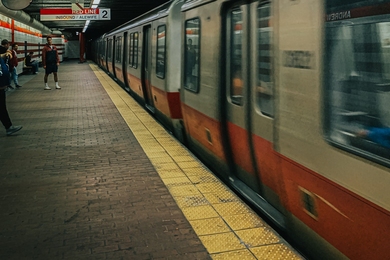
How data from Access MIT informs flexible, sustainable commutes as staff returns to campus.
Study of Beijing’s car-restriction policy underscores value of regional coordination to meet transportation and emissions goals.
By 2030, 40 percent of vehicles sold in China will be electric; MIT research finds that despite benefits, the cost to consumers and to society will be substantial.
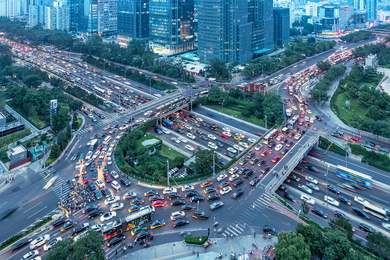
SMART research finds US road congestion increased by almost 1 percent while the duration of congestion rose by 4.5 percent.
Leveraging research done on campus, student-run MIT Driverless partners with industry collaborators to develop and test autonomous technologies in real-world racing scenarios.
Study measures which kinds of infrastructure improvements could lead to wider adoption of clean vehicles.
Proposed design could reduce nitrogen oxide emissions by 95 percent, a new study finds.
Book co-authored by Associate Professor Julie Shah and Laura Major SM ’05 explores a future populated with robot helpers.
When Covid-19 forced Edgerton Center student teams off campus, the engineers found their problem-solving skills put to the test.
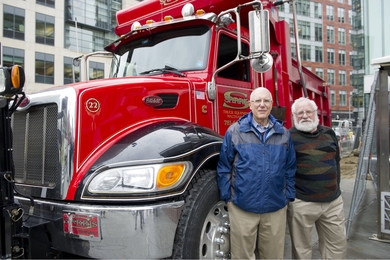
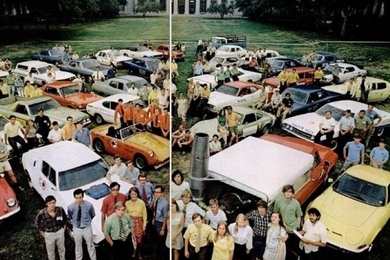
The Clean Air Car Race, which celebrated its 50th anniversary in August, had a lasting impact on the auto industry, government regulations, and the students and faculty who took part.
Topics include Covid-19 and urban mobility, strategies for electric vehicle charging networks, and infrastructure and economics for hydrogen-fueled transportation.
In the Chinese city of Chengdu, one-third of ride-sharing might replace public transit trips.
After a third-place finish at last year's Formula Student Germany, MIT Driverless team aims to compete in the $1.5 million Indy Autonomous Challenge.
DriveSeg contains precise, pixel-level representations of many common road objects, but through the lens of a continuous video driving scene.