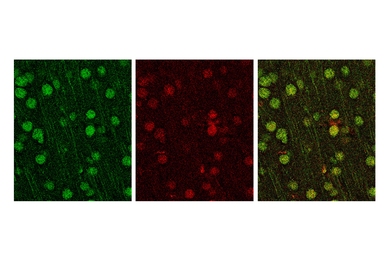
Researchers identify important role for gene in 16p11.2 deletion autism
Study finds that major vault protein is needed for homeostatic plasticity.
Study finds that major vault protein is needed for homeostatic plasticity.
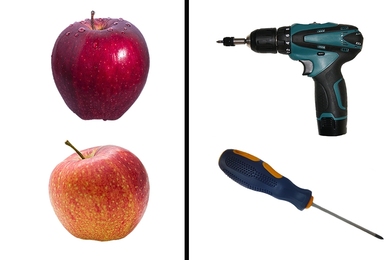
High-frequency gamma oscillations sort similar-looking objects; lower-frequency beta oscillations kick in when connections are more abstract.
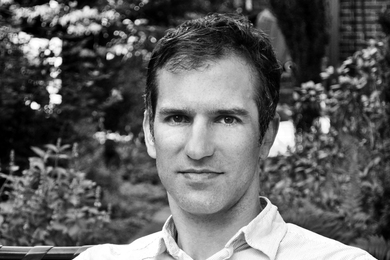
"We’ve seen too many journalists confuse not taking sides with not calling out liars and frauds," says MIT researcher and author.
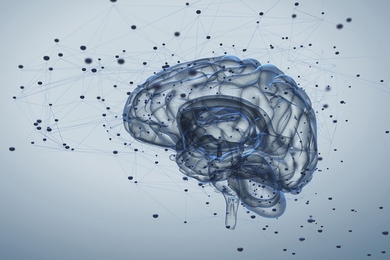
Studies in mice show improved social interaction and cognition from a potential therapeutic for a syndrome that often results in autism.
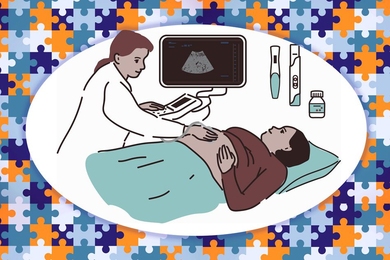
Bacterial populations in mother’s GI tract may play a central role.

A $20 million gift from Lisa Yang and Hock Tan ’75 SM ’75 will catalyze multidisciplinary autism research.
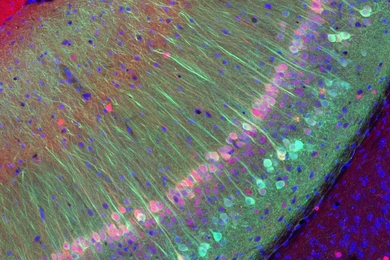
Cells in the hippocampus store memories of acquaintances, a new study reports.
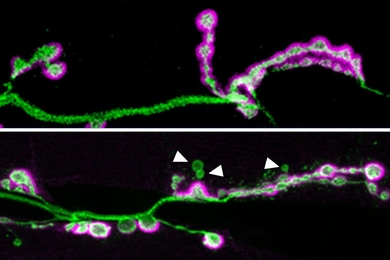
Loss of Shank gene prevents neuronal synapses from properly maturing.

Pawan Sinha explores the cognitive dynamics behind our visual understanding of the world around us.
!["[W]e hope that our studies of vps-50 will provide insights into human neuropsychiatric disorders,” H. Robert Horvitz says.](/sites/default/files/styles/term_page__news_article/public/images/201603/MIT-BehavorialStates.jpg?itok=0Jejll8C)
Gene required for the control of behavioral state is also found in humans, may be linked to autism.
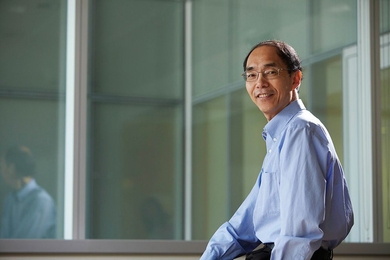
Turning on a gene later in life can restore typical behavior in mice.
Immune molecules in infected mothers tied to brain and behavior abnormalities in offspring.
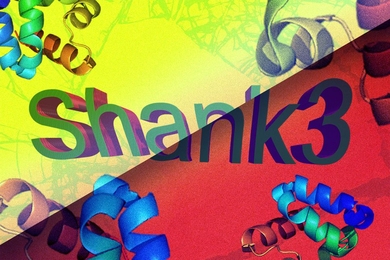
Neuroscientists unravel Shank3 gene’s role in autism and schizophrenia.
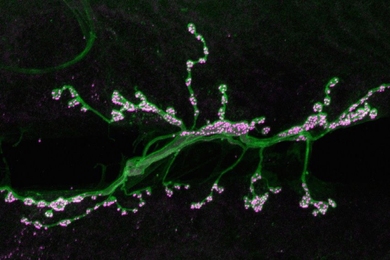
Newly identified mechanism allows the brain to strengthen links between neurons.
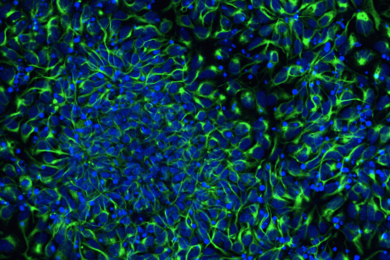
Taking advantage of genetic heterogeneity in autism and other neurodevelopmental disorders could lead to precision therapies.