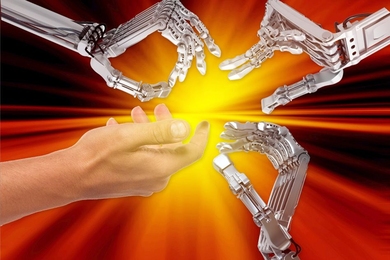
Enabling human-robot rescue teams
System could help prevent robots from overwhelming human teammates with information.
System could help prevent robots from overwhelming human teammates with information.

Advance could enable mobile devices to implement “neural networks” modeled on the human brain.
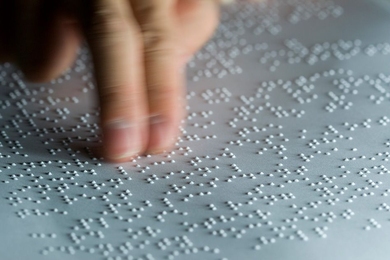
Low-power chip processes 3-D camera data, could enable wearable device to guide the visually impaired.
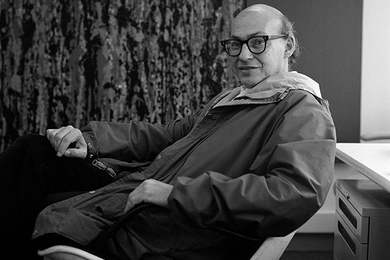
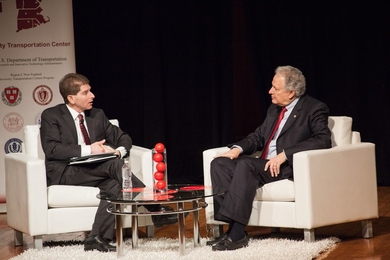
Professor emeritus was a co-founder of CSAIL and a founding member of the Media Lab.
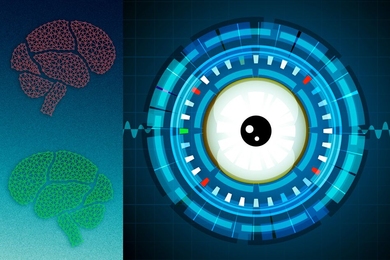
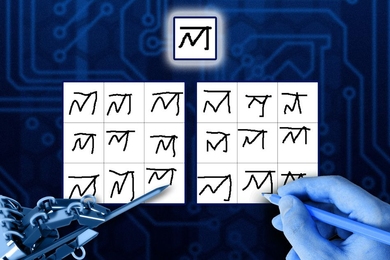
Algorithms could learn to recognize objects from a few examples, not millions; may better model human cognition.
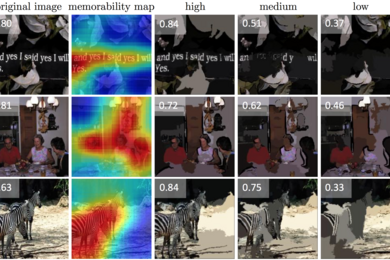
Future versions of an algorithm from the Computer Science and Artificial Intelligence Lab could help with teaching, marketing, and memory improvement.
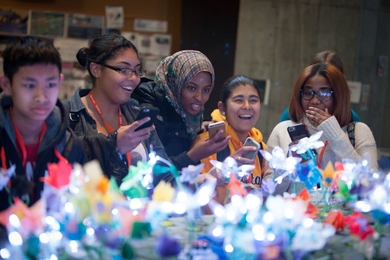
Robots, 3-D printers, and a surprise guest aim to get students excited about computer science.
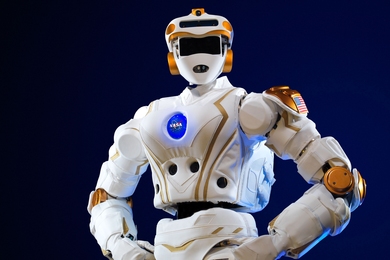
Team led by Professor Russ Tedrake of CSAIL to develop algorithms for 6-foot-tall “Valkyrie” robot to travel to Mars and beyond.

Technique for mobile image processing in the cloud cuts bandwidth use by more than 98 percent.
System that replaces human intuition with algorithms outperforms 615 of 906 human teams.
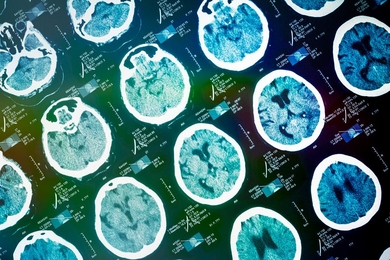
Combining MRI and other data helps machine-learning systems predict effects of neurodegenerative disease.