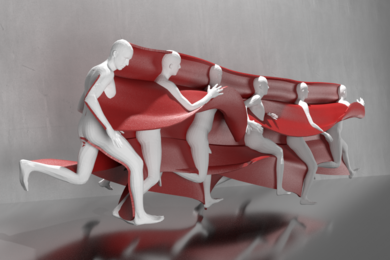
Creating 3-D-printed “motion sculptures” from 2-D videos
CSAIL system could help athletes, dancers, and others better analyze how they move.
CSAIL system could help athletes, dancers, and others better analyze how they move.
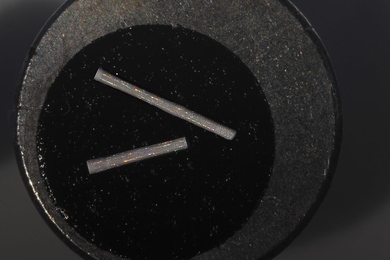
Technique could be used to scale-up self-assembled materials for use as optical sensors, color displays, and light-guided electronics.
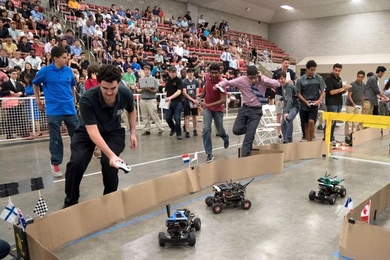
High school students explored engineering and technology at the Beaver Works Summer Institute, ending with robot races and demonstrations.
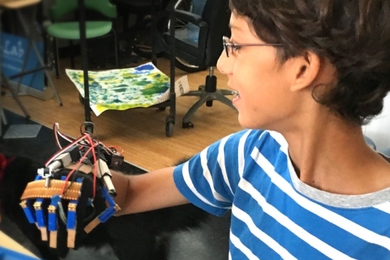
Visiting students learn what it takes to be an engineer — and a bit more about themselves — at the Edgerton Center’s annual Engineering Design Workshop.
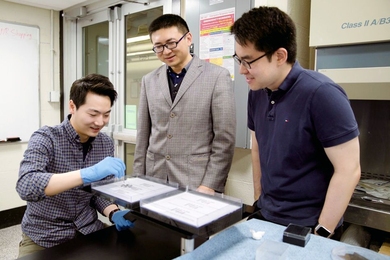
New printing technique could be used to develop remotely controlled biomedical devices.
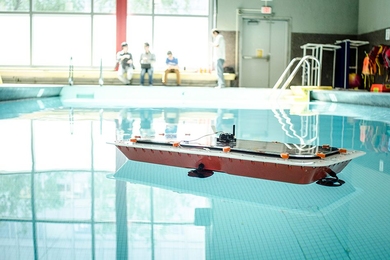
Researchers design 3-D-printed, driverless boats that can provide transport and self-assemble into other floating structures.
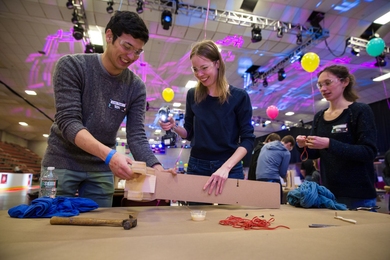
Over 700 students and makers joined in the first annual participatory showcase of fabrication and crafts around the Institute.
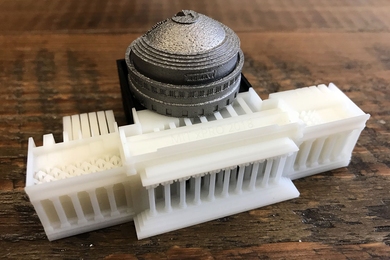
New online course will enable professionals to invent and implement innovative 3-D-printing applications.
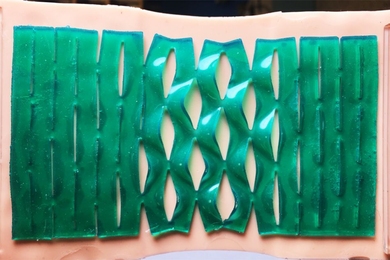
Cutting kirigami-style slits in stretchy films could make for bandages, heat pads, and wearable electronics that adhere to flexible surfaces.
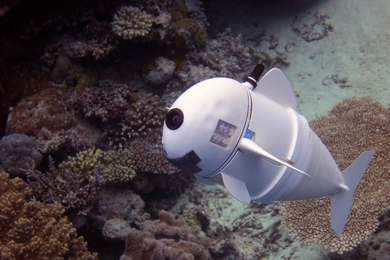
Made of silicone rubber, CSAIL’s “SoFi” could enable a closer study of aquatic life.

Chemical engineering alumna will pursue an advanced degree in engineering at Cambridge University in the U.K.
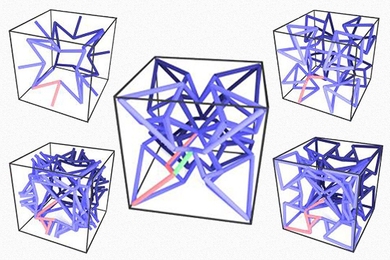
With new approach, researchers specify desired properties of a material, and a computer system generates a structure accordingly.
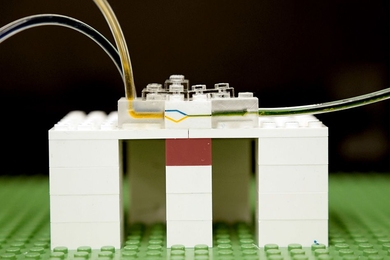
MIT engineers make microfluidics modular using the popular interlocking blocks.
CSAIL system uses custom ink and ultraviolet light to repeatedly change an object's color.
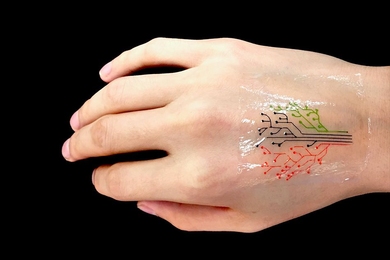
New technique 3-D prints programmed cells into living devices for first time.