3 Questions: How philosophy can address the problem of climate change MIT professor of philosophy Kieran Setiya explores how individuals and societies can think about and act on climate change. February 8, 2017 Read full story →
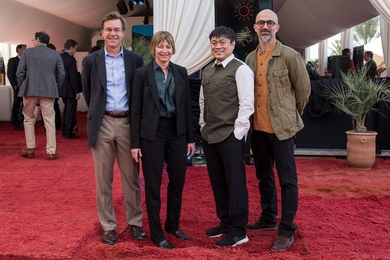
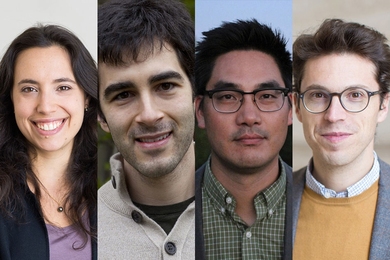
New faculty strengthen, broaden MIT’s energy expertise MIT's newest faculty bring a wide array of energy interests and developments to the Institute. February 7, 2017 Read full story →
Tapping the hidden value of farm waste MIT researchers are developing mobile torrefaction technology that can convert biomass into clean-burning fuel, unlocking potential income for farmers. January 25, 2017 Read full story →
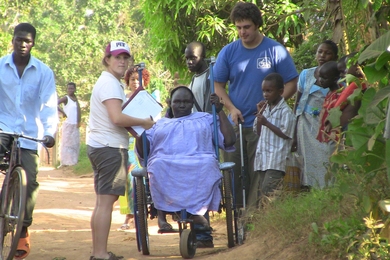
Building the mountain bike of wheelchairs An MIT professor helped turn a class project into a mass-produced product that is helping people in developing countries. January 23, 2017 Read full story →
Jiwon Park: Reaching out to the world MIT senior leads diverse projects to help women and students in developing countries. January 23, 2017 Read full story →
Two from MIT honored at World Technology Awards PhD candidate Maher Damak and Professor Moungi Bawendi recognized for advances in engineering and chemistry. January 20, 2017 Read full story →
Kripa Varanasi: Innovating at interfaces MIT engineer’s research on surfaces is improving everything from power plants to ketchup bottles. January 19, 2017 Read full story →
How engineering students are seeking to solve major food and water security problems Students with a common passion for food and water security share their research at the MIT Water and Food Security Symposium. January 9, 2017 Read full story →
DesignX selects first cohort Eight student teams join MIT’s newest entrepreneurship accelerator. December 14, 2016 Read full story →
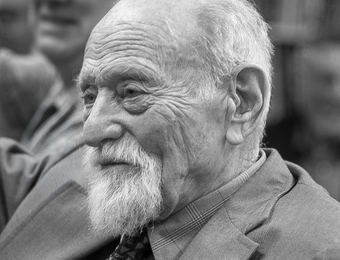
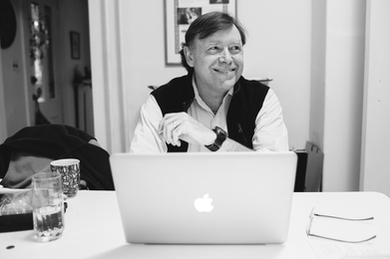
Richard Held, professor emeritus of brain and cognitive sciences, dies at 94 Longtime professor and former department head spent a lifetime investigating the mechanisms of visual perception. December 9, 2016 Read full story →
MIT announces MITx MicroMasters program in development economics, with path to full master’s degree Institute to offer its first “blended-only” master’s program, in data, economics, and development policy. December 5, 2016 Read full story →
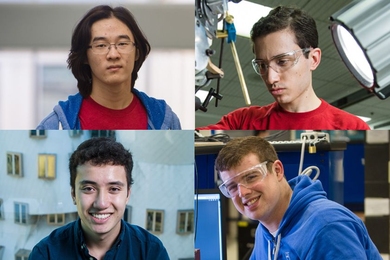
Four MIT students named 2017 Marshall Scholars Matthew Cavuto, Zachary Hulcher, Kevin Zhou, and Daniel Zuo will pursue two years of study in the U.K. November 28, 2016 Read full story →
Enhancing education from pre-K to MIT and beyond Two new initiatives take an in-depth look at learning. November 23, 2016 Read full story →
Forging ahead on climate action At UN Climate Change Conference, MIT researchers share insights on implementing climate commitments. November 22, 2016 Read full story →
Stephen Connors, leading alternative energy researcher, dies at 58 MIT researcher helped to make solar and wind power mainstream. November 18, 2016 Read full story →

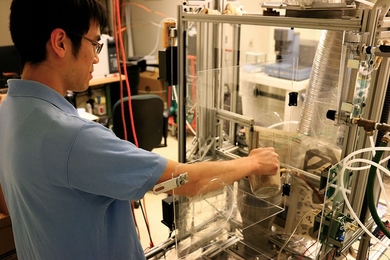
![“MIT has not only provided a very valuable classroom experience, but also given me all these other tools in research, technology innovations, and social entrepreneurship that I can take and [use to] help people in developing countries,” says Jiwon Park, a chemistry major, global traveler, and accomplished pianist.](/sites/default/files/styles/search_result_item/public/images/201701/MIT-Jiwon-Park-01.jpg?itok=Y_d0NVh_)