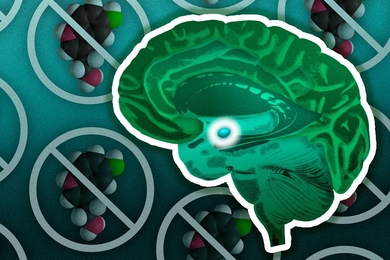
Possible new weapon against PTSD
Blocking a newly identified memory pathway could prevent the disorder.

“Grey swan” cyclones predicted to be more frequent and intense
Study finds some coastal regions may face a risk of unprecedented storm surge in the next century.

Can rain clean the atmosphere?
Study explains how rain droplets attract aerosols out of the atmosphere.
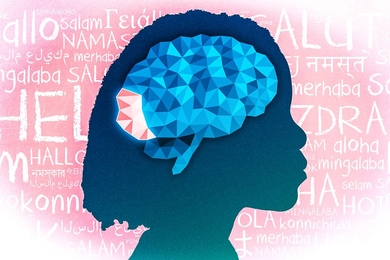
Young brains can take on new functions
Visual cortex of blind children can be remodeled to process language.

Nuts, bolts, and slurry walls
A how-it’s-made seminar series shines light on MIT.nano, an historic campus construction project.
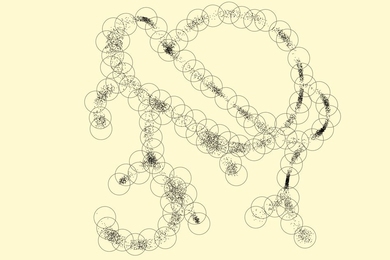
Searching big data faster
Theoretical analysis could expand applications of accelerated searching in biology, other fields.
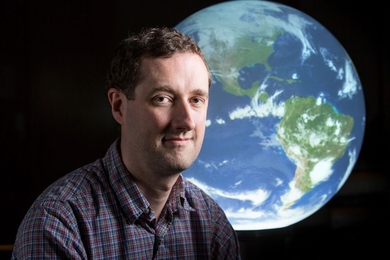
Paul O’Gorman: Extreme storm modeler
Atmospheric scientist tracks climate change’s effects on extreme storms.
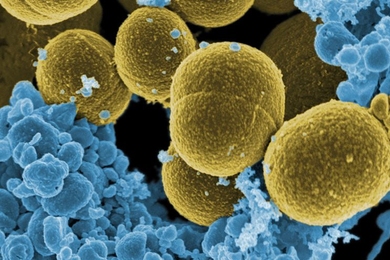
Protein found to play a key role in blocking pathogen survival
Calprotectin fends off microbial invaders by limiting access to iron, an important nutrient.
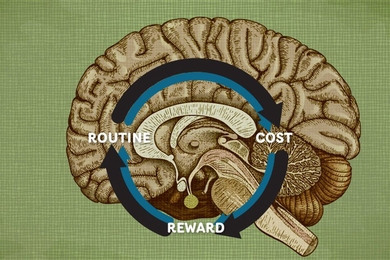
Wired for habit
Researchers discover neurons in the brain that weigh costs and benefits to drive formation of habits.
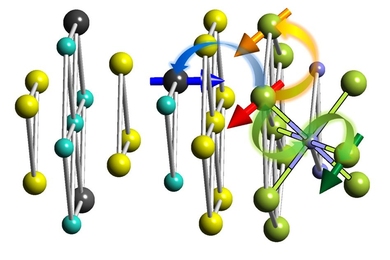
Unusual magnetic behavior observed at a material interface
Findings could lead to a building block for future quantum computers, and a research tool for physics.
Researchers pioneer use of capsules to save materials, streamline chemical reactions
Wax capsule delivery systems can simplify a wide range of chemistry transformations.
Better estimates of worldwide mercury pollution
New findings show Asia produces twice as much mercury emissions as previously thought.
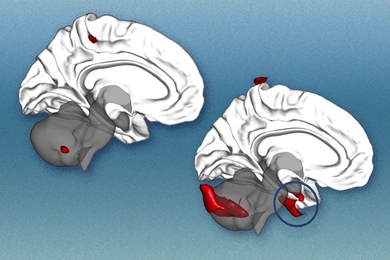
Toward smarter selection of therapy for psychiatric disorders
Researchers find that brain scans can predict the success of treatment for social anxiety disorder.