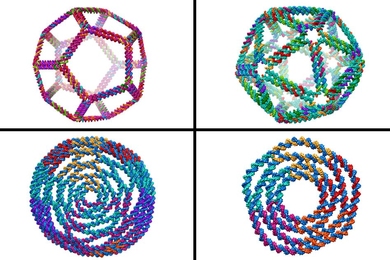
Computer model enables design of complex DNA shapes
Engineers computer-design the most complicated 3-D structures ever made from DNA.
Engineers computer-design the most complicated 3-D structures ever made from DNA.

Study shows that the effects of smaller eruptions have been underestimated in climate models.
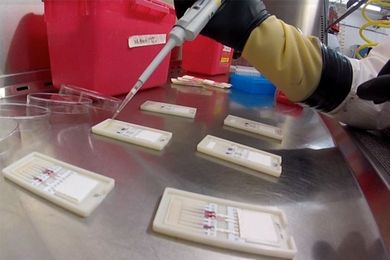
Simple device now in development could speed diagnosis and improve disease tracking.
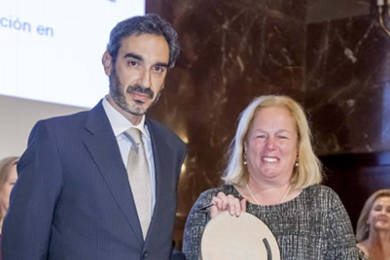
Madrid-MIT collaboration recognized for accelerating health technology innovation.
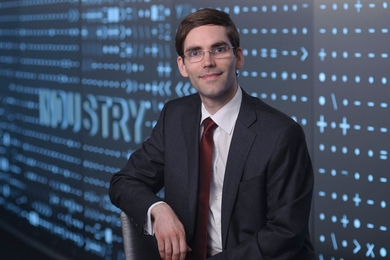
Tomás Palacios explores the application of novel materials in next-generation electronics to save energy and expand possibilities.
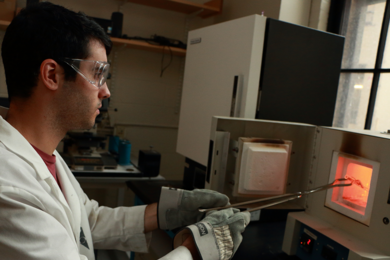
MIT graduate student Zack Cordero deforms and compacts chromium-tungsten powders to create stronger metals with nanoscale microstructure.
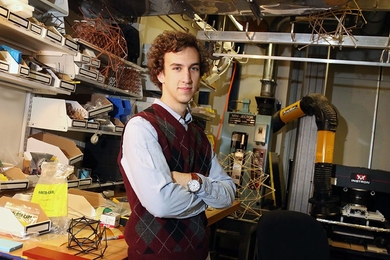
Mechanical engineering major will attend Cambridge University next year for graduate study.
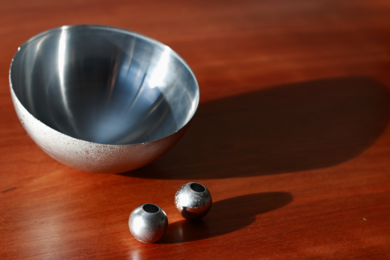
Xtalic focuses on gold substitute, aluminum products following success with connector coatings.
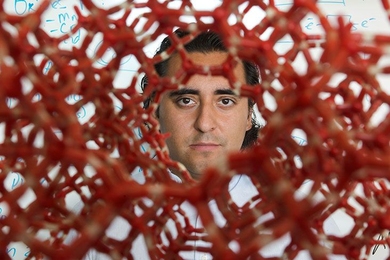
Yuriy Román knew that to change the future of catalysis he’d have to cross the boundary between chemical engineering and materials science.
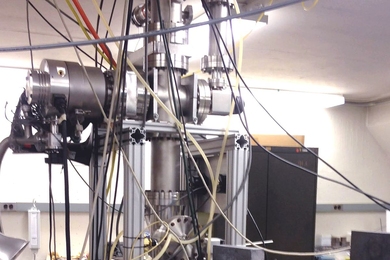
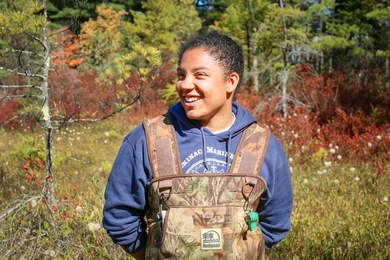
CEE senior Theresa Oehmke pursues her interest in interactions between land and water.

On Dec. 3, Edivandro Conforto will discuss the agility theory for innovative and dynamic product development projects.

Based on an original design for use in developing countries, new Freedom Chair is specially designed for U.S. and European markets.
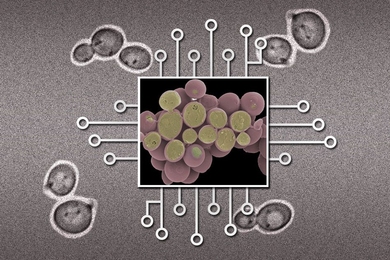
Innovation from MIT could allow many biological components to be connected to produce predictable effects.
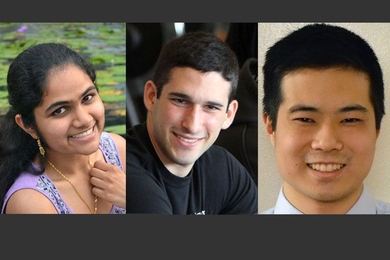
Elliot Akama-Garren ’15, Anisha Gururaj ’15, and Noam Angrist ’13 are among 32 winners nationwide.