
Sharing data links in networks of cars
A new algorithm lets networks of Wi-Fi-connected cars, whose layout is constantly changing, share a few expensive links to the Internet.
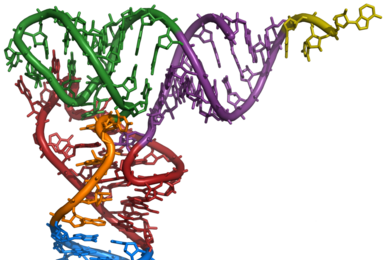
Genetic 911: Cells’ emergency systems revealed
Study examines how cells exploit gene sequences to cope with toxic stress.
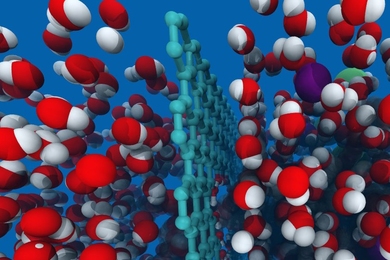
A new approach to water desalination
Graphene sheets with precisely controlled pores have potential to purify water more efficiently than existing methods.
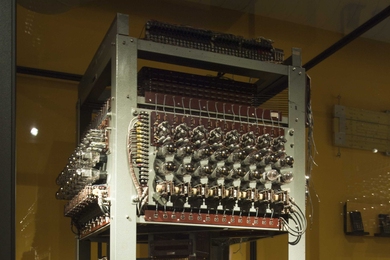
IEEE honors MIT milestones in computing and navigation
World’s first real-time digital computer and electronic navigation system are commemorated in Boston.

Student teams tackle Third World health care issues
LGO students add operations expertise to ghdLab projects

Communication scheme makes popular applications ‘gracefully mobile’
New MIT software keeps tens of thousands of people logged into remote computers from mobile devices, but the underlying technology could improve a host of other programs.

Lead from gasoline discovered in Indian Ocean
Levels began to climb in the 1970s, peaking a decade ago — a timeline consistent with the region’s pattern of leaded gasoline use.
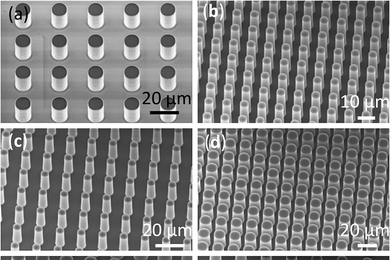
Better surfaces could help dissipate heat
Heat transfer in everything from computer chips to powerplants could be improved through new analysis of surface textures.

Computer science tackles 30-year-old economics problem
MIT researchers generalize Nobel winner’s work on single-item auctions to auctions involving multiple items.
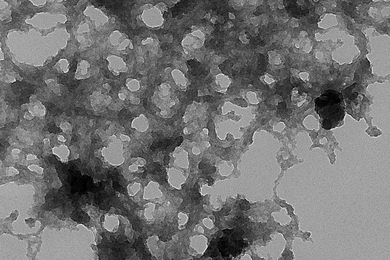
New technique allows simulation of noncrystalline materials
Multidisciplinary team develops mathematical approach that could help in simulating materials for solar cells and LEDs.

Researchers amplify variations in video, making the invisible visible
New software amplifies changes in successive frames of video that are too subtle for the naked eye.

All-carbon solar cell harnesses infrared light
New type of photovoltaic device harnesses heat radiation that most solar cells ignore.

Making it easier to build secure Web applications
New programming tools handle security checks automatically but should prove much more intuitive than their predecessors.
Sharper ultrasound images could improve diagnostics
New system developed at MIT allows precise measurements and tracking of disease progression.