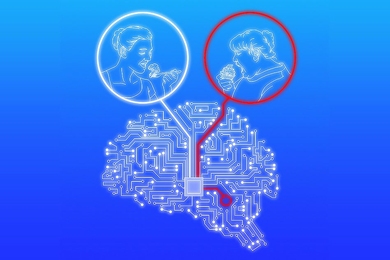
Decoding sugar addiction
Separate neural circuits control sugar cravings and healthy eating, researchers find.
Separate neural circuits control sugar cravings and healthy eating, researchers find.
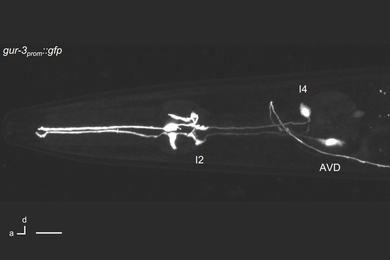
Newly discovered taste receptors for hydrogen peroxide allow worms to indirectly detect light.
Glue can be modified for optimal performance in different types of diseased tissue.

Study finds the demand for positions strongly influences medical residents’ salaries.

Newly tenured biological engineer Ernest Fraenkel goes where the numbers lead.
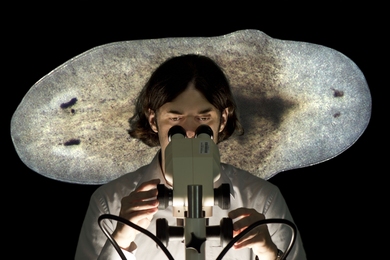
Peter Reddien believes human stem cells could one day be regulated to replace aged, damaged, and missing tissues.

MIT professor is lead scientist on three-year mission to study how soil, water, and carbon interact.
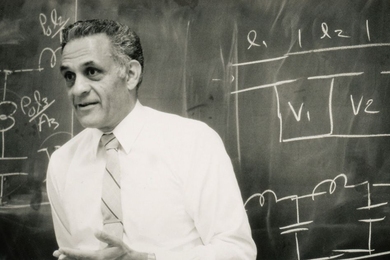
Five researchers embark on high-risk ventures, supported by Prof. Amar G. Bose Research Grants.
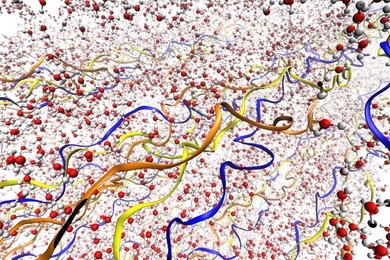
Experiments and simulations show that adding or removing water makes the material push and pull.
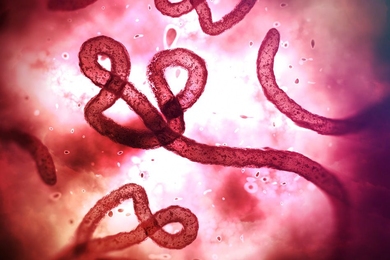
Research on disease transmission through aerosol droplets raises questions about Ebola’s spread.
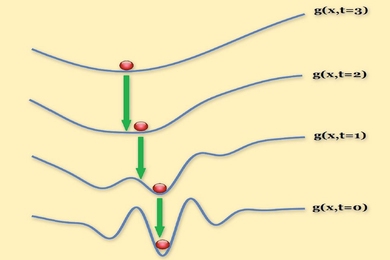
Analysis shows how to get the best results when approximating solutions to complex engineering problems.

Study finds a natural impediment to the long-term sequestration of carbon dioxide.
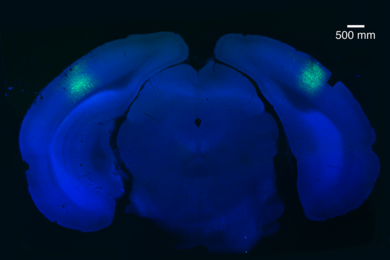
Discovery could lead to new treatments for cognitive disorders including autism and schizophrenia.

New analysis shows a way to self-propel subatomic particles, extend the lifetime of unstable isotopes.
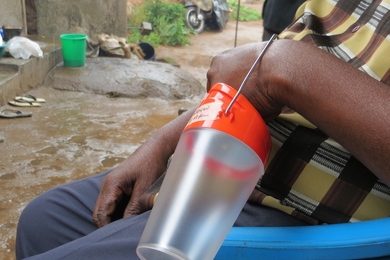
First report of Comprehensive Initiative on Technology Evaluation offers new framework for assessment.