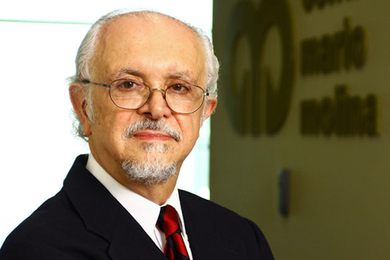
Institute Professor Emeritus Mario Molina, environmental leader and Nobel laureate, dies at 77
The atmospheric chemist shared the Nobel Prize for the discovery that chemicals known as CFCs deplete the ozone layer.
The atmospheric chemist shared the Nobel Prize for the discovery that chemicals known as CFCs deplete the ozone layer.
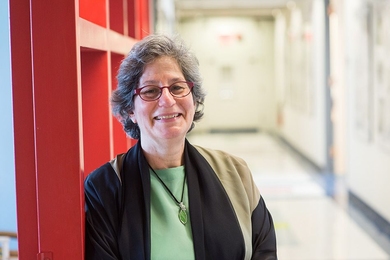
Atmospheric chemist is recognized for her “leadership in working toward real-world solutions to address the global climate crisis.”
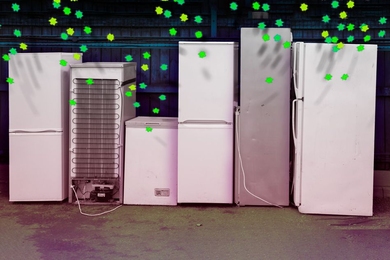
Recovering and safely destroying the sources of these chemicals could speed ozone recovery and reduce climate change.
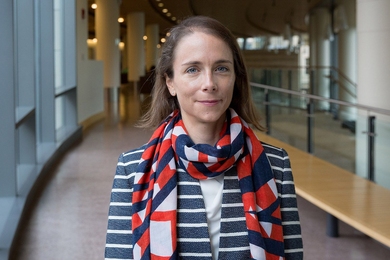
Evaluating a 2014 policy change yields some good news and some concerns.
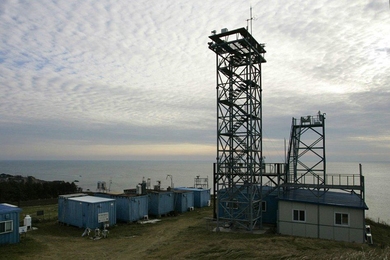
Despite global phase-out, the ozone-depleting chemical is still in production in eastern China.
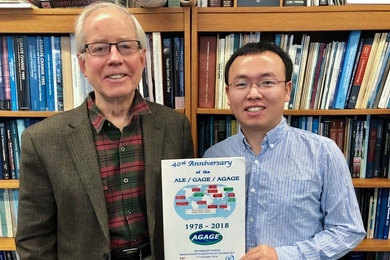
Study finds chloroform emissions, on the rise in East Asia, could delay ozone recovery by up to eight years.
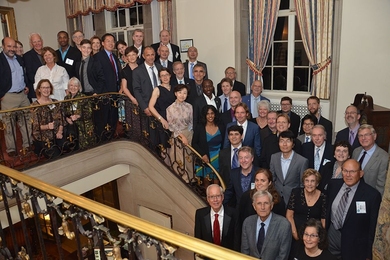
The AGAGE network celebrates 40 years of measuring ozone-depleting and climate-warming gases.
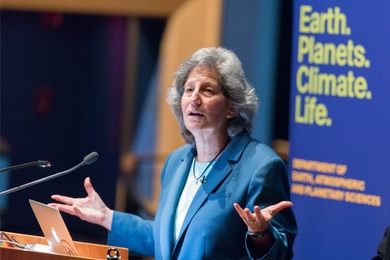
Susan Solomon's John H. Carlson Lecture examines past environmental challenges in the context of today's fight against climate change.

Estimate will help gauge hang time of greenhouse gases, water vapor, and ozone in upper atmosphere.
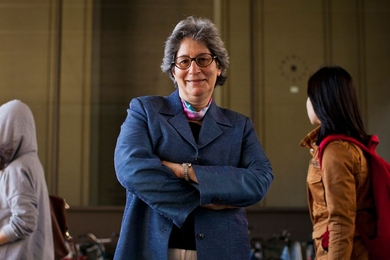
Professor of atmospheric chemistry honored for her contributions to atmospheric science.
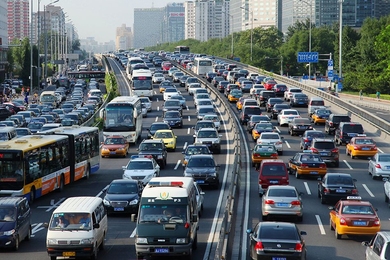
Combining climate policy and vehicle emissions standards could pack a one-two punch.
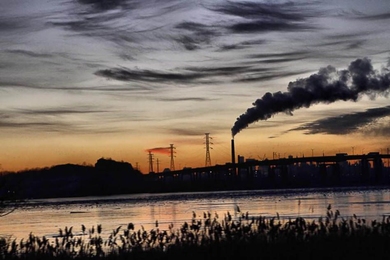
New toolset evaluates economic impacts of ozone reduction policies for nine income groups.
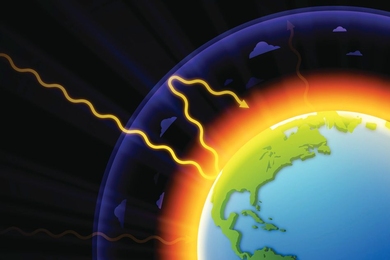
Carbon dioxide isn’t the only one that matters, and the gases vary widely in potency and duration.
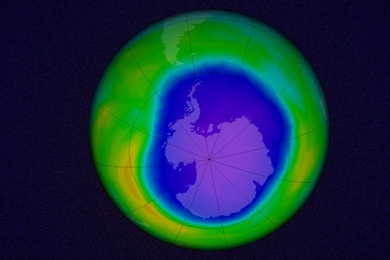
September ozone hole has shrunk by 4 million square kilometers since 2000.

Research suggests Antarctica and the Southern Ocean may be experiencing a period of cooling before warming takes over, thanks to the ozone hole.