
Who we become when we talk to machines
Professor Sherry Turkle’s new book, “Artificial Intimacy,” offers a withering critique of chatbots and the antisocial dynamics she believes they encourage.
Professor Sherry Turkle’s new book, “Artificial Intimacy,” offers a withering critique of chatbots and the antisocial dynamics she believes they encourage.

A new language-processing tool could help identify the highest-risk individuals from natural language, enabling swifter interventions.
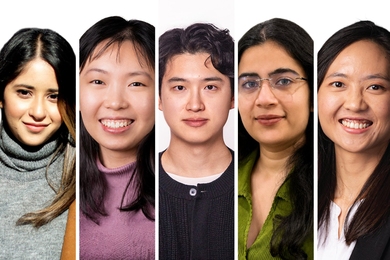
Patricia and James Poitras ’63 provide fellowships for graduate students and postdocs who will shape the future of mental health research.
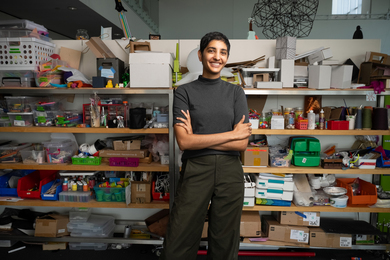
The PhD student works to give young people an active role in shaping digital technologies that can support their own well-being.

A new online platform helps engineers look beyond survival mode when designing habitats for extreme living conditions.
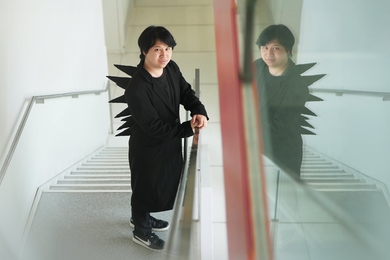
Assistant Professor Pat Pataranutaporn describes a new interface that lets everyday users glimpse inside an AI's neural network before their chatbot ever says a word.

An extensive study of U.S. cities identifies walkable neighborhoods, urban greenery, and access to amenities as key contributors to residents’ health.
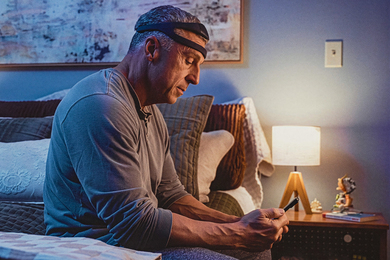
Founded by Jake Donoghue PhD ’19 and former MIT researcher Jarrett Revels, the company is creating an AI-driven platform to help diagnose and treat disease.
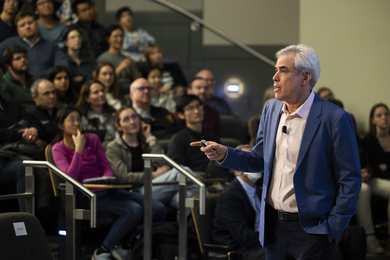
In Compton Lecture at MIT, social psychologist Jonathan Haidt warns of dramatic global decay in cognition, attention spans, and civic life, and urges curbs to tech use.
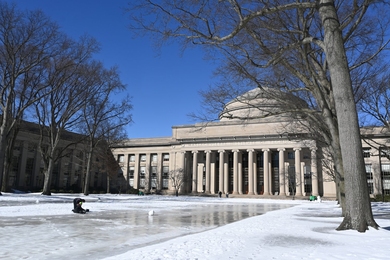
Princeton Review recognizes MIT as one of 30 institutions with a strong commitment to mental health and well-being.
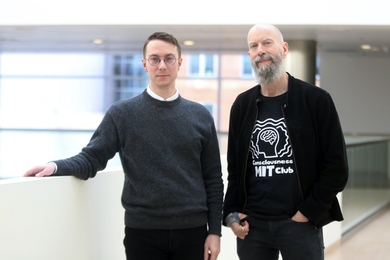
Through the MIT Consciousness Club, professors Matthias Michel and Earl Miller are exploring how neurological activity gives rise to human experience.

Media Lab PhD student Kimaya Lecamwasam researches how music can shape well-being.
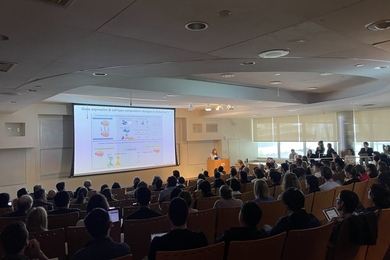
Speakers at MIT’s Aging Brain Initiative symposium described how immune system factors during aging contribute to Alzheimer’s, Parkinson’s and other conditions. The field is leveraging that knowledge to develop new therapies.
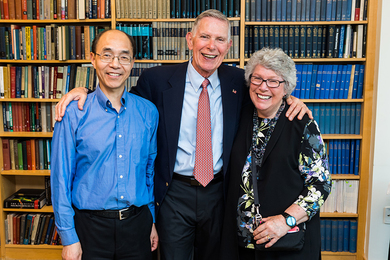
A commitment from longtime supporters Patricia and James Poitras ’63 initiates multidisciplinary efforts to understand and treat complex psychiatric disorders.

The ingestible capsule forms a drug depot in the stomach, gradually releasing its payload and eliminating the need for patients to take medicine every day.