
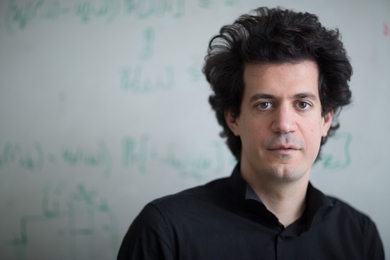
Computer science meets economics
Constantinos Daskalakis adapts techniques from theoretical computer science to game theory.

A virtual “guide dog” for navigation
Low-power chip processes 3-D camera data, could enable wearable device to guide the visually impaired.

Recognizing correct code
Automatic bug-repair system fixes 10 times as many errors as its predecessors.
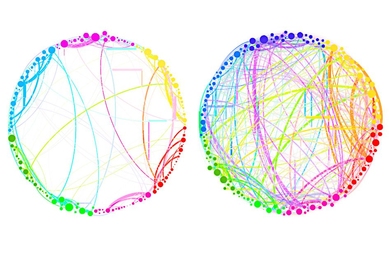
A new quantum approach to big data
System for handling massive digital datasets could make impossibly complex problems solvable.
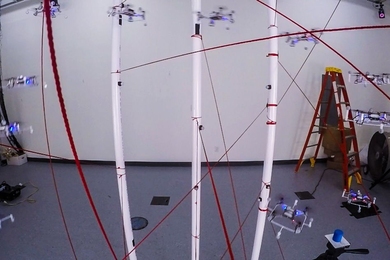
Drones dodge obstacles
Motion-planning algorithms allow drones to do donuts, figure-eights in object-filled environments.

Cutting down runway queues
Model that predicts time from gate departure to takeoff could cut airport congestion, fuel waste.
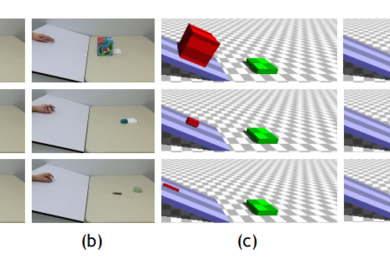
Computer model matches humans at predicting how objects move
“3-D physics engine” from the Computer Science and Artificial Intelligence Laboratory simulates the human brain to infer physical properties.
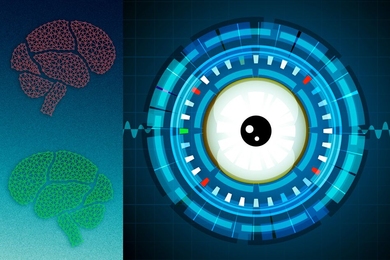
Machines that learn like people
Algorithms could learn to recognize objects from a few examples, not millions; may better model human cognition.
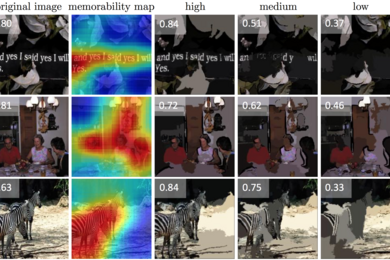
Deep-learning algorithm predicts photos’ memorability at “near-human” levels
Future versions of an algorithm from the Computer Science and Artificial Intelligence Lab could help with teaching, marketing, and memory improvement.

CSAIL shows off demos to 150 high-schoolers for “Hour of Code”
Robots, 3-D printers, and a surprise guest aim to get students excited about computer science.
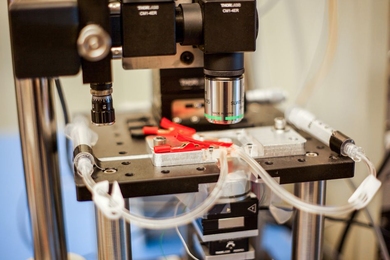
New microscope creates near-real-time videos of nanoscale processes
Instrument scans images 2,000 times faster than commercial models.

3Q: Scott Aaronson on Google’s new quantum-computing paper
Google experiments suggest that the D-Wave computer exploits quantum phenomena.

Data, drones, and 3-D-printed hearts
Looking back on the year that was: Highlights from the Computer Science and Artificial Intelligence Lab in 2015.
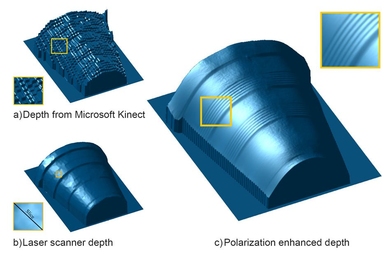
Making 3-D imaging 1,000 times better
Algorithms exploiting light’s polarization boost resolution of commercial depth sensors 1,000-fold.