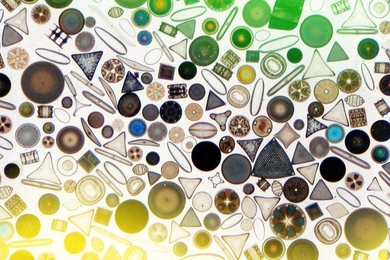
Ocean acidification may cause dramatic changes to phytoplankton
Study finds many species may die out and others may migrate significantly as ocean acidification intensifies.
Study finds many species may die out and others may migrate significantly as ocean acidification intensifies.

Weyl points, first predicted in 1929, observed for the first time.

Model could help engineers design erosion-prevention strategies in marshes, wetlands, aquatic forests.

At near absolute zero, molecules may start to exhibit exotic states of matter.
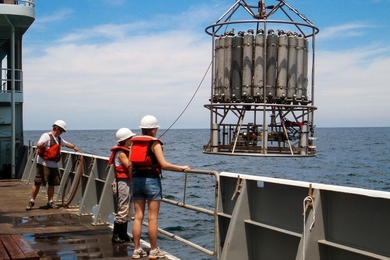
Cycling of nitrous oxide, a potent greenhouse gas, is more intense than thought, and emissions are increasing.
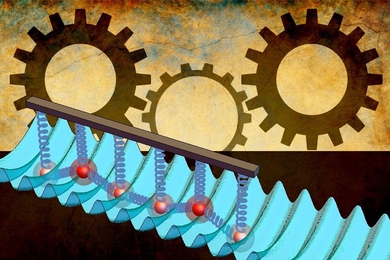
In tuning friction to the point where it disappears, technique could boost development of nanomachines.
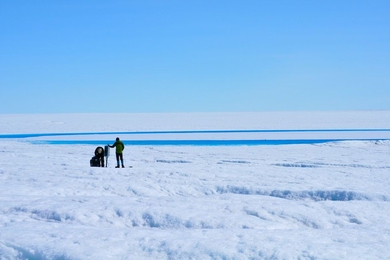
Draining lakes are unlikely to increase the Greenland ice sheet’s contribution to sea-level rise.
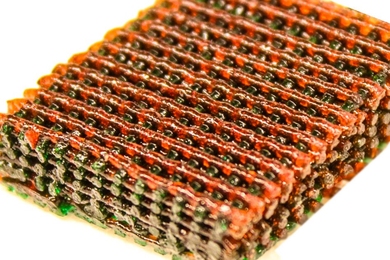
Stretchable, biocompatible hydrogels with complex patterning could be used in tissue engineering.
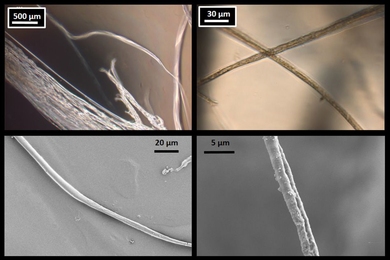
Simulations and experiments aim to improve on spiders in creating strong, resilient fibers.
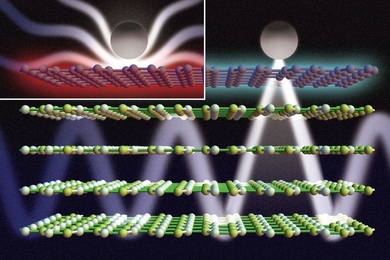
Researchers find a way of tuning light waves by pairing two exotic 2-D materials.

Assistant professors Aram Harrow, Yen-Jie Lee, and Tracy Slatyer will share $2.1 million in research support.
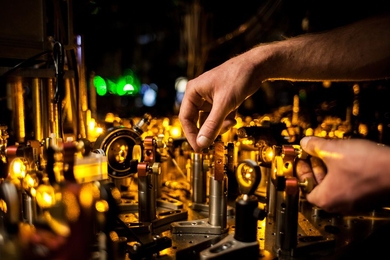
Instrument freezes and images 1,000 individual fermionic atoms at once.

Device can measure the distribution of tiny particles as they flow through a microfluidic channel.
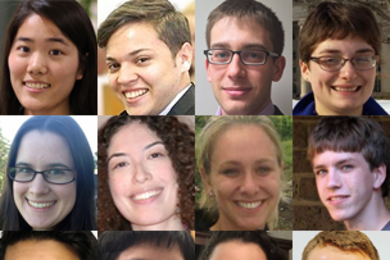
Highly qualified group of undergraduates brings prior lab experience, variety of interests, to pursue research opportunities in MIT labs.

Tiny device could be incorporated into “smart packaging” to improve food safety.