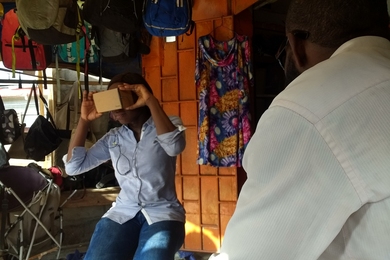
Caught between criminals and cops
Using virtual reality, doctoral candidate Andrew Miller gauges citizens' faith in law enforcement in the face of gang violence.
Using virtual reality, doctoral candidate Andrew Miller gauges citizens' faith in law enforcement in the face of gang violence.
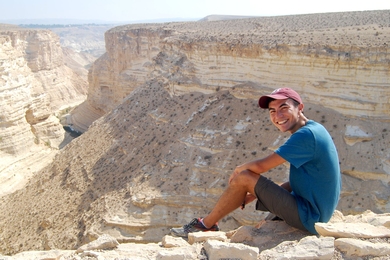
Arthur Samberg '62 donates $1 million to sustain the program for years to come.
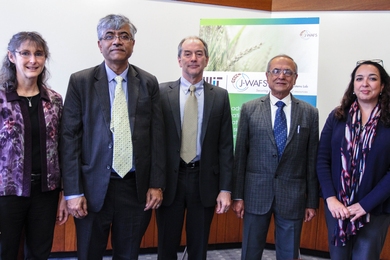
MIT-India, J-WAFS, and the Indian Institute of Technology Ropar launch fund to facilitate collaborations between faculty and scientists from MIT and ITT Ropar.
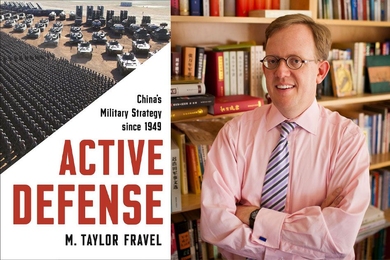
In new book, political scientist Taylor Fravel uncovers the modern history of Chinese military strategy.
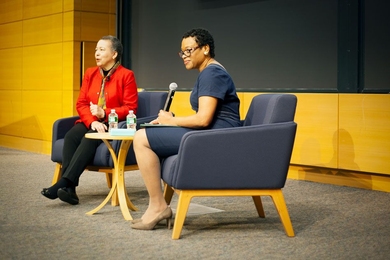
In MIT talk, Beverly Daniel Tatum urges direct discussion about racial issues at a “polarized” moment in U.S. history.
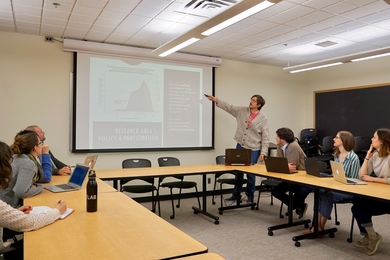
Presentation workshop for political science graduate students serves as training ground for research and professional skills.
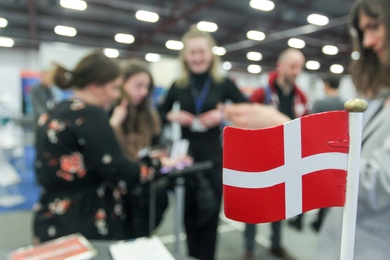
New MIT-Denmark program is poised to send its first students overseas for internships and research.
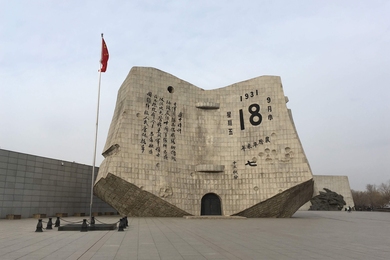
When responding to disputes with foreign powers, China does not speak with one voice, political science doctoral candidate Kacie Miura finds.
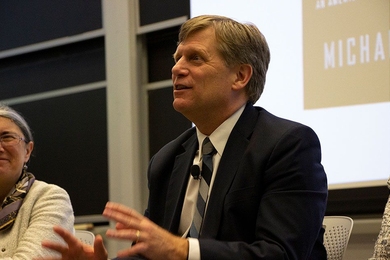
In MIT talk, Michael McFaul, former U.S. ambassador to Russia, explores tensions between the two countries.
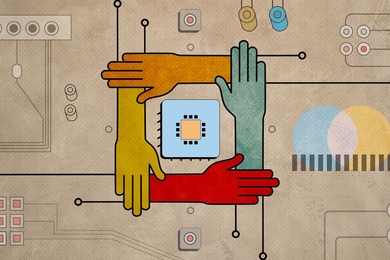
Faculty representing all five MIT schools offer views on the ethical and societal implications of new technologies.
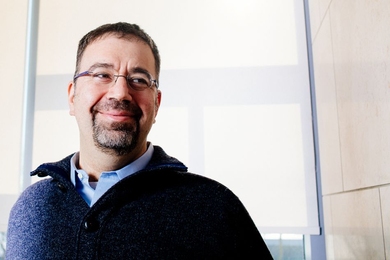
Researchers find vast gains in productivity after countries democratize.
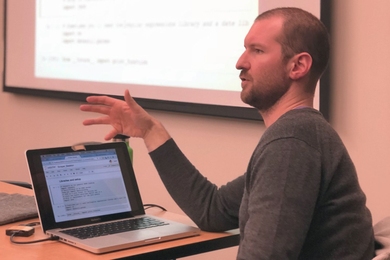
With his innovative method for analyzing language, political science student Andrew Halterman maps civilian deaths in Syria.
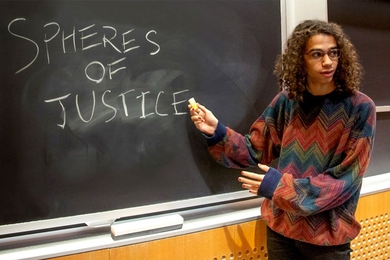
In Bernardo Zacka’s class 17.01, students explore human values and the many ways of imagining a just society.
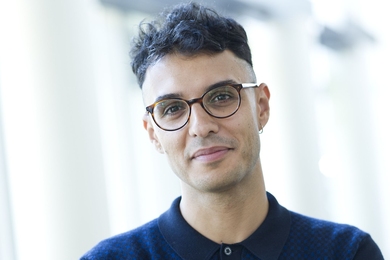
Embedded with street-level bureaucrats, political theorist Bernardo Zacka reveals the complex moral landscape civil servants must navigate.
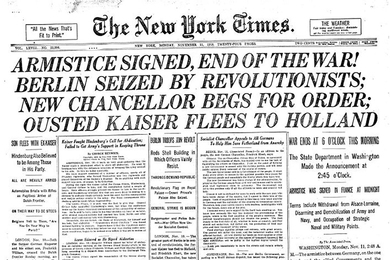
A century after its bitter end, the political science professor calls the Great War a wellspring of the 20th century's horrors and tragedies.