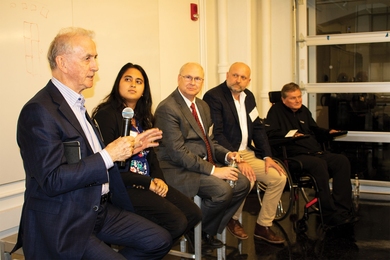
From 3D-printed limbs to semi-autonomous race cars
Envisioning the future (and challenges) of designing affordable technology-enabled mobility devices.
Envisioning the future (and challenges) of designing affordable technology-enabled mobility devices.

MIT and University of Colorado researchers are collaborating on an experiment to be sent to the International Space Station.
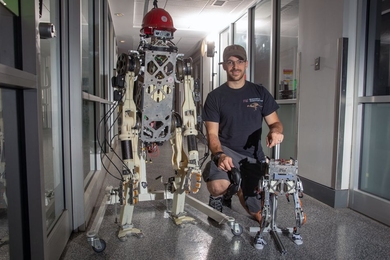
New control system may enable humanoid robots to do heavy lifting and other physically demanding tasks.
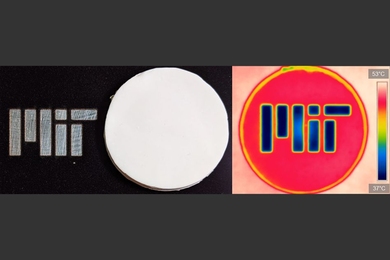
Passive device relies on a layer of material that blocks incoming sunlight but lets heat radiate away.
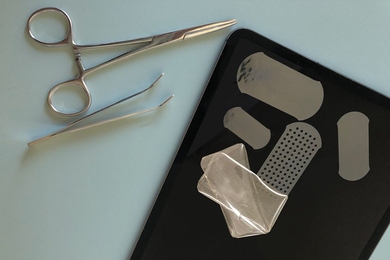
New adhesive that binds wet surfaces within seconds could be used to heal wounds or implant medical devices.
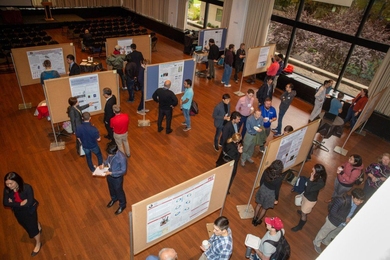
At the sixth annual Mechanical Engineering Research Exhibition, graduate students and postdocs sharpen their communication and presentation skills.
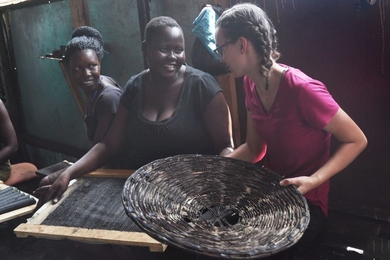
Mechanical engineering students in MIT D-Lab are working with collaborators in Uganda on a solution for the health hazards associated with wood-burning stoves.
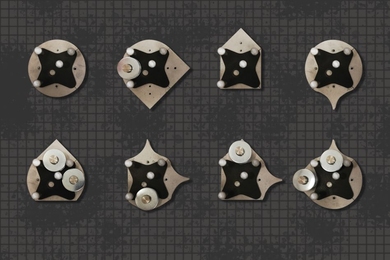
Systems “learn” from novel dataset that captures how pushed objects move, to improve their physical interactions with new objects.

Study shows tumors with softer, larger cells at their periphery are more likely to spread; may suggest new route for cancer therapy.
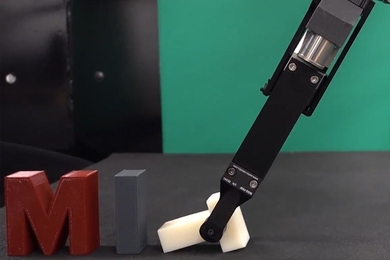
An algorithm speeds up the planning process robots use to adjust their grip on objects, for picking and sorting, or tool use.
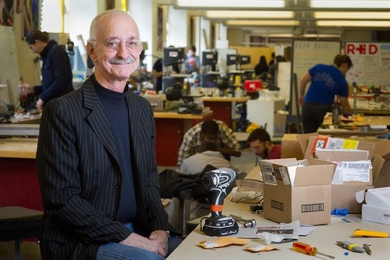
Beloved teacher and pioneer in hands-on engineering education developed design and robotics competitions at MIT, FIRST, and beyond, while promoting his concept of “gracious professionalism.”

New technique could enable assembly of circuit boards and displays with more minute components.
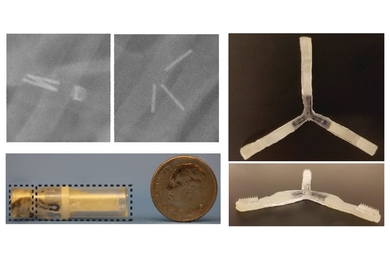
Coated pill carries microneedles that deliver insulin and other drugs to the lining of the small intestine.
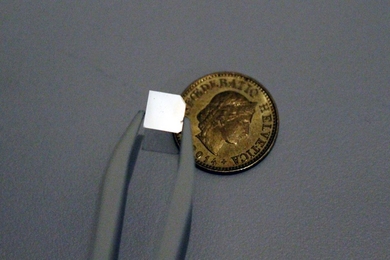
Studying a common material at room temperature, researchers bring quantum behavior “closer to our daily life.”

MIT engineers develop a model that predicts how the cornstarch-water mixture turns from liquid to solid, and back again.