Nanoscale work yields big results
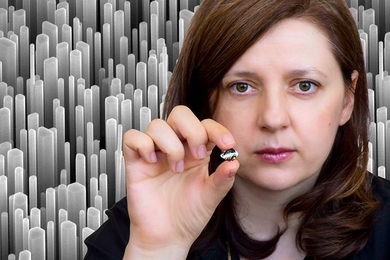
Silvija Gradečak’s nanoscale work creates big-scale results that could transform energy production, storage, and lighting.
Silvija Gradečak’s nanoscale work creates big-scale results that could transform energy production, storage, and lighting.

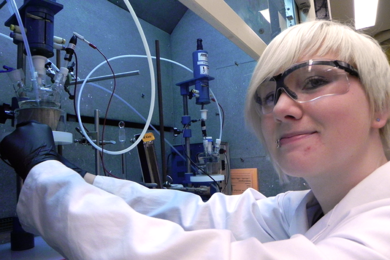
Metallurgist pushes grain boundaries: Nanostructured metal alloys deliver tougher materials, lower costs, and safer outcomes.

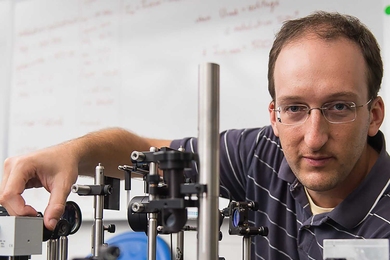
Engineer studies materials' role in manufacturing and infrastructure.
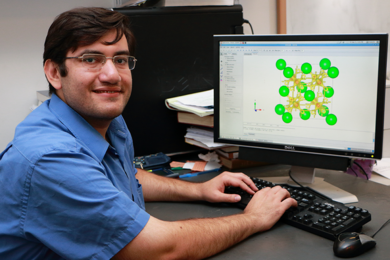
MIT postdoctoral associate Mostafa Youssef and graduate student Aravind Krishnamoorthy tackle different aspects of the problem at atomic scale.
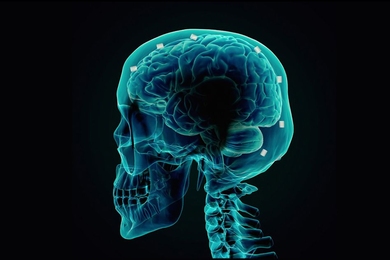
New approach could kill tumor cells in the brain more effectively and avoid side effects.

Sales at the annual Great Glass Pumpkin Patch cover the yearly expenses of the MIT Glass Lab.
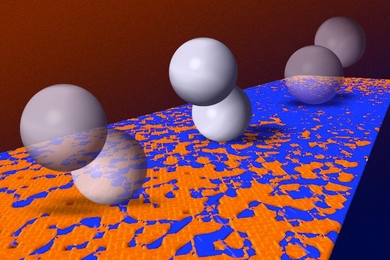
Technology could provide a way to deliver probes or drugs to cell structures without outside guidance.
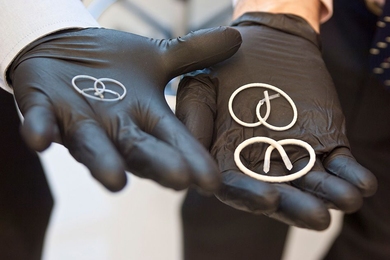
Novel device that stays in the bladder and slowly releases drugs sells to pharmaceutical giant.
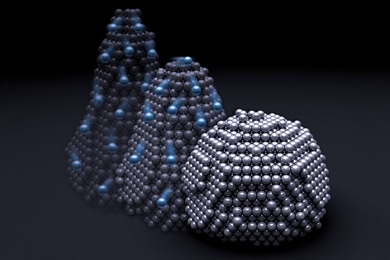
Unexpected finding shows tiny particles keep their internal crystal structure while flexing like droplets.
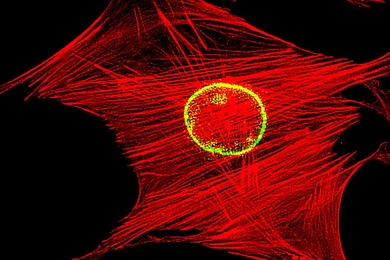
New technique allows scientists to identify populations of rare stem cells in bone marrow.
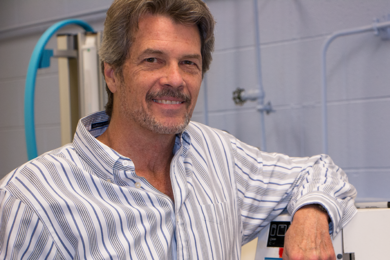
Materials scientist Mike Rubner’s collaboration with chemical engineer Robert Cohen yields anti-fog coatings, synthetic "backpacks" for living cells.
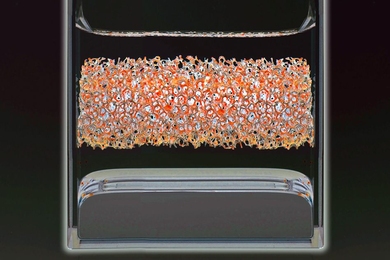
Cheaper, longer-lasting materials could enable batteries that make wind and solar energy more competitive.
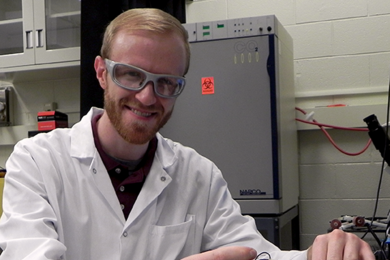
Customized arrays of iron oxide nanoparticles are possible based on their differing responses to alternating magnetic fields, MIT researchers report.