
Blood testing via sound waves may replace some tissue biopsies
Microfluidic device uses acoustics to quickly analyze blood for signatures of cancer and other diseases.
Microfluidic device uses acoustics to quickly analyze blood for signatures of cancer and other diseases.

Colorado forest study provides clearest-ever picture of gases released into the atmosphere and how they change.
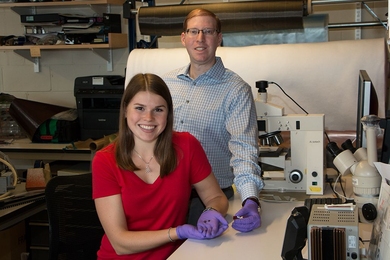
Carbon nanotubes lower the transformation temperature of glassy carbon, possibly aiding manufacturers, MIT researchers report.
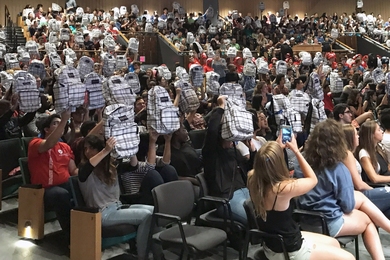
Members of MIT’s class of 2021 get a free backpack — and a glimpse at the future of “smart” fabrics.
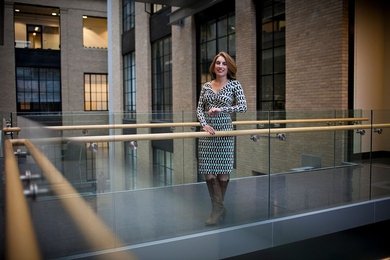
Engineer brings active interest in innovation to new role.
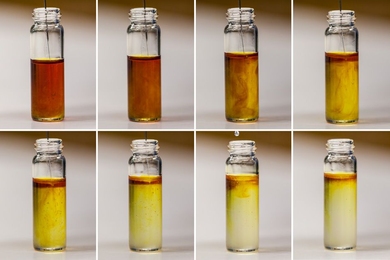
Study explains conflicting results from other experiments, may lead to batteries with more energy per pound.
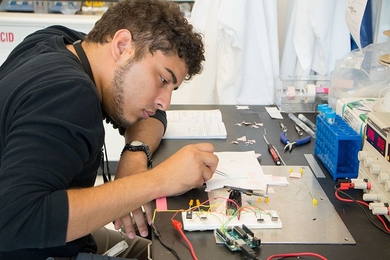
Summer Scholar Alejandro Aponte troubleshoots the design for an implantable pump that can deliver drugs to the brain.
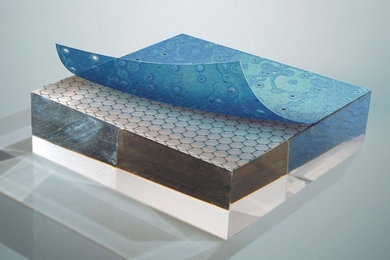
MIT researcher helps scientists and engineers hone their visual imagery.
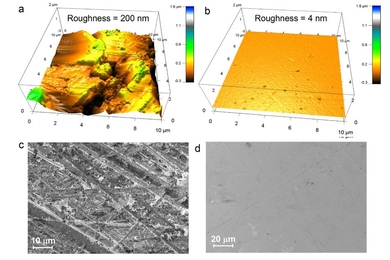
Smooth surfaces may prevent harmful deposits from working their way into a solid electrolyte.
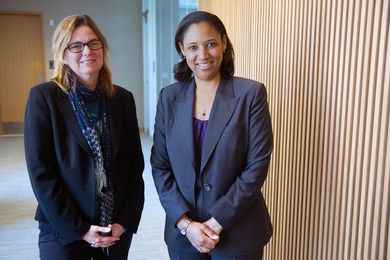
Engineers and co-directors of MITEI's Energy Bioscience Low-Carbon Energy Center discuss their vision for transforming the energy system.
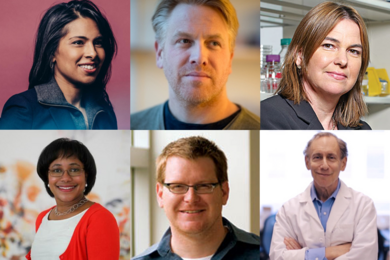
Marking its first anniversary, the Koch Institute’s Marble Center for Cancer Nanomedicine goes full steam ahead.
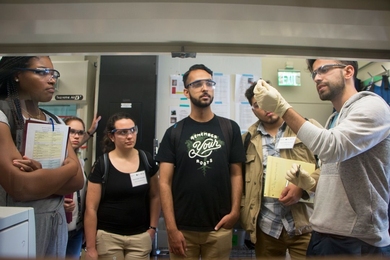
Summer Scholars in materials science and engineering are tackling projects ranging from magnetic thin films to catalysts for energy.

Researchers develop an electrically-driven process to separate commercially important metals from sulfide minerals in one step without harmful byproducts.
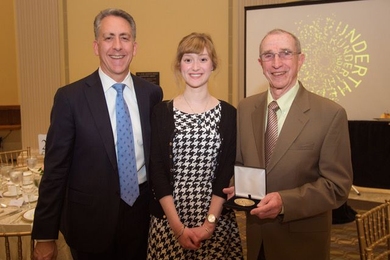
Awards given to outstanding faculty, undergraduates, and graduate students.
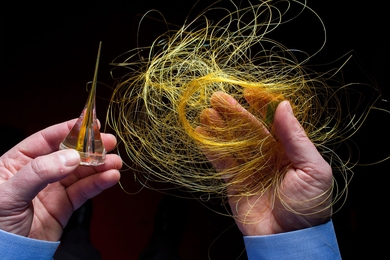
New AFFOA facility represents a significant MIT investment in advanced manufacturing innovation.