
Thermodynamic insights could lead to better catalysts
Experiments and analyses show how electrons and protons get together on an electrode surface.
Experiments and analyses show how electrons and protons get together on an electrode surface.
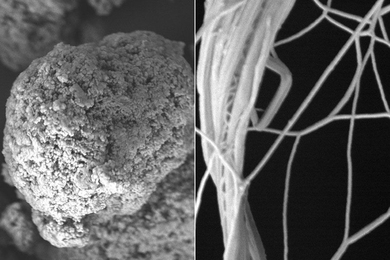
Material may replace many metals as lightweight, flexible heat dissipators in cars, refrigerators, and electronics.
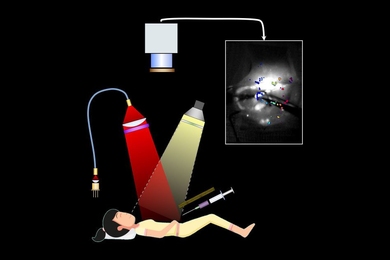
More effective surgery could boost survival rates for ovarian cancer.
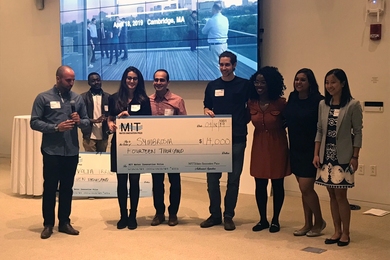
Student-led startups Symbrosia and SiPure each awarded a $14,000 grand prize.
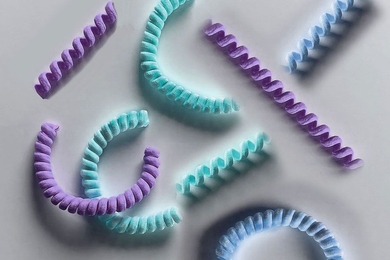
Twisted fibers coated with living cells could assist healing of injured muscles and tendons.
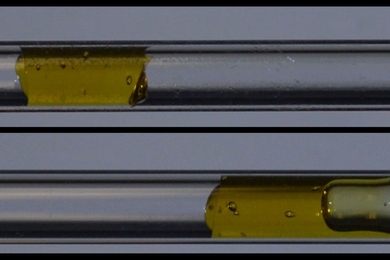
Engineered surface treatment developed at MIT can reduce waste and improve efficiency in many processes.
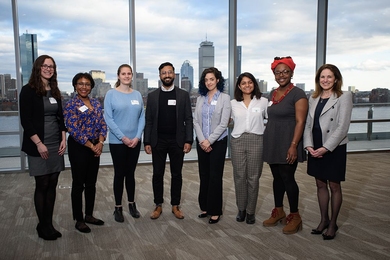
Violence Prevention and Response and Title IX and Bias Response Office celebrate individuals and departments for standing up to sexual harassment and assault.

Novel batteries are the first to use water-splitting technology at their core.
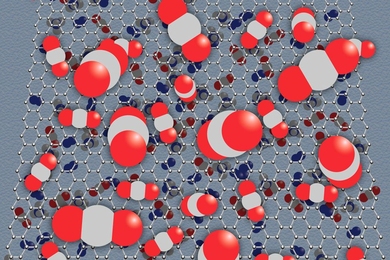
Novel membrane material removes more impurities, without the need for toxic solvents.

Polymers could be designed to reflect or trap heat, regardless of hue.

MIT students connect with premier Indian institutes, hospitals, and students to collaborate on “humanistic” assistive design.
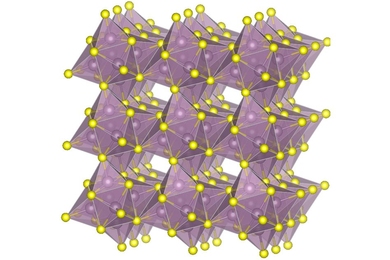
“Hybrid” cathodes could provide more power for a given weight and volume.
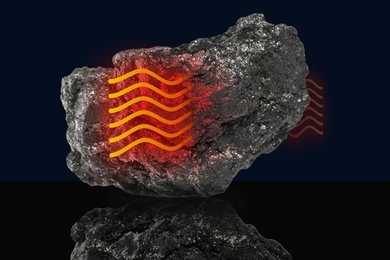
At relatively balmy temperatures, heat behaves like sound when moving through graphite, study reports.
Graduate engineering program is No. 1 in the nation; MIT Sloan is No. 3.
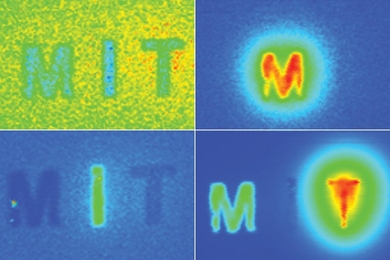
Near-infrared technology pinpoints fluorescent probes deep within living tissue; may be used to detect cancer earlier.