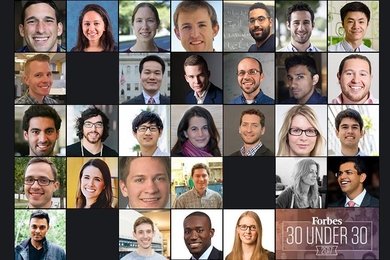
At least 30 from MIT named to 2017 Forbes 30 Under 30 lists
Students, faculty, staff, and alumni honored in "the most definitive gathering of today’s leading young change-makers and innovators."
Students, faculty, staff, and alumni honored in "the most definitive gathering of today’s leading young change-makers and innovators."
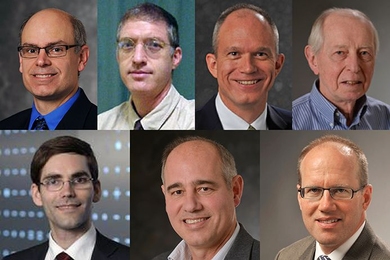
Five Lincoln Laboratory staff members and two others from MIT honored for the advancement of engineering, science, and technology.
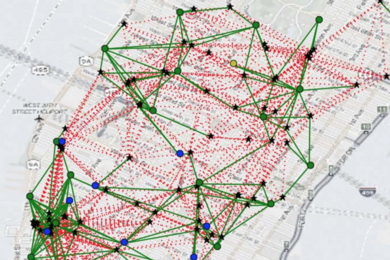
Study shows carpooling apps could reduce congestion by a factor of three while still serving the same number of people.
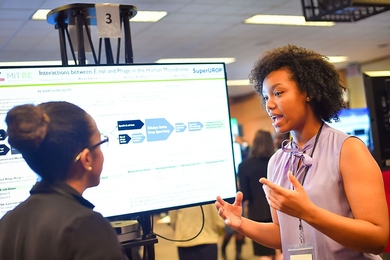
Engineering undergrads showcase their research after one semester of yearlong SuperUROP projects.
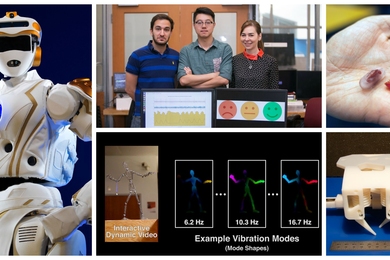
A look at 16 of the coolest things that happened at the Computer Science and Artificial Intelligence Laboratory in 2016.

Preserving variety in subsets of unmanageably large data sets should aid machine learning.

Technique shrinks data sets while preserving their fundamental mathematical relationships.

Engineering grad student Keertan Kini is working to strengthen the intersection of policy and technology.
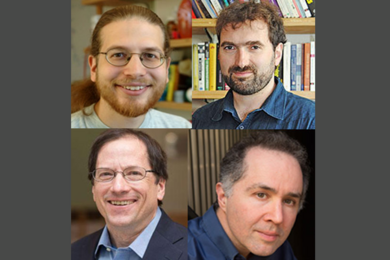
Association for Computer Machinery cites Erik Demaine, Fredo Durand, William Freeman, and Daniel Jackson for having "provided key knowledge" to computing.
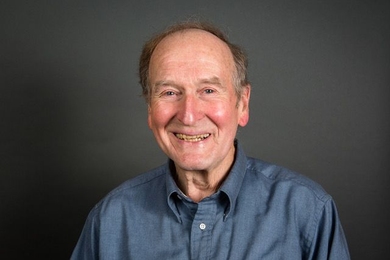
Professor emeritus of electrical engineering recognized for contributions to field of nanofabrication.
Cloud-based platform assists in managing, sharing data facilitates research.
System correlates recorded speech with images, could lead to fully automated speech recognition.
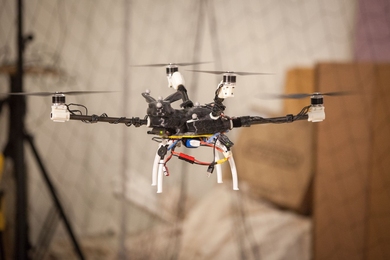
CSAIL system lets users design and fabricate drones with a wide range of shapes and structures.
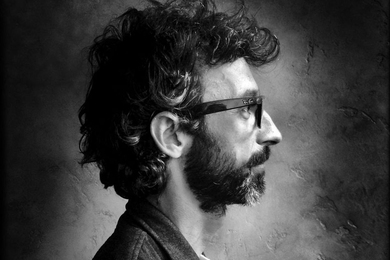
Visiting Artist Karim Ben Khelifa creates immersive experiences using virtual and augmented reality to humanize soldiers in global conflicts.
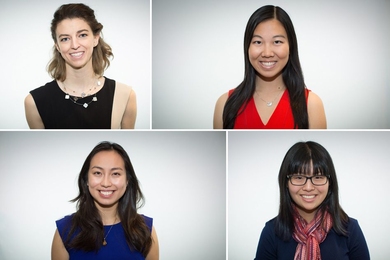
Alix de Monts, Lisa Ho, Anita Liu, and Melody Liu will study for one year at Tsinghua University in China.