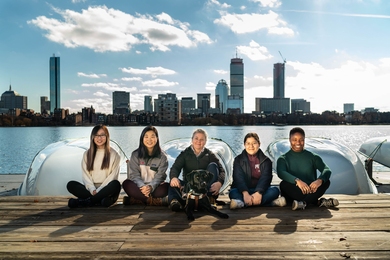
Student group helps blind boater sail independently
Four seniors in the Principles and Practices of Assistive Technology program designed an audible device to help an MIT employee navigate on the water.
Four seniors in the Principles and Practices of Assistive Technology program designed an audible device to help an MIT employee navigate on the water.
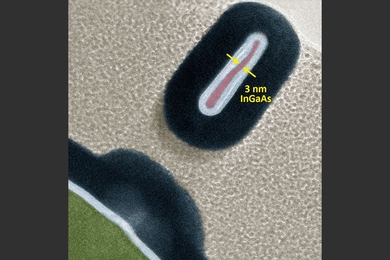
Process that modifies semiconductor material atom by atom could enable higher-performance electronics.
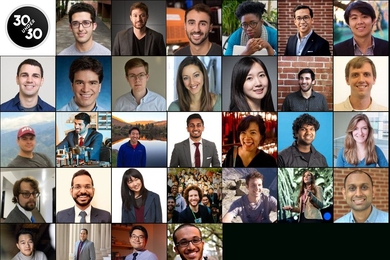
Forbes calls its 2019 30 Under 30 honorees “a collection of bold risk-takers who are putting a new twist on the old tools of the trade.”
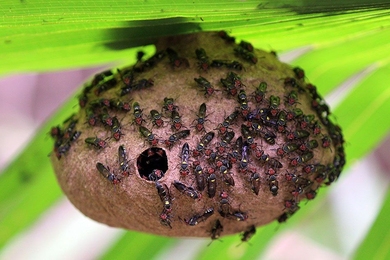
Altered peptides from a South American wasp’s venom can kill bacteria but are nontoxic to human cells.
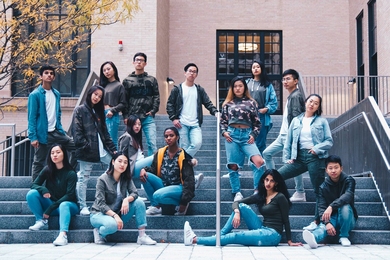
Competitive hip hop dance is alive and well at MIT, providing students with an outlet for good, clean fun.
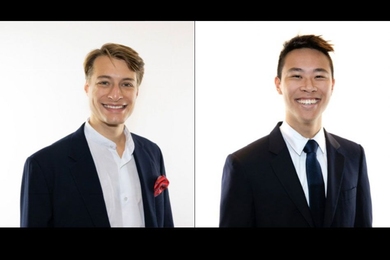
Pablo Ducru and Michael Shum ’17, MEng ’18 will study at Tsinghua University in Beijing.
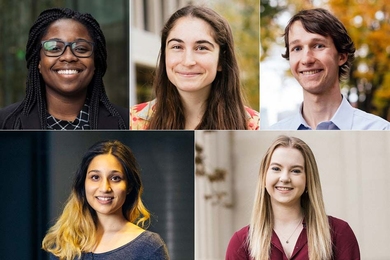
Radha Mastandrea, Katie O’Nell, Anna Sappington, Kyle Swanson, and Crystal Winston will begin graduate studies in the UK next fall.
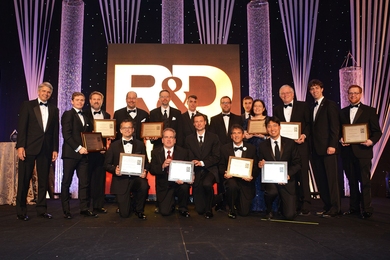
Technologies ranging from a hurricane-evacuation decision platform to algorithms that compare DNA samples honored as some of the world's best inventions of 2018.
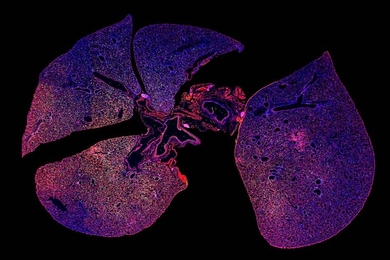
Results could also indicate whether antibiotics have successfully treated the infection.

CSAIL's new RePaint system aims to faithfully recreate your favorite paintings using deep learning and 3-D printing.

MIT AI Ethics Reading Group was founded by students who saw firsthand how technology developed with good intentions could be problematic.
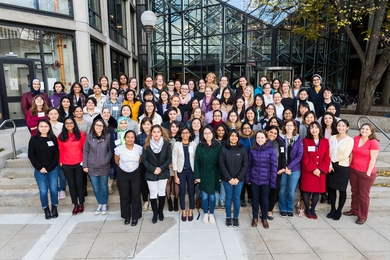
In a return to MIT, 2018 workshop drew 76 of the world’s top early-career women in electrical engineering and computer science to explore life in academia.
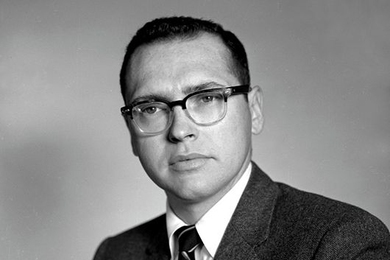
Long-time EECS professor and Lincoln Laboratory division head is best known for research on transistors, lasers, and masers.

MIT students from the fields of bioengineering, business, computer science, and energy science receive the prestigious awards.
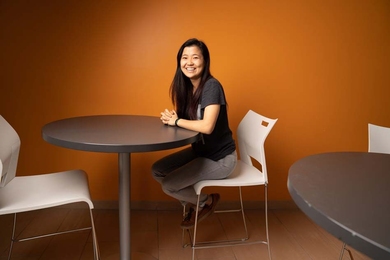
Senior Jessy Lin, a double major in EECS and philosophy, is programming for social good.