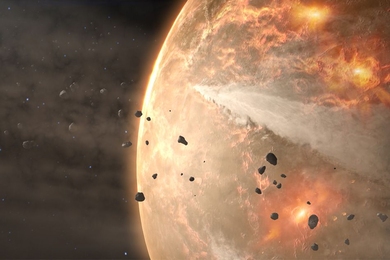
Losing air
New study finds a barrage of small impacts likely erased much of the Earth’s primordial atmosphere.
New study finds a barrage of small impacts likely erased much of the Earth’s primordial atmosphere.
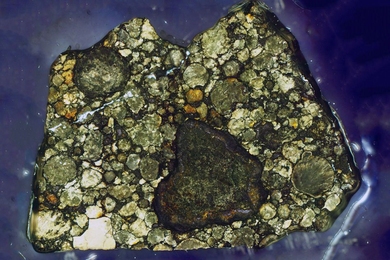
New study finds that a strong magnetic field whipped the early solar system into shape.
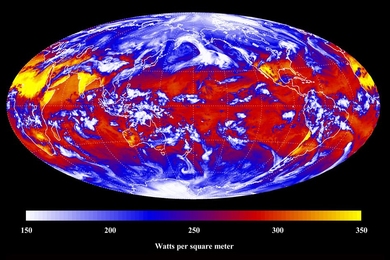
Researchers show that a canonical view of global warming tells only half the story.
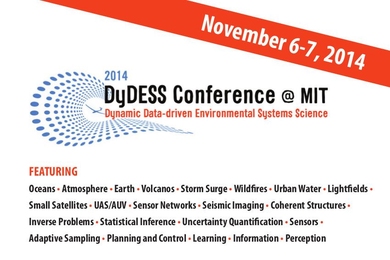
DyDESS 2014 will unite scientists and engineers around Earth's systems science and engineering challenges.
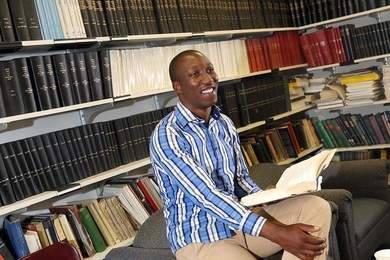
Jimmy Gasore is working on Africa’s first high-frequency climate observatory in his native Rwanda.
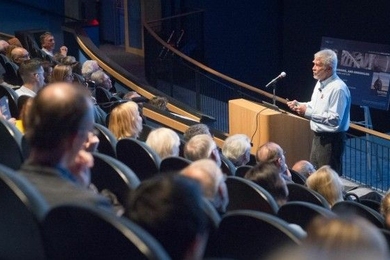
University of Colorado at Boulder professor presented “Big Cats, Panamá, and Armadillos: A Story of Climate and Life” at the New England Aquarium.
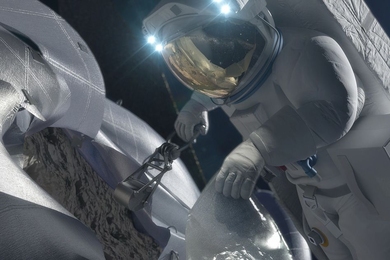
Better options available in thousands of near-Earth asteroids, expert says.
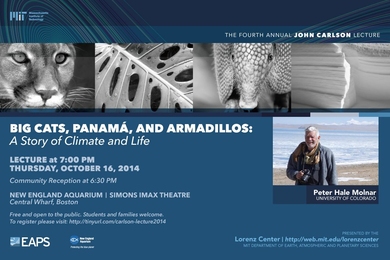
Geologist and 2014 Crafoord Prize-winner will deliver the 4th annual John Carlson Lecture.
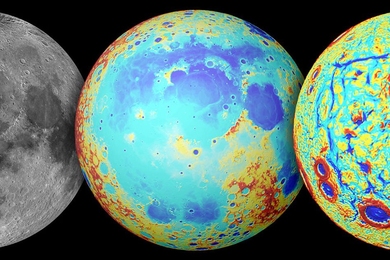
MIT researchers find that a volcanic plume, not an asteroid, likely created the moon’s largest basin.

Some 70 MIT students, researchers, and alumni marched in the largest climate rally in history.
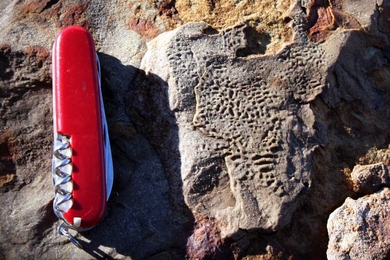
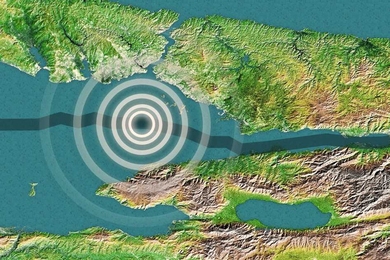
After tracking seismic shifts, researchers say a major quake may occur off the coast of Istanbul.
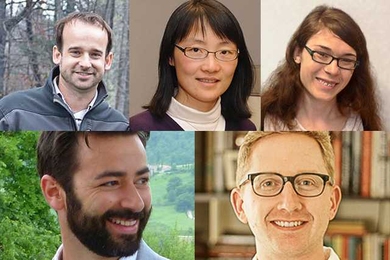
New faculty members will join the departments of Chemistry, Mathematics, and Earth, Atmospheric and Planetary Sciences.
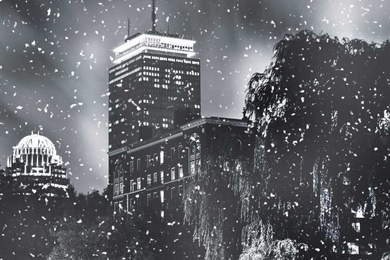
Study finds big snowstorms will still occur in the Northern Hemisphere following global warming.
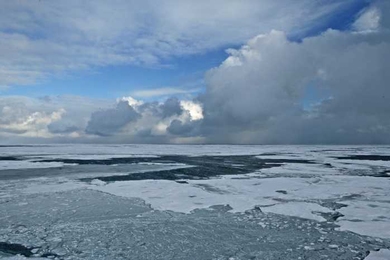
According to MIT researchers, ocean circulation explains why the Arctic feels the effects of global warming much more than the Antarctic.